Museum / Rooms / History of money
Room · 7 chapters · 100 lives
History of money
From cattle to paper money and everything in between
What is money?
Money can be defined as any permanent commodity generally accepted as a medium of exchange and measure of value. Throughout the history when most of the population was illiterate money was often used for political, social, religious and advertising purposes.
Before the invention of classic coins almost all societies in history used a kind of proto-money – the objects whose value was determined by their inner features or subjective criteria such as attractiveness, beauty, availability and rarity.
Commodity as money
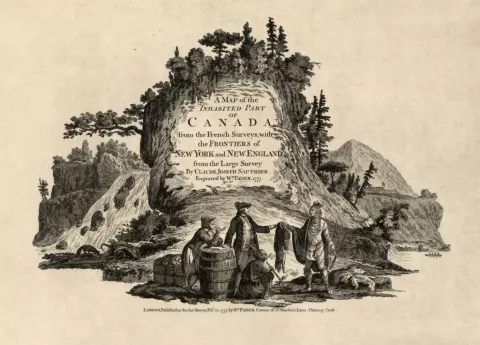
Commodities important for human existence such as animals, foods and clothes were the first object used as money starting around 6000 BC, and their use in some parts of the world survived up to the 20th century. Cattle, salt, rice, cacao beans, tea, beer, silk and cotton were the most common goods used as money. Testimony to the importance that they had in history remained preserved in today’s language. The modern monetary unit of India, the “rupee” has its origin in the Sanskrit word for cattle, “rupa”. The usage of the word “bucks” for the money derived from the practice of early Americans who traded animal skins, including deer and elk bucks.
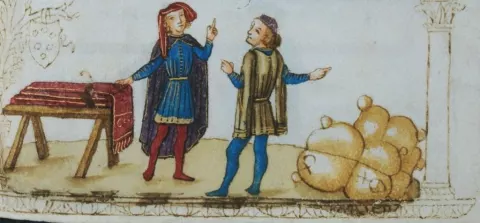
Two merchants negotiate terms to barter wool for cloth Detail from an illuminated manuscript version of Filippo Calandri’s Trattato di Arithmetica, a treatise originally printed in Florence in 1491.
The Latin word “salarium”, meaning “salt money” emerged as a term for “salary” from the occasional Roman practice of giving salt as wage to the Roman soldiers and officials.
Symbolic currencies
As time passed, the people began to use as proto-money the objects whose value was of more aesthetic and symbolic nature. Although at various times and places in history a wide array of commodities served as money several are particularly interesting. Feathers were used as money on some islands in the Pacific Ocean, the ornamental metal jewelry called “manillas” was used in Western Africa, while cowrie shells were widely used as currency in China, India, Thailand and West Africa. However, the stone money (“rai”) of the Yap islands in the Pacific Ocean and “tambua” or whale teeth of Fiji represents a rather unusual currency.
Metal ingots
In search for commodity that would be more permanent and better suited for business affairs the people began to use metals in the form of metal ingots of different shapes and sizes. However, the metal ingots were not an ideal solution for business transactions as the main criterion of its worth was actually its weight. Before accepting an ingot as payment, the merchant needed to carry out a careful examination of its weigh, and more important, of its quality.
Coins
The first coins in history occurred almost simultaneously in two very remote parts of the world – in the ancient Greece around 650 BC and in ancient China around 500 BC. Gold, silver and bronze were three metals from which money was made throughout the history.
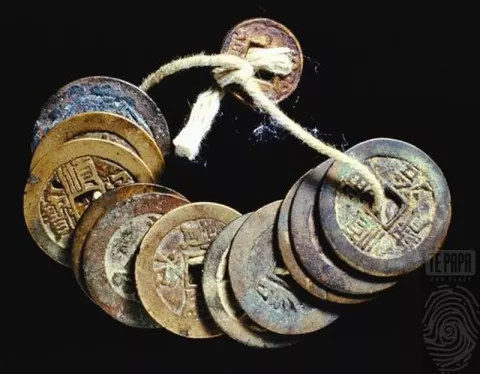
The Chinese used to string large quantities of their coins for easier transport or trade calling them “cash”.
The Lydian king Croesus (6th century BC) who invented coins is also credited with establishing the first bimetallic standard, in which 13 pieces of silver were the equivalent of one piece of gold.
Paper money
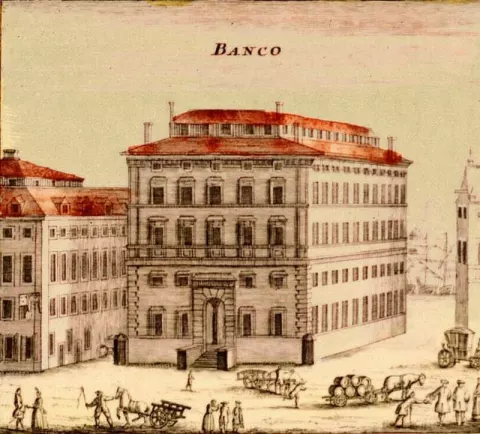
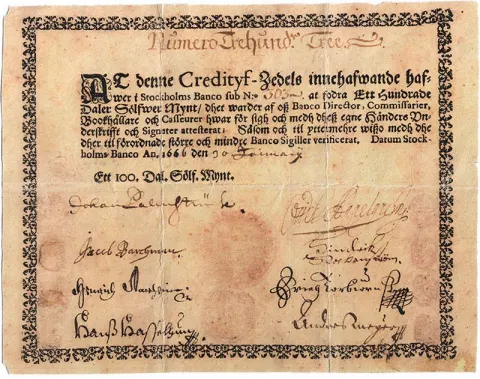
Tendencies to further simplify the business eventually led to the invention of paper money. The first paper money was invented in China in the 10th century but it took centuries before it was introduced in Europe in the 17th century. The honor of being the first issuer of paper money in Europe belongs to the Stockholms Banco, the precursor of the Swedish central bank.
Minting
Until the 17th century when the screw press became standardly used the European coins were produced manually in mints. The Industrial Revolution brought a plethora of various minting machinery, first powered by steam and later with electricity. In contrast, the Chinese and other Far Eastern countries didn’t minted their coins, but poured molten metal into molds.
Forgery
The history of counterfeiting is as old as history of money. One of the earliest methods of forgery was plating, casting and “multiplying the coin”. The best ways to detect forged coins were weighing, inspecting of thickness and diameter of the coin, and by cutting the coin to inspect its material.
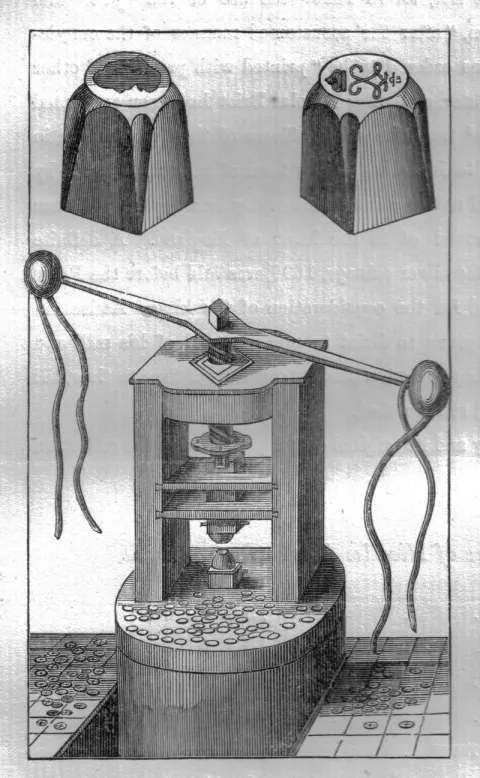
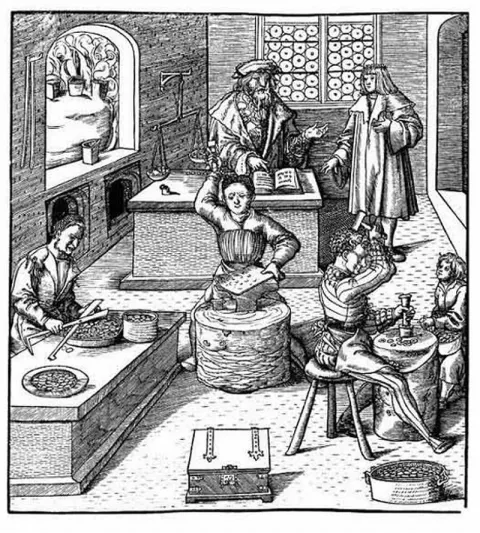
A mill for the production of 'milled' coins with both coin dies illustrated.
Chapters
- Barter trade – the oldest form of commerce
- Ingots – the first form of metal money
- Invention of coinage
- Minting and forgery
- Expansion of money
- Paper money
- Commodity money
Barter trade – the oldest form of commerce
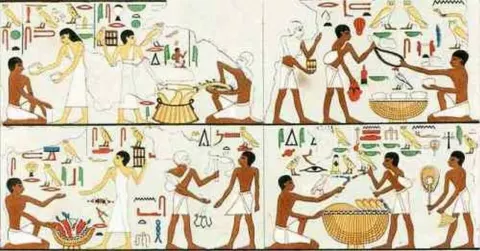
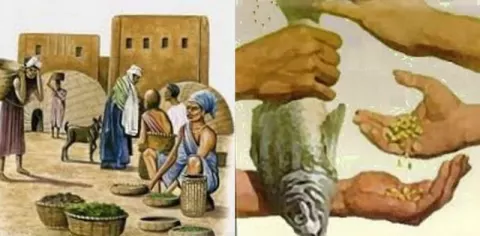
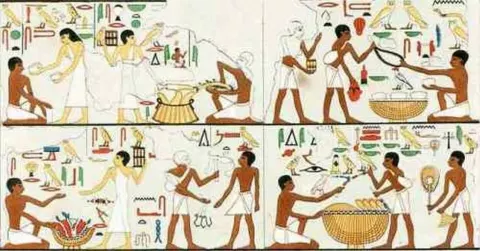
Barter means exchange of goods or services for other goods or services. In the times preceding the invention and use of classical money, people had relied on barter exchange in order to meet their needs for certain goods. Therefore, barter might be considered as the oldest form of commerce. Although it is regarded as a feature of more traditional societies, its usage was present through the entire history of human kind, particularly in those historical periods labeled by the shortages of metal coins.
The procedure was apparently very simple. People who had surplus of specific items or services would exchange them with other for the things they needed. But, in reality this practice was more intricate then it seems. First, it was necessary to find someone who needed what you could offer, and who at the same time, should have exactly what you needed. Second, the exchanged commodity supposed to be of equal value. This conglomeration of circumstances economists calls a double coincidence of wants.
Since this was time consuming and not always efficient undertaking, over time people in different parts of the world began to apply conceptual meaning of money for some objects in order to facilitate trade. From that came the conception of money as any permanent commodity that is generally accepted as a medium of exchange and a measure of value.
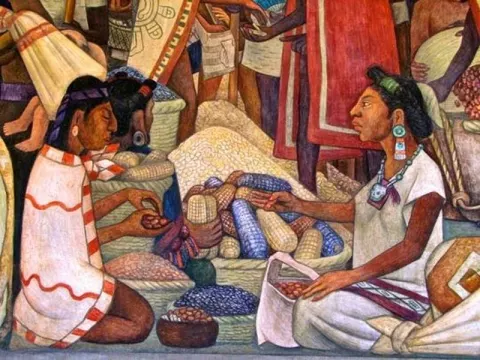
Two Mexica barter over maize (corn), using cacao beans as money. Detail from the Diego Rivera murals at the National Palace.
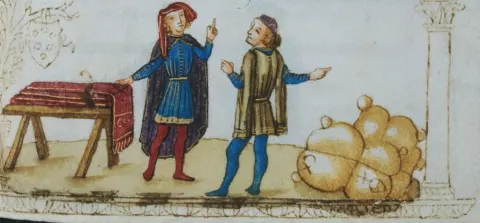
Two merchants negotiate terms to barter wool for cloth Detail from an illuminated manuscript version of Filippo Calandri’s Trattato di Arithmetica, a treatise originally printed in Florence in 1491.
Two merchants negotiate terms to barter wool for cloth Detail from an illuminated manuscript version of Filippo Calandri’s Trattato di Arithmetica, a treatise originally printed in Florence in 1491.
Ingots – the first form of metal money
This first money had two main disadvantages – mainly it did not last a long time, and it was inconvenient for transport. Therefore began a search for more adequate objects that would be more endurable and convenient for long journeys. Metal is soon recognized as the required item.
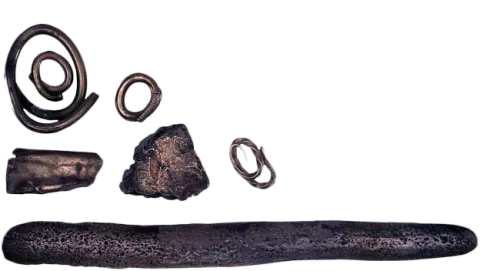
Beginning in Mesopotamia and Egypt around 2500 BC, gold and silver began to be used as currency in the form of metal bars or scraps of wire. They represented temporary monetary solution and transition phase from bartering to use of coinage. From “Fertile Crescent” the idea of using metal had spread to the rest of the ancient world.
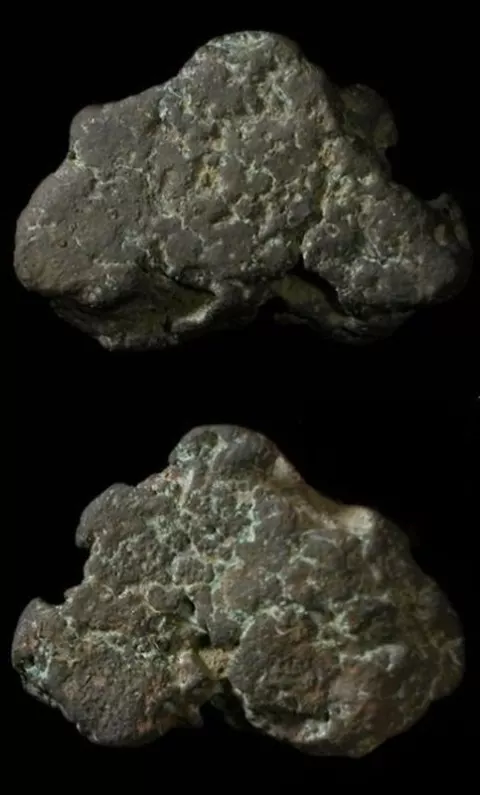
Aes rude , unworked lumps of bronze used both as primitive ingots and as primitive coins.
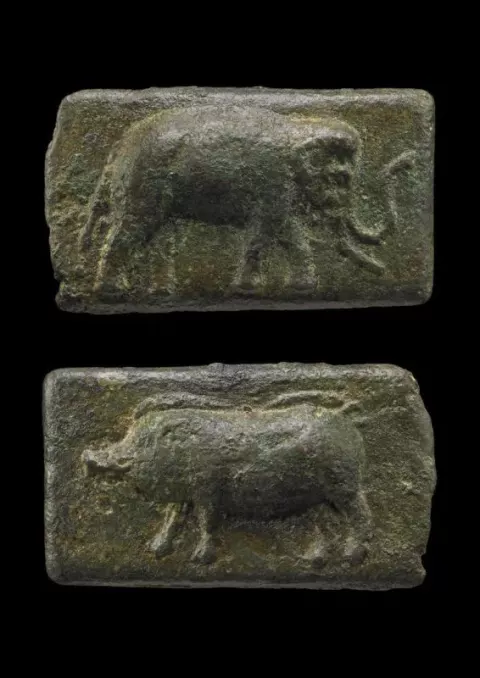
The ancient Romans, for example, before introducing the true coinage used unworked lumps made of bronze, “aes rude” (lat. “rough bronze”) and more advanced form “aes signatum” which carried the seal as warranty of its weight and quality. The ancient Greeks, in contrast, relied on silver ingots or iron bars.
Ingots were of different size and shape, and the main criterion of its worth was actually its weight. Before accepting an ingot as payment, the merchant needed to carry out a careful examination of its weigh, and more important, of its quality. Despite the best efforts, however, it was very difficult to determine if the ingot made of gold or silver was mixed with less valuable metals. The invention of stamped metal coins would solve that problem.
Aes signatum were cast lumps of bronze of measured quality and weight, marked with a government stamp. They were in use until the mid-3rd century BC.
Invention of coinage
The idea of coinage, interestingly, occurred almost at the same time in two very remote parts of the world – in the ancient Greece around 650 BC and in China around 500 BC.
The story of Croesus
Croesus was the King of Lydian realm in western Asia Minor who ruled in 6th century BC. He was renowned for his great wealth, and the expression “as rich as Croesus”, originated in reference to him.
Croesus enormous wealth, allegedly, came from the sands of the River Pactolus in which the legendary King Midas washed his hands to resolve the “Midas Touch”, a gift thanks to which everything he touched immediately would turn into gold. In this way, the legend says, the sands of the river in Lydian kingdom became rich with gold. During Croesus reign, the Lydian’s, according to a legend, started to mint the first coined money in history.
The fame and splendor of his capital at Sardis attracted many visitors. According to a legend, Solon, a famous lawgiver and the wisest man in Greece at the time was one of them. The vain king proudly displayed his treasures in front of Solon, and then asked him who the happiest man that he had met was. Solon replied to him: "I count no man happy until his death, for no man can know what the gods may have in store for him." Then, he named obscure and humble men that offended Croesus and led him to question the Solon’s wisdom.
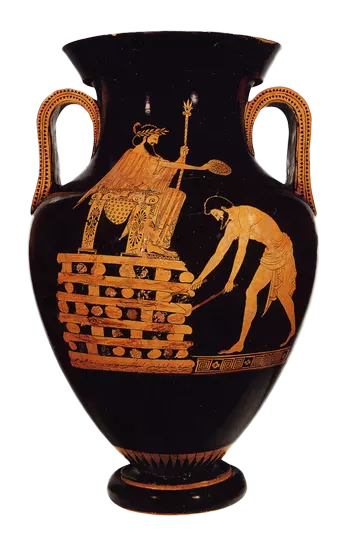
But, the King soon learned the truth of Solon’s words. Cyrus the Great, ruler of powerful Persian Empire soon threatened freedom of the Lydian kingdom. Croesus sent magnificent offerings to Delphi and consulted the great oracle of Apollo for advice should he confront the Persians. The oracles provided an answer with characteristic ambiguity: "If Croesus goes to war he will destroy a great empire." This would become one of the most famous oracular statements in history. Croesus, pleased with what he heard, attacked the Persians but he destroyed his own empire, not that of the Persians.
After the capital of Lydia was captured, Cyrus the Great ordered to build a great pyre for Croesus. As Croesus stood on the pyre, he finally remembered and understood the meaning of the Solon’s word – the happiness of mortals was inspired by gods and no one can be judged as happy until death. In despair, he called out three times the name of Solon. Cyrus became curious why Croesus said this word with such resignation. After he found out, Cyrus the Great felt compassion for the fallen king and decided to get him out of the pyre and spare his life.
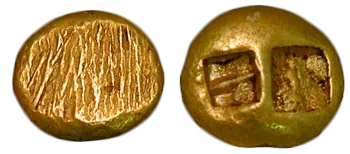
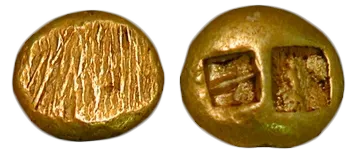
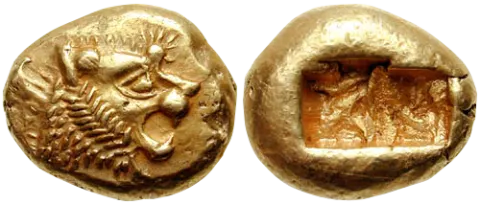
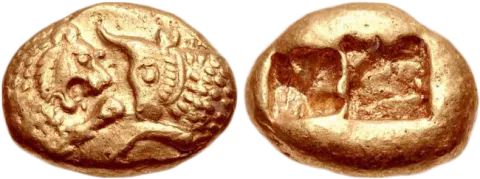
The origin of the first coins is associated with the Kingdom of Lydia, in present day Turkey. They were made of electrum, a natural mixture of gold and silver that could be found naturally in their local rivers.
These first coins took different, not-uniformed look. Since they had no inscription, the stamped image served instead as indicator as well as warrantor of coins weight or value, and quality. These innovations considerably facilitated and enhanced trade and business life of ancient men.
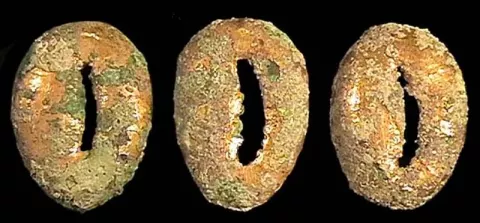
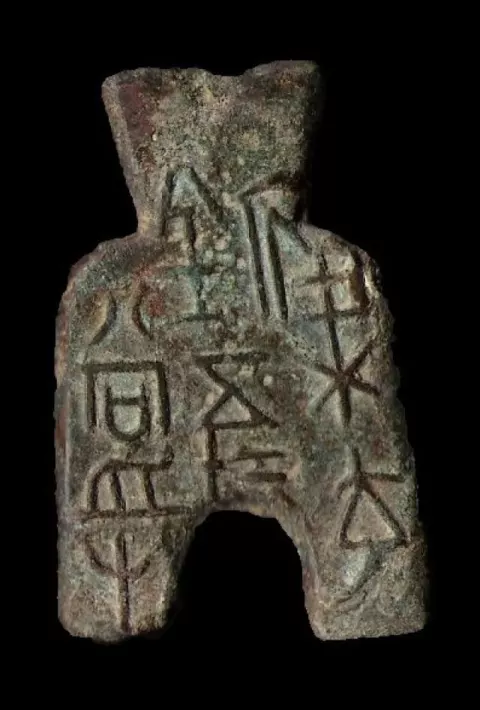
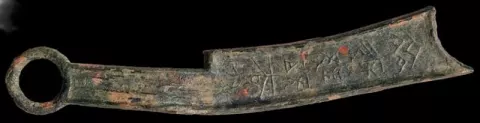
In contrast, the first Chinese coins considerably differ from the western understanding of money. They were made from bronze and took a shape of different tools, especially spades and knifes, that should be added hoes and already mentioned cowrie shells. For this reason they became known as “tool coins”. They represented a model that was followed in almost all the states of China during the later period of Zhou dynasty (1046-256 BC).
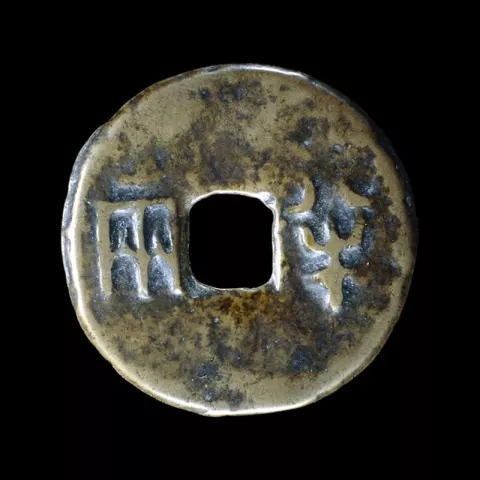
The more convenient, round form of coins was introduced in the late 3rd century BC by Shi Huangdi (r. 246-221 BC), the first emperor of unified China. Its main feature – a square hole in the middle – remained a characteristic shape for the next two millennia. It enabled that large quantities of these coins could be strung together for necessities of transport or trade.
There are two main interpretations of their form. Some claim that their shape is inspired with symbolism since ancient Chinese believed that the Earth was a square and Heaven was round, while the Emperor represented a direct link between heaven and earth. According to second theory, their shape is strictly functional and conditioned by manufacturing technique.
Minting and forgery
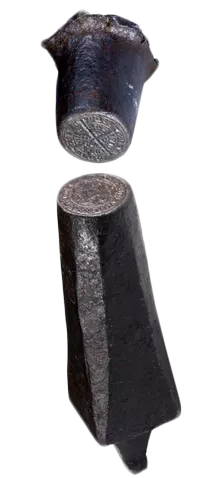
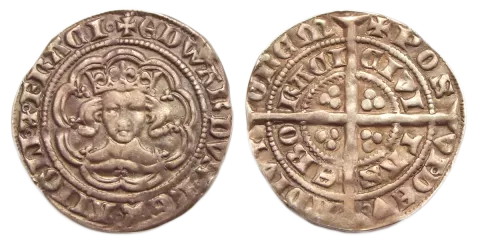
Until the seventeenth and eighteenth century coins were produced manually in mints. First the metal was hammered to desired thickness to make the blank coin. To make a coin, a mint worker struck a blank coin with an engraved die to produce image on metal coin. If coin was to be a double sided a blank coin was placed on an engraved die resting on anvil and from above was covered with another engraved die. The upper die was held by hand and then struck with a hammer resulting in double sided coin.
A mill for the production of 'milled' coins with both coin dies illustrated.
In about 1550 the German silversmith Marx Schwab invented coining with the screw press. Two heavy iron screws pressed the coin metal to the desired thickness. The preparation of blanks was aided by roller-mills with produced uniformly thick strips from which the blanks could be cut with metal punches. Henri II (r. 1547-1559), King of France, tried to introduce the new system by importing rolling mill, punch and screw press but his intention was obstructed by coin makers so the machines were used only for coins of small value, medals and tokens. From the mid-17th century coining with the screw press became a standard. The start of the Industrial Age (late 18th - early 19th century) brought a plethora of various minting machinery, first powered by steam and later with electricity.
In contrast, the Chinese applied quite different method in making coins. They didn’t minted coins, but poured molten metal into molds. Other Far Eastern countries, such as Japan, also adopted Chinese method of coin production.
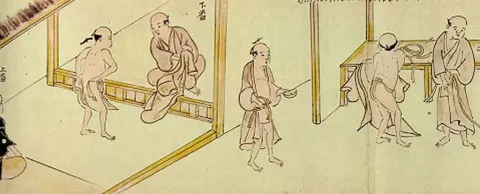
Picture of a worker coming to Sendai Ishinomaki mint in Japan in the year 1728. Worker had to change his clothing into work clothes provided by the proprietors of the mint. This was done between two inspectors seated in front and in back of the worker to prevent theft of coins.
Developments of coinage also lead to development of forgery. One of the earliest methods of forgery was plating - the process of covering a less valuable metal (such as lead, iron or copper) with gold or silver. Another way of forging coins was by casting. Molds were made by impression from a genuine coin, filled with molten metal, and once the metal cooled down and hardened it would form a cast imitation of the real coin. There was also a process known as “multiplying the coin”, basically one of the above mentioned processes where the valuable metal derived from a genuine coin. The best ways to detect forged coins were weighing, inspecting of thickness and diameter of the coin, and by cutting the coin to inspect its material.
Expansion of money
Due to practical reasons, use of coins rapidly spread all over the ancient world. Already developed trading network established by the ancient Greeks significantly contributed to the spread of money throughout the Mediterranean region. The coins enabled that the ancient business world function more efficiently.
The first metal used for making coins was electrum, an alloy of gold and silver, and in later period were used silver and gold. Silver dominated the first three centuries. For smaller business transactions the low-value bronze coins were issued.
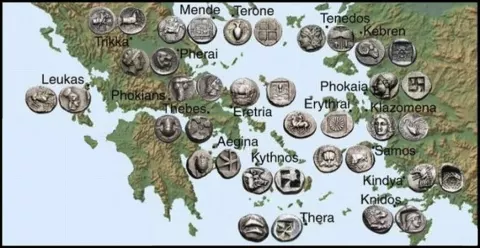
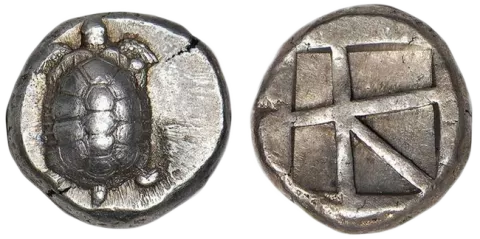
Greek cities minted coins with a characteristic design as a means of identification as well as of political independence.
Silver coin of Aegina depicting a turtle that dominated in trade in southern Greece and the islands in the 6th and early 5th century BC.
With the political hegemony of some powerful city-states also came the more standard system of money, weights and measures. One of the smaller Greek coins was called an “obol” and six silver obols had a value of one silver “drachma”.
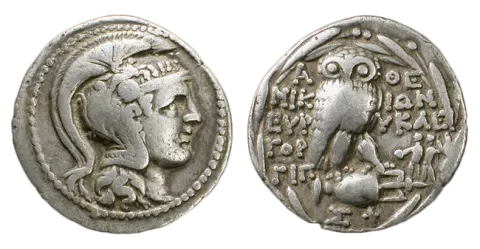
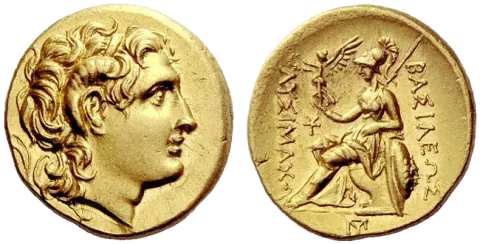
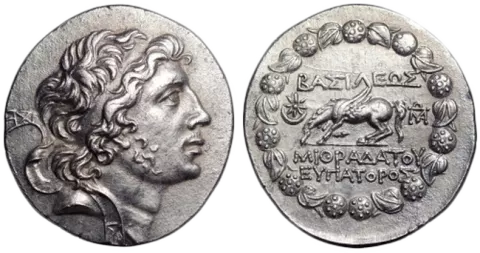
The Greeks also greatly influenced monetary system of later periods through design features such as portraits or certain emblems which originated in the Greek numismatic. In the design of coins, general rule was that a god or goddess closely related with the polis was depicted on one side, while a scene or an animal related with specific divine was placed on the other side. For example, the city of Athena issued money in honor of the city patron, the goddess Athena which was depicted on one side, and the owl and olive branch on the other side. During the reign of Alexander the Great (4th century BC), issued coins were standardized and in vast use throughout his Empire. In the Hellenistic period (4th century BC - 1st century BC) the rulers started the practice of minting coins with their portraits.
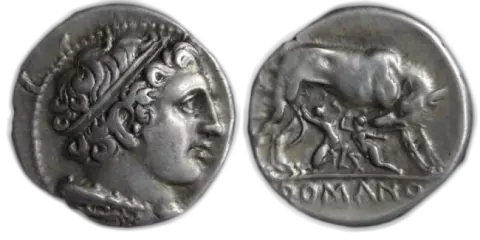
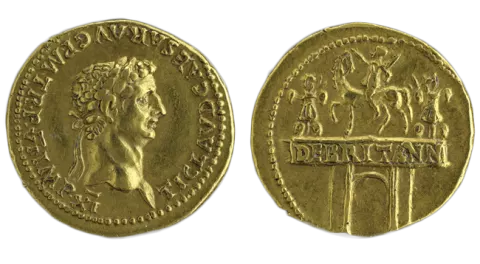
Through contact with Greek colonies in southern Italy and in Sicily, the ancient Romans adopted use of coins as form of money instead of previous bronze bars. The silver denarius, issued in 211 BC remained the basic currency for five centuries. Since the majority of inhabitants were illiterate, except economic purpose the money was also used as a mean of expressing political messages and for propaganda by Republican officials and emperors.
Much like the Greeks, the Romans minted silver coins depicting the glorious scenes from the Roman past. One of the most famous displays a she-wolf that nurses Romulus and Remus, the legendary founders of Rome.
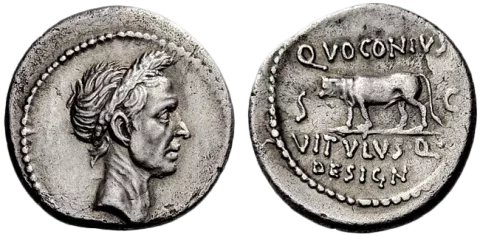
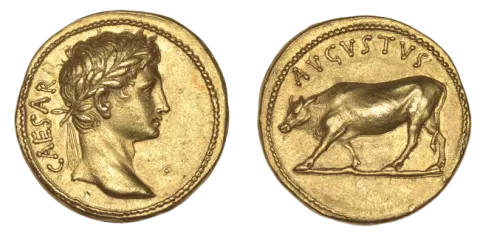
Coins depicting generals and rulers became characteristic for a period that comprises the end of Republic and beginning of Empire (1st century BC - 1st century AD) with Caesar began the practice of minting coins with portrait. Emperors customarily issued coins with their portraits on one side and scenes depicting their illustrious achievements or policies on the other.
The highly centralized monetary system created by the Romans survived the downfall of the Roman Empire in the 5th century and became the model for the states in the following period.
Expansion of money
Medieval money
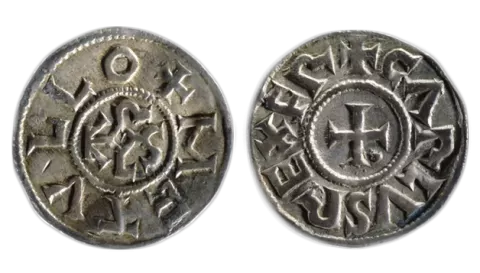
Early medieval Europe largely abandoned the production of coins following the fall of the Roman Empire and bartering became once again dominant form of exchange. In the 8th century silver coin known in Latin as the “denarius” and called a “denier” in French or “penny” in English is introduced by the French ruler, Pepin the Short (751 – 768). It represented the most common currency until the 13th and 14th century.
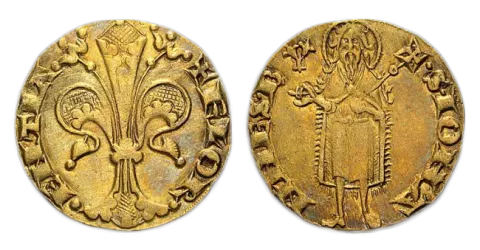
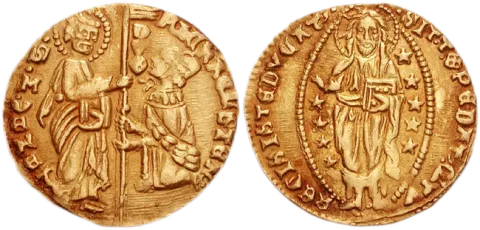
Following the economic resurgence that occurred in the 12th century, wealthy cities in northern Italy began to introduce large silver and gold denominations to encourage business. In Florence golden pieces called “florins” were produced in 1252, while the Venetian Republic issued its ducat in 1284.
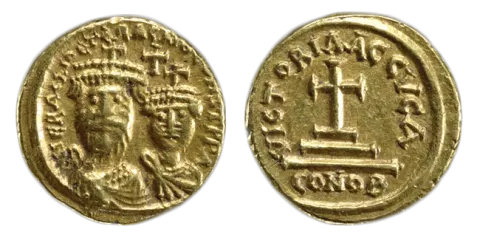
Eastern Roman Empire has outlived the western part for a thousand years. The currency of the Byzantine Empire was a gold coin called the “solidus” and represented the most important coin of the early Middle Ages.
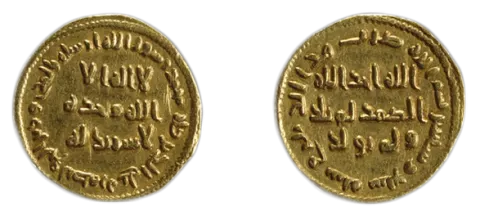
With the rise of Islamic Empire, its monetary policy was highly influenced by the Sasanian Persian and Byzantine tradition in the early period of development. Islamic monetary system imitated the Sasanian silver “drahm” (“dirham”) in Arabic, and the Byzantine gold solidus (“dinar”) and copper “follis” (“fuls”). From the age of the Caliph Abd-al-Malik (696 AD) religious inscriptions were displayed on the coins and will remain the characteristic of most subsequent Muslim coinage.
Paper money
A large amount of coins was difficult to handle in business transactions and that is the reason for developing of more practical solution – paper money.
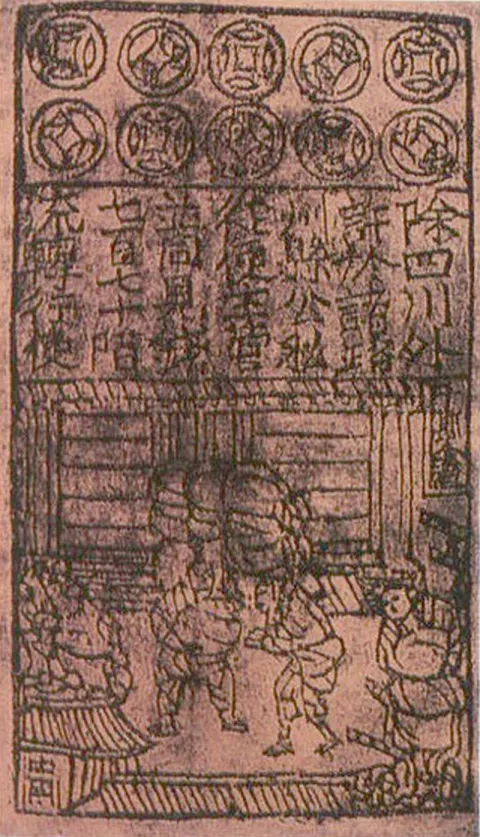
The first paper money was invented in China during the rule of Tang Dynasty (618-907). Since it was much lighter in comparison with metal coins, it was named “feiqian” or “flying money”. In order to facilitate business transactions, the Chinese merchants began with practice of leaving coins at confident persons in return for a paper certificate in the amount of money. But, this practice was in private sphere and did not represent the paper money in real sense of the word.
Starting with the Song dynasty (960-1279) began the interference of the government by establishing deposit shops where people were able to leave their coins and receive notes instead. In 1023 the government banned private issuing of money and took over the system. The result was issuing of the world's first real and government produced money called "jiaozi". Special factories were established at Chengdu, Hangzhou, Huizhou and Angi to produce paper money and using different fiber mixes in order to prevent counterfeiting.
Thanks to Marco Polo, description of the way in which bank notes were produced in the 13th century for the Chinese emperor in Beijing remains saved:
“They are made with as much authority and formality as if they were of pure gold or silver, for many officials who are deputed for this write their names on every note, placing there each one his mark, and when it is all done as it ought to be, the head of them deputed by the lord stains the seal entrusted to him with cinnabar and impresses it upon the note so that the pattern of the seal dipped in the cinnabar remains printed there, and then that money is authorized. And if anyone were to counterfeit it he would be punished with the last penalty to the third generation. And different marks are printed on them according to their future value. And this money is made in the city of Beijing by those who are deputed for this by the king, and not by others. And each year he has so great quantity and supply of them made in the city of Beijing that he would pay with it for all the treasure of the world, though it costs him nothing.”
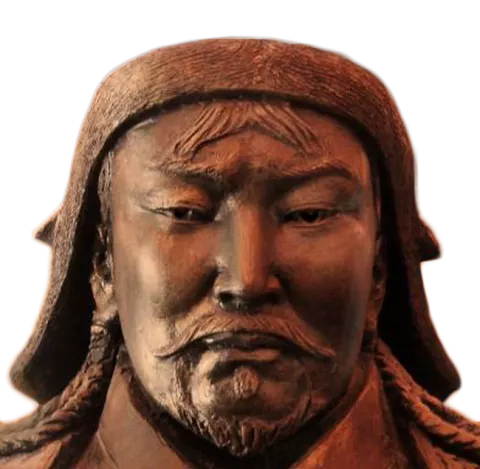
Through the mediation of the Mongol leader, Genghis Khan who in 13th century conquered China and took over this invention, the paper money was extended in Asia and in the Arab world.
In the middle of the 15th century, the use of paper money in China was terminated for several centuries. The reason was financial crises and inflation.
Due to religious superstitions and technological slowness, paper was introduced in Europe with considerable delay. The foundation of first paper mill in the 12th century Muslim Spain was followed by the same practice of leaving coins and receiving receipts. The honor of being the first issuer of paper money in Europe belongs to the Stockholms Banco (1661). Other European states soon would follow the Swedish example.
Commodity money
Development of proto-money − general agreed commodity accepted as means of payment − is present among different societies in the world at different periods of history. Although it is not clear which were criteria in selecting of an object for the role of the first money, probably the idea of attractiveness and value for some particular society, beauty, limited availability and rarity or the difficulty in maintaining or making the object were most common.
Commodity money
Animals and food
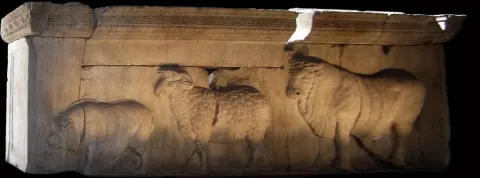
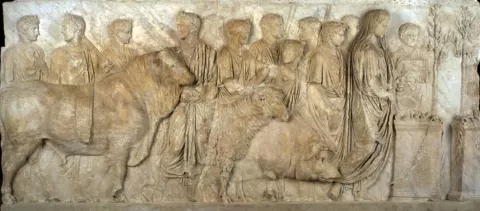
The suovetaurilia or suovitaurilia was an ancient Roman sacrifice in which a pig (sus), a sheep (ovis) and a bull (taurus) were sacrificed to the deity Mars to bless and purify land (Lustratio).
The first objects used as money, starting around 6,000 BC and in some parts of the world used up to 20th century, were animals and food. The cattle in general were very close to achieve the rank of the ideal monetary medium throughout world history. Its value derived from providing of clothes and food, and represented a symbol and measure of wealth. The cows were most probably the first form of money.
The language of that time witnesses to its great importance throughout the history. For example, the Latin word for money, “pecunia”, originally denoted sheep, while the English word “fee” is a descendent of the German world for cattle, “vieh”. The modern monetary unit of India, the “rupee” has its origin in the Sanskrit word for cattle, “rupa”. The usage of the word “bucks” for the money derived from the practice of early Americans who traded animal skins, including deer and elk bucks.
In almost every part of the world, at some point in history, salt circulated as money. Its value derived from the necessity for the life of all beings and preserving food from spoiling. The Latin word “salarium”, meaning “salt money” emerged as a term for “salary” from the occasional Roman practice of giving salt as wage to the Romans soldiers and officials. In Ethiopia traditionally rich with salt, for millionaire they use expression “he eateth salt”.
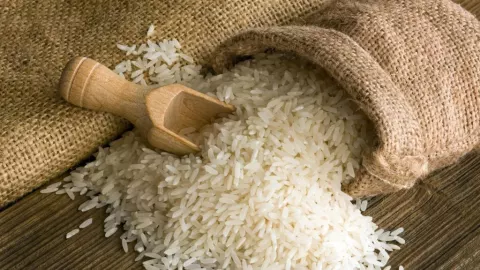
When talking about edible objects, it should be mentioned the rice used as commodity money in vide geographical range, stretching from the Far East to the American colonies. Nevertheless, the most developed system of rice currency emerged in feudal Japan where in some remote parts survived up to mid-20th century.
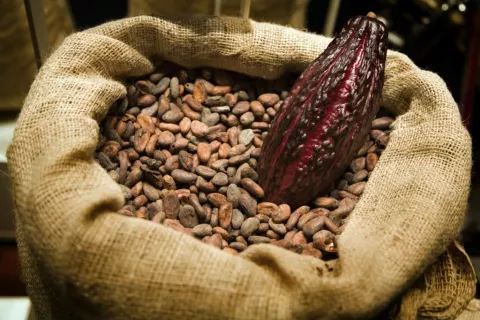
In the Mesoamerica in the period preceding the Spanish conquest, currency widely in use were cocoa beans. While exclusively high ranks of society used it as hot-chocolate beverage, the rest of population saw it as medium of small exchange in everyday life. In some remote parts of country its usage survived into the 20th century.
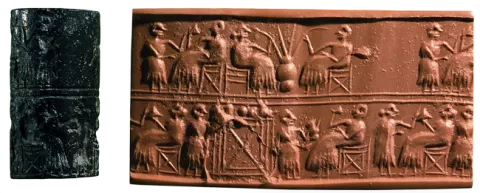
Besides food, beer and other liquor also held a prominent place among the currencies. The beer was particularly important for first civilizations of Mesopotamia and Egypt where it was even used for salaries.
This cylinder seal (c. 2600 BC) comes from the grave of Queen Pu-abi, in the Royal Cemetery at Ur. The seal is engraved with a banquet scene. The upper register depicts figures drinking beer from a large jar through long straws – a common method used to avoid residue.
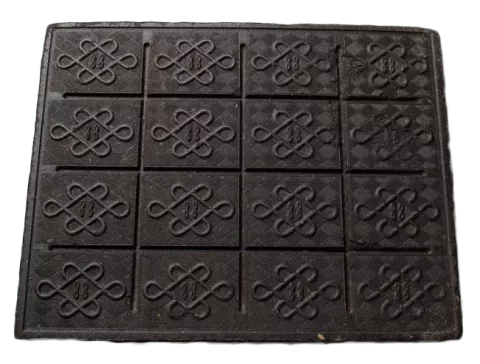
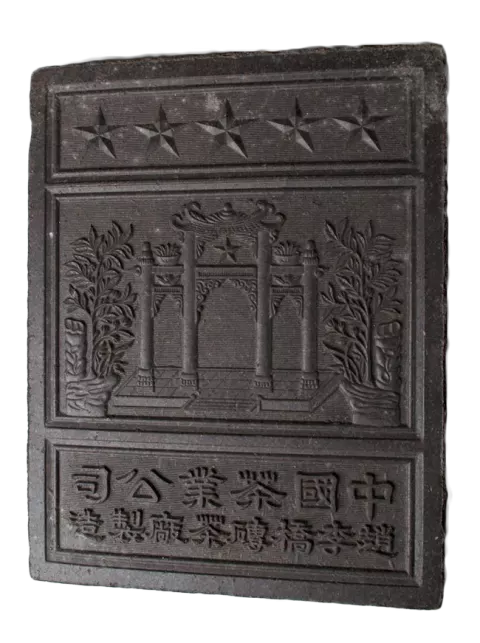
In Tibet and China tea bricks stamped with an official mark had a role of money. They were also used in Mongolia, Siberia and Turkmenistan. Besides, in harsh environments they had medical advantages used in the form of tea but could also be chewed as food and used to light fires. There were five quality grades while the tea of the best quality was dark brown and exclusively contained fermented tea leaves. The bricks of the poorest quality were dark yellow and they contained twigs, wood shavings and soot. The most common were bricks of the third grade. Brick were usually divided into squares on the back, like a chocolate bar, so they could be easily divided into smaller parts for use in smaller transactions or to be used for consumption.
Hard liquor such as brandy was used in the slave trade. In Australia during the late 18th and early 19th centuries, a period of national history called the “period of the rum currency”, rum was used as the medium of exchange.
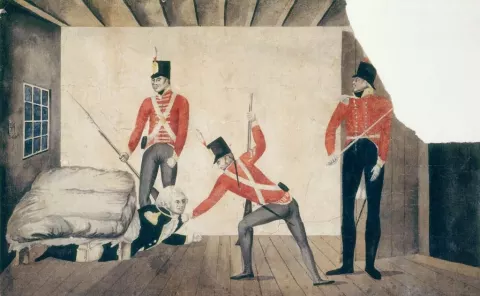
William Bligh, 4th Governor of New South Wales (in office 13 August 1806 – 26 January 1808), ordered the destruction of illicit stills and prohibited the bartering of spirits, especially rum, for grain, labor, food or any other goods. These orders aroused immediate and heated revolt. On 26th January 1808, officers and men of the New South Wales Corps marched to Government House in Sydney in an act of rebellion. Bligh was arrested and the colony was placed under military rule. This was the only time in Australian history that a government was overthrown by a military coup.
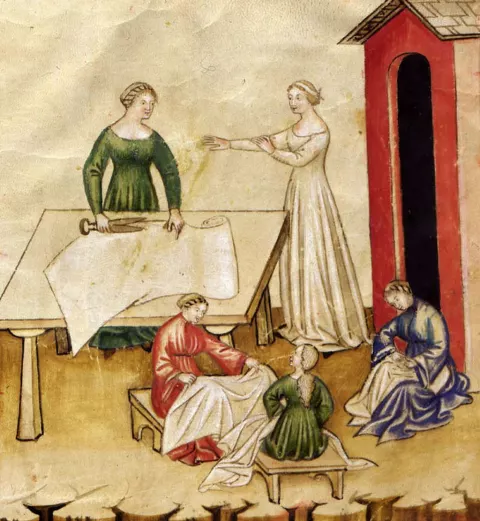
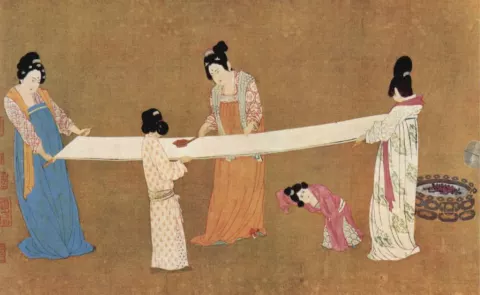
Cloth was another medium of exchange and a unit of measurement widely in use from the Far East, across Africa and Europe to America. Its value probably derived from the practical importance, and demands of production. In 2nd millennium China cloth made of silk was used as form of money.
In the language of Northern Slavs, the word “platni” meant “linen” and the word for “to pay” was “platiti”.
A painting depicting women inspecting silk, early 12th century, ink and color on silk, by Emperor Huizong of Song.
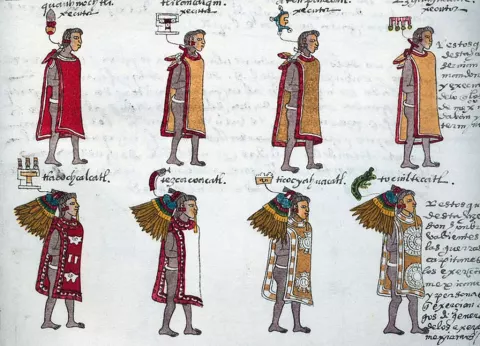
Different types of Aztec cloak. Smaller were called a tilmatli and the larger was called a quachtli. The importance of the tilmatli to the Aztec wardrobe proved so vital that this garment was traded as currency. Slaves could be bought for 30 quachtli; slaves who could sing and dance could be bought for 40 quachtli.
In the Aztec Empire, the cotton cloaks represented a highly valuable form of currency intended only for the more expensive transactions. In some part of the world, as in Africa for example, cloth was in use as money well into the early 20th century.
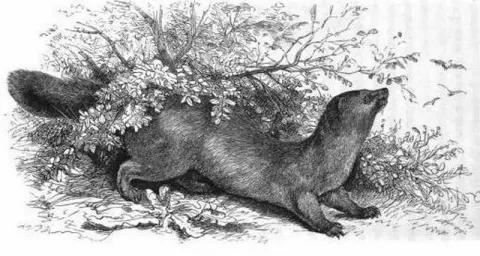
In Czarist Russia demand for pelts resulted in sort of “fur rush” comparable to the American “golden rush” in later period. At its height, furs were so valuable and profitable that they were called “soft gold” and accepted as currency throughout the Russian Empire.
A Russian sable, as illustrated in The Trapper's Guide, 1867. Sable was the most valuable and popular type of Siberian fur.
Commodity money
Symbolic currencies
As time passed, the human perception on what they chose to use for proto-money has started to change. The objects mentioned above whose meaning and value arise from them were replaced by those which value was of more symbolic and agreed-upon nature.
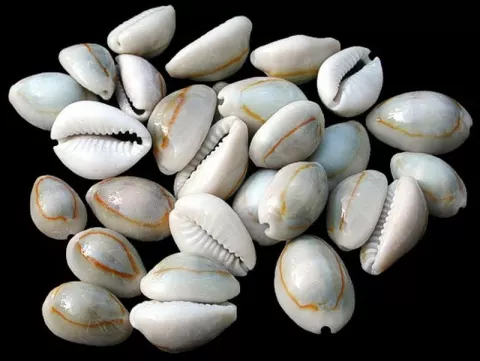
Feathers were accepted as money and on some of the islands in the Pacific Ocean. Certain colors of feathers were especially popular and served as a status symbol. For greater payments they used to sewn the feathers into the rolls. In West Africa, the ornamental metal jewelry called “manillas” (from the Portuguese word for bracelet) was used to make payments up to mid-20th century. Especially interesting place in history of economy occupy shells. They were small, easy to carry and durable. Found on Maldives’ Islands in the Indian Ocean, cowrie shells were widely used as currency in China, India, Thailand and West Africa. Cowrie shells were first used as money in China, where it also represented pictogram or symbol for money. In later period, they were made from bronze and copper. The use of cowries spread to other areas and through Arabian trade routes came to Africa. Their wider use in Africa is associated with the age of European exploration, when the Dutch and British ships on their way back from Asia used cowrie shells in trade for slaves. By 1770 the price of a single slave was about 150,000 cowries. Estimates suggest that during the 18th century more than 10,000 tons of these shells were brought from Asia.
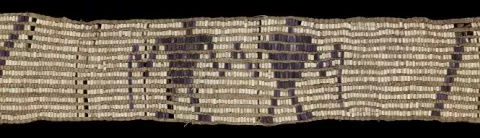
Similarly, the American Indians used “wampum” – the oblong clamshells, sawed into beads, polished and then strung together - as legal tender in several early American colonies and states. From the widespread use of wampum as symbolic currency derives the current phrase “shelling out”.
Although at various times and places in history, a wide array of commodities served as money, two are particularly interesting. The first object is connected with the island of Yap situated in the central Pacific. Its inhabitants adopted large stone wheels called “rai” – the largest being even four meters large while the smallest was big as a plate – as form of money. The stones were quarried and transported on the primitive boats from Palau, 260 miles distant island. Each stone had a hole in the middle so the money could be carried by using a pole. The stones were placed outside the owner’s home to show the family’s wealth and power. The most interesting thing about the stones was the question of their ownership. Since they were too large to move, alteration of ownership is carried out by ordinary announcement that the stone no longer belongs to you. The transaction was “recorded” in the oral history of islanders, and no physical displacement was necessary.
In their business practice physical location of the “rai” was irrelevant and only thing of importance was its ownership. In one instance, a large and valuable “rai” was being transported by canoe when it accidentally dropped and sank to the bottom of the sea. Although its owner never seen it again, islanders agreed that the stone still must be in the sea and continued to use it in business transactions.
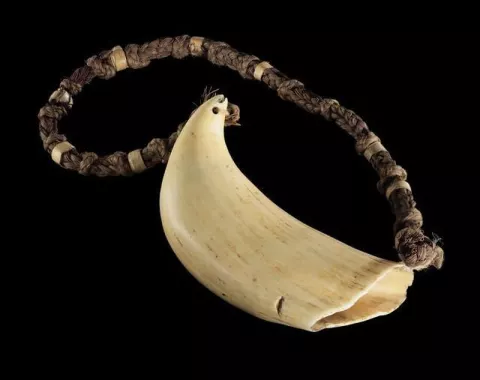
The second unusual object of transactions was “tambua”, especially worshiped and appreciated whale teeth by inhabitants of Fiji. This custom was for first time recorded by Captain James Cook in 1774. The older and bigger the teeth are, the higher their value. The teeth were constantly oiled and polished, and were preferred to gold. Its value was considerable – with a single tooth it was possible to obtain a large canoe, purchase a bride or made a compensation for murdered person. In 1982 during the visit of Fiji, the queen of England and the duke of Edinburgh enjoyed a formal presentation of a whale tooth what was considered a great honor.


100 lives in this room
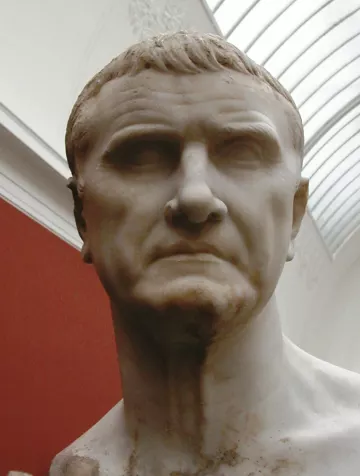 Marcus Licinius Crassusc. 115 BC – 53 BC
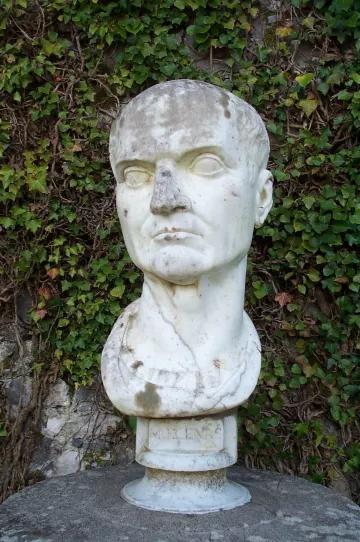 Gaius Maecenasc. 70 BC – 8 BC
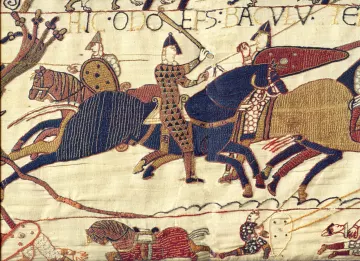 Odo of Bayeuxc. 1030-1097
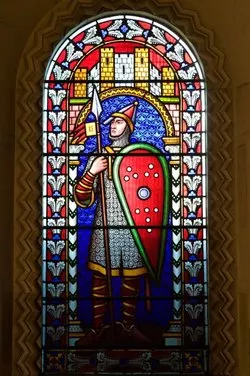 William Warrene, First Earl of Surreyc. 1030-1088
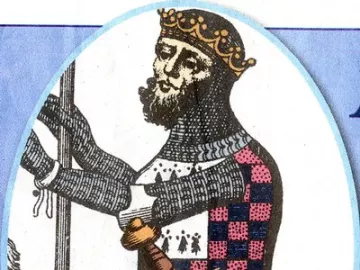 Alan Rufusc. 1040 - 1089
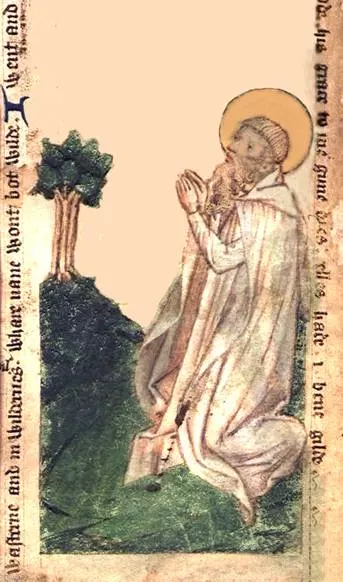 Godric of Finchalec. 1070-1170
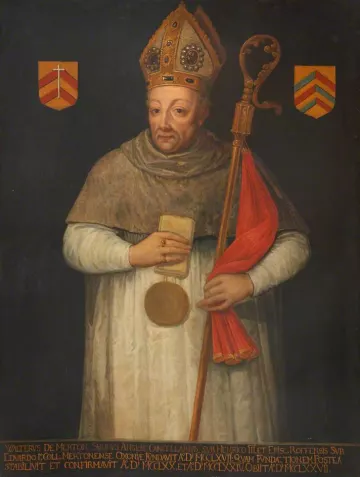 Walter de Mertonc 1205-1277
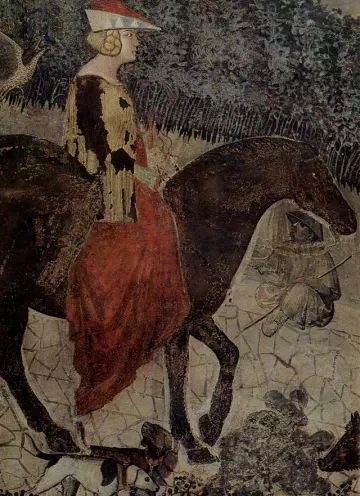 Orlando Bonsignorid. 1273
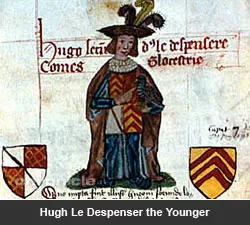 Hugh Despencer The Youngerc. 1286-1326
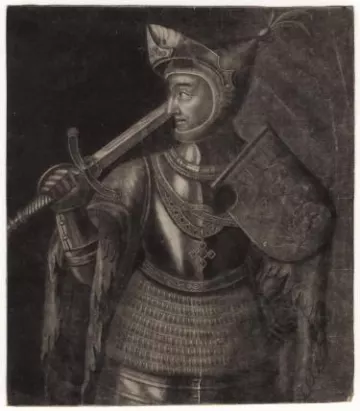 Henry of Grossmont, the Duke Of Lancaster1299-1361
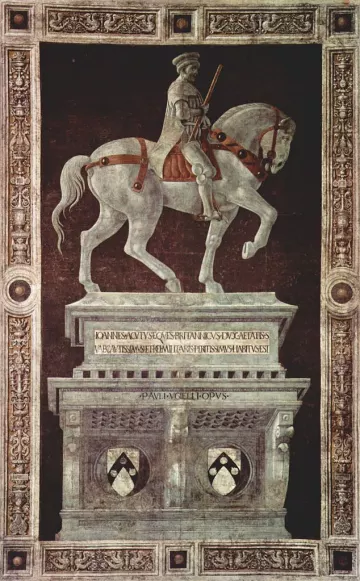 John Hawkwoodb. c. 1323 - 1394
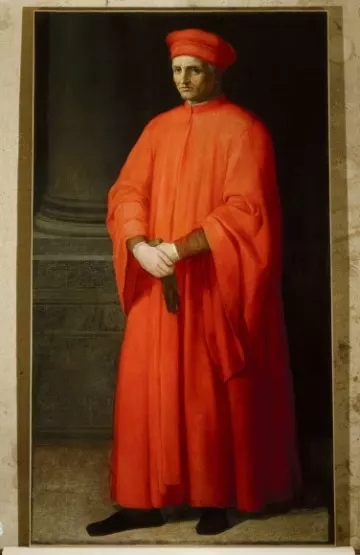 Francesco di Marco Datinic. 1335-1410
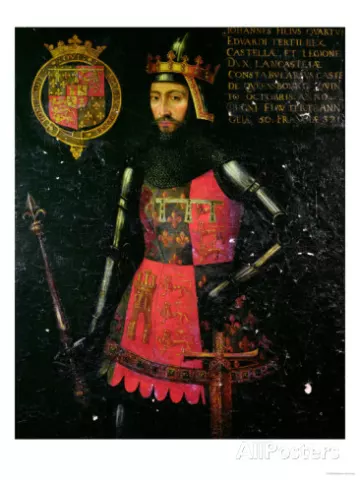 John of Gaunt1340-1399
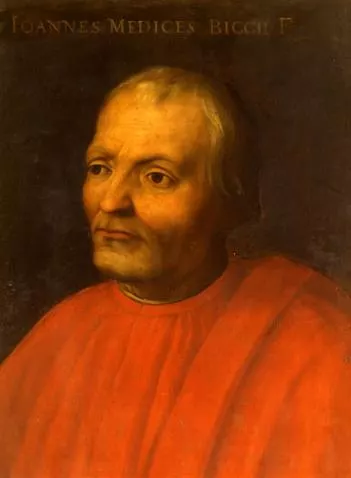 Giovanni di Bicci de' Medicic. 1360-1429
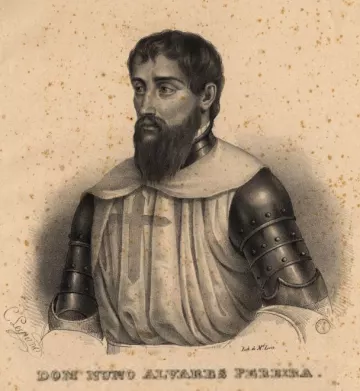 Nuno Álvares Pereira1360 - 1431
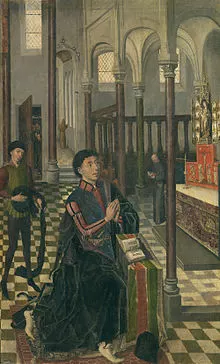 Diego Hurtado de Mendozac.1367-1404
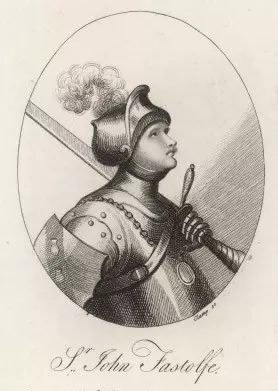 Sir John Fastolfc. 1378-1459
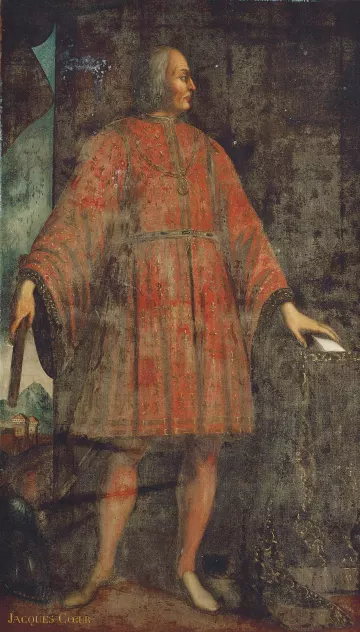 Jacques Coeurc. 1395-1456
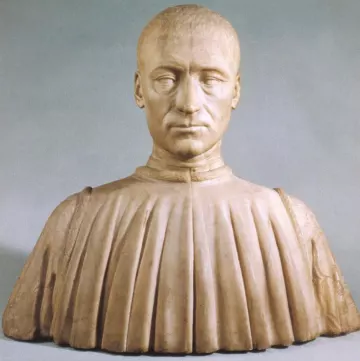 Filippo di Matteo Strozzi1428-1491
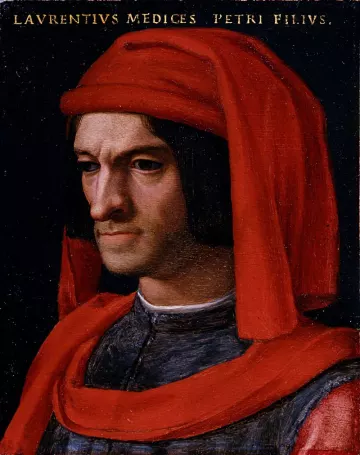 Lorenzo de’ Medici1449-1492
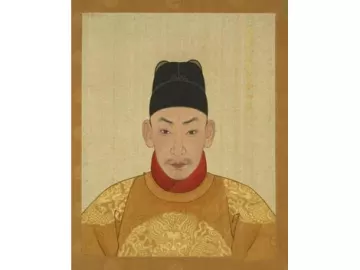 Liu Jin1452-1510
 Jakob Fugger1459-1525
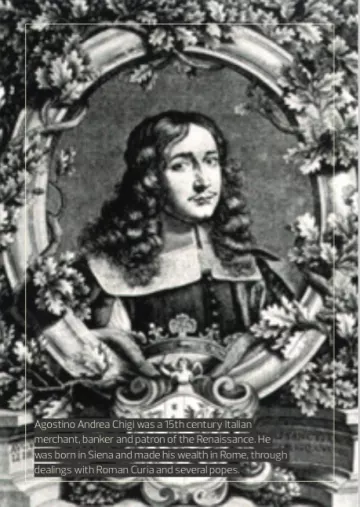 Agostino Andrea Chigi1466-1520
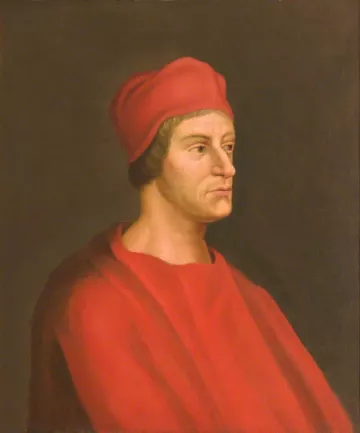 John Coletc. 1466-1519
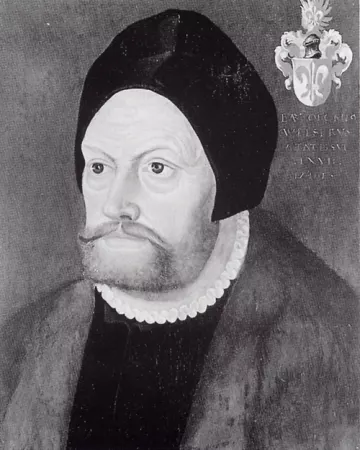 Bartholomeus Welserc. 1488- c. 1561
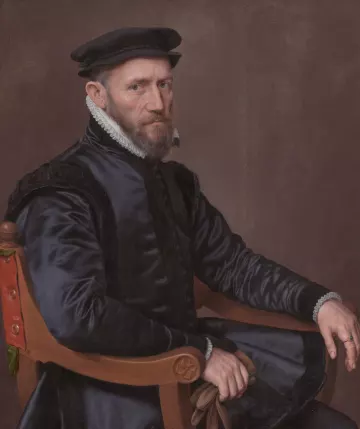 Sir Thomas Greshamc. 1519-1579
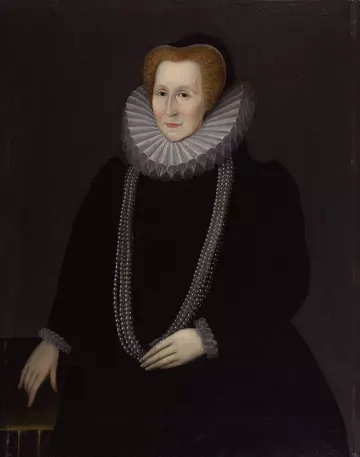 Bess of Hardwickc. 1527-1608
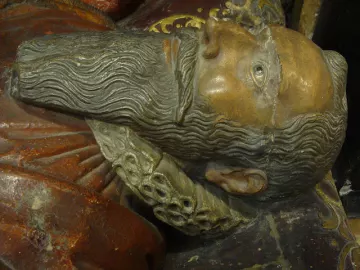 Sir John Spencerc. 1530- 1610
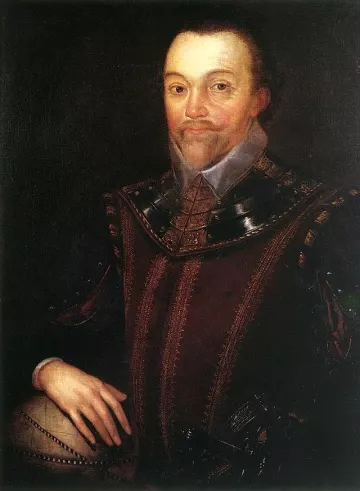 Francis Drakec. 1540-1596
 Sir Horatio Palavicinoc. 1540-1600
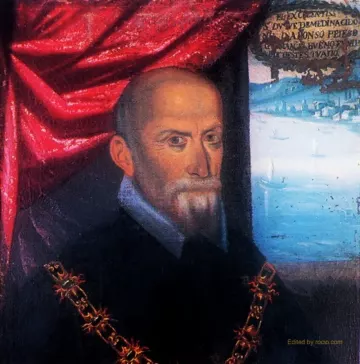 Alonso Pérez de Guzmán, Seventh duke of Medina Sidonia1550-1615
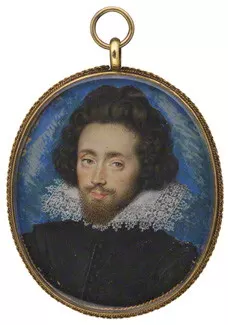 Richard Boyle, First Earl of Cork1566-1643
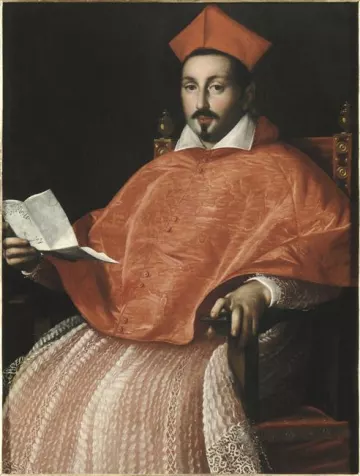 Scipione Borghese1576-1633
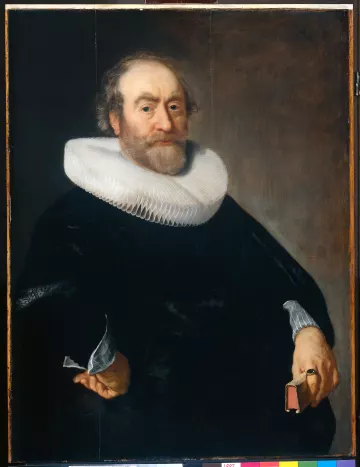 Andries Bicker1586-1652
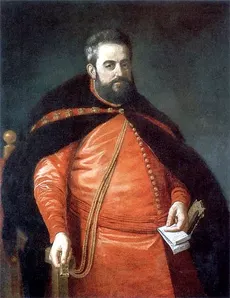 Adam Kazanowski1599-1649
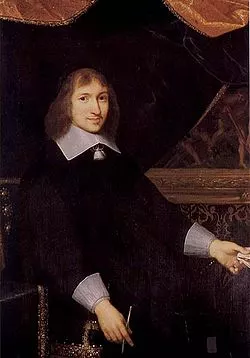 Nicolas Fouquet1615-1680
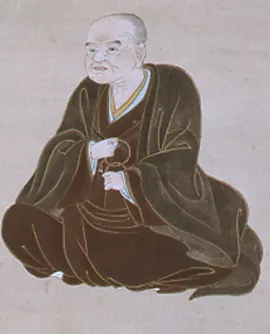 Mitsui Takatoshi1622-1694
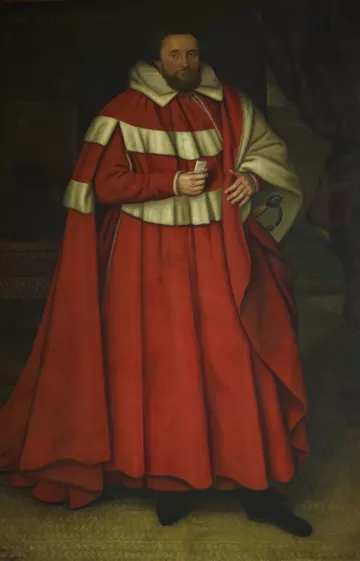 Robert Spencerd. 1627
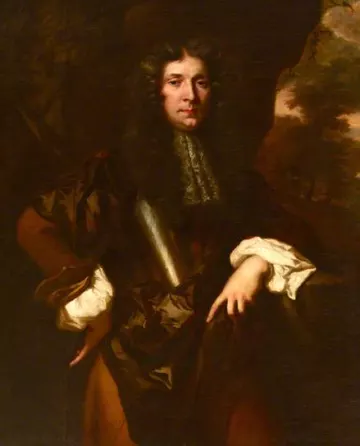 Sir John Banks1627-1699
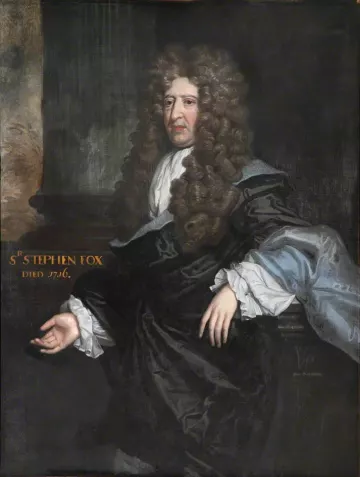 Stephen Fox1627-1716
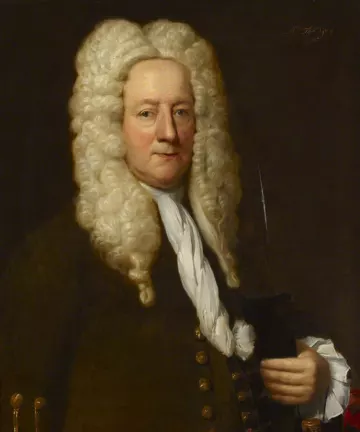 Thomas Guy1644–1724
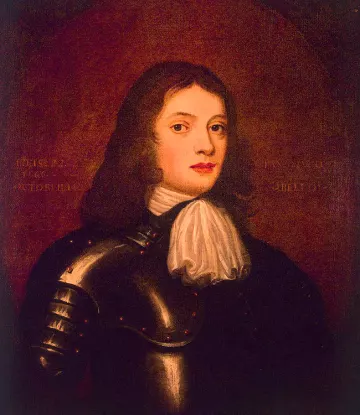 William Penn1644-1718
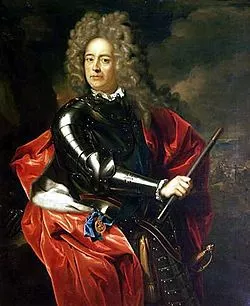 John Churchill, First Duke of Marlborough1650-1722
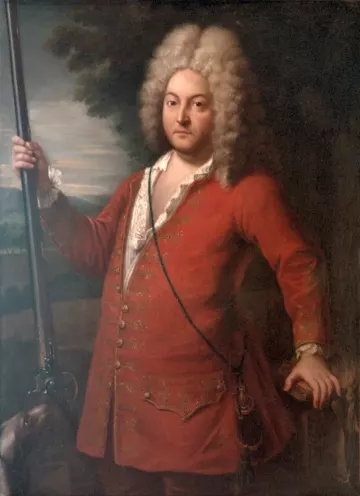 Samuel Bernard1651-1739
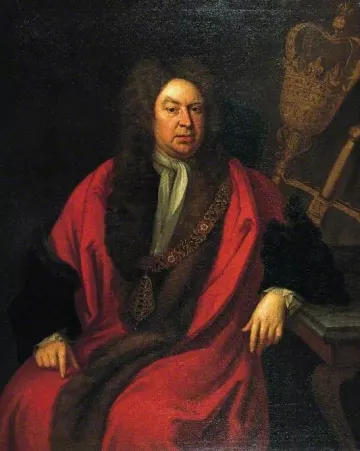 Sir Gilbert Heathcotec 1651-1733
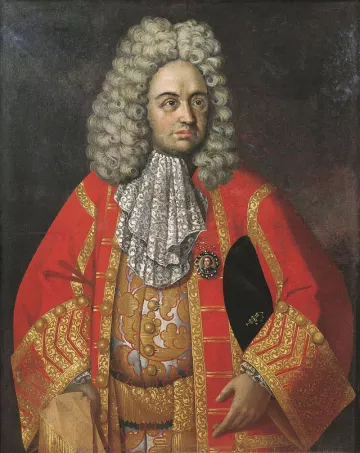 Grigory Stroganov1656-1715
 James Craggsc. 1657-1721
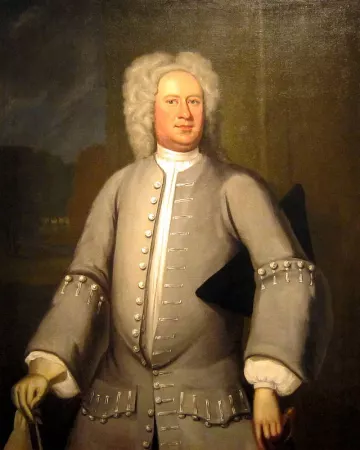 Robert Carter1662-1732
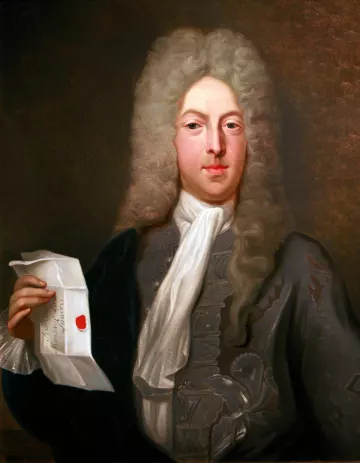 John Law1671-1729
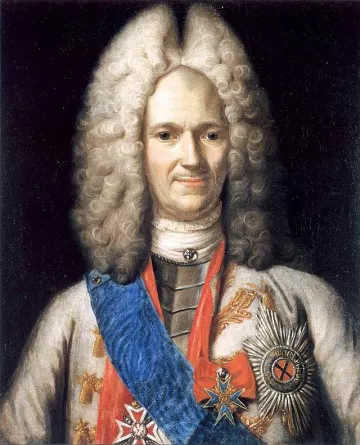 Aleksandr Danilovich Menshikov1673-1729
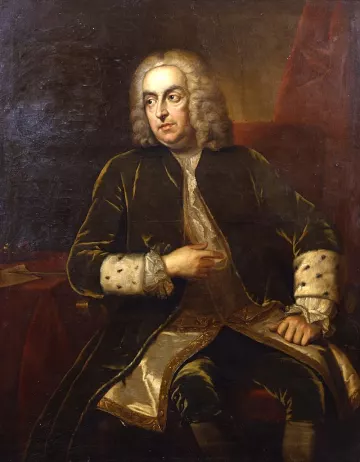 William Pulteney1684-1764
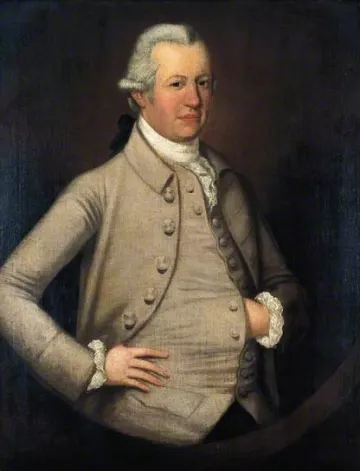 Samuel Fludyerc. 1705-1768
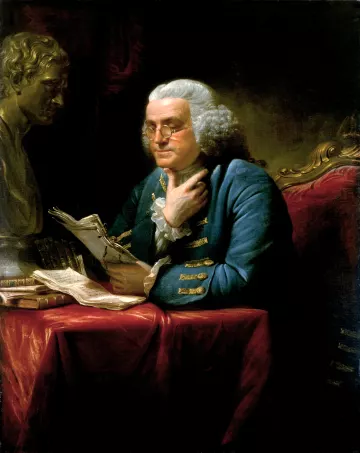 Benjamin Franklin1706–1790
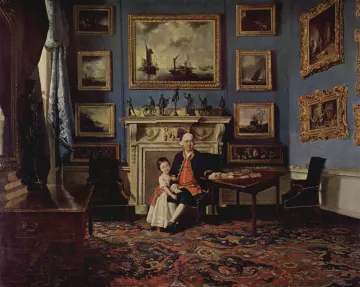 Sir Lawrence Dundasc. 1710-1781
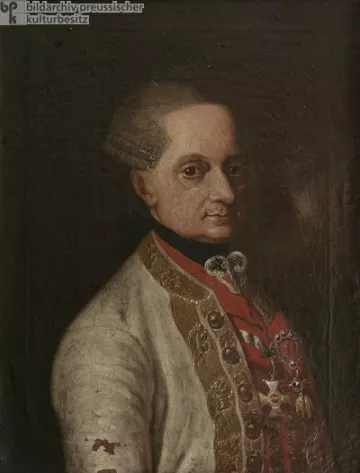 Nikolaus Esterházy1714-1790
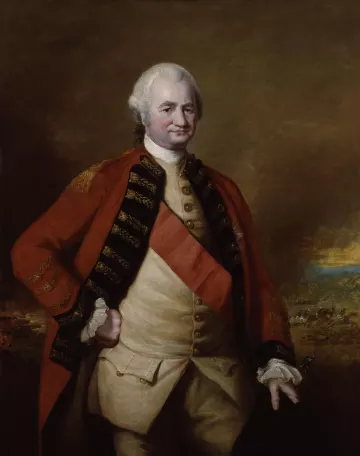 Robert Clive1725-1774
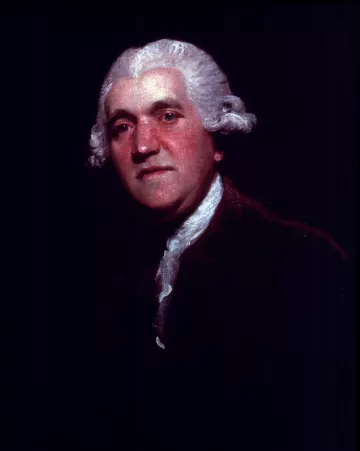 Josiah Wedgwood1730-1795
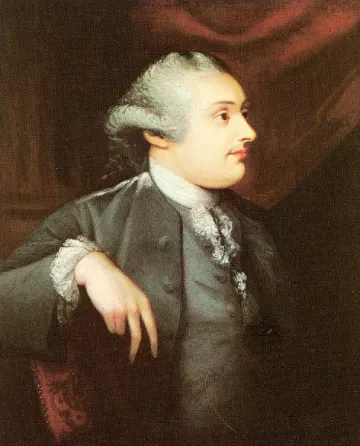 Henry Cavendish1731-1810
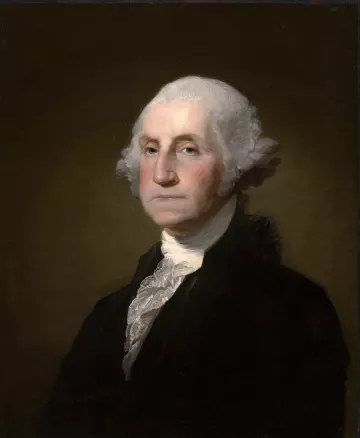 George Washington1732-1799
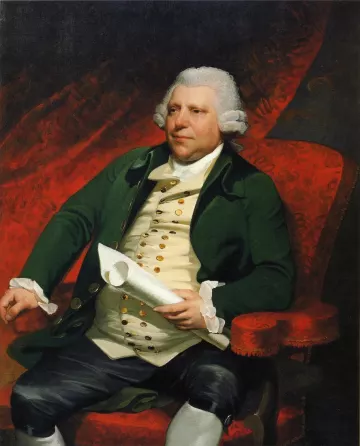 Sir Richard Arkwright1732-1792
More lives in this room
- Marduk-nasir-apli c. 521 BC-c. 487 BC
- Hipponicus Ammon c. 510 BC -c. 450 BC
- Nicias c. 470 BC - 413 BC
- Pasion c. 430 BC -370 BC
- Roscius c. 126 BC- 62 BC
- Claudius Aesopus died after 55 BC
- Yahyā Ibn Khālid Al-Barmakī d. 805
- Aaron of Lincoln c. 1125-1186
- Filippo di Amedeo de Peruzzi c. 1240 - c. 1303
- Piers Gaveston c. 1284-1312
- Ridolfo de’ Bardi c. 1300 - c. 1360
- Federico Cornaro c. 1335 - 1382
- William Sevenock c. 1373 - 1433
- Jacopo de’ Pazzi 1433-1478
- Juan Antonio Corzo Vicentelo c. 1517 - 1587
- Hugh Audley 1577-1662
- Ivan Borisovich Cherkassky c. 1580 - 1642
- Shantidas Jhaveri 1587-1659
- Virji Vora c. 1590-1670
- Nikita Romanov c. 1607-1654
- Abdul Ghafur c. 1622 - 1718
- Samuel Shepheard c. 1648-1719
- Mitsui Takahira 1653-1737
- Fateh Chand c. 1680- 1744
- Yodoya Tatsugoro b. c. 1686
- Ma Yueguan c. 1688-1755
- Jean Pellet 1694-1772
- Sampson Gideon c. 1699– 1762
- James Alexander 1730-1802
- Robert Morris 1734–1806
- John Hancock 1737-1793
- Peter Thellusson 1737-1797
- Elias Hasket Derby 1739-1799
- Richard Crawshay 1739-1810
- Francis Baring 1740-1810
- Heshen 1750-1799
- Stephen Girard 1750-1831
- Paul Cuffe 1759-1817
- Howqua 1769-1843
- Nathan Meyer Rothschild 1777-1836