No. 653
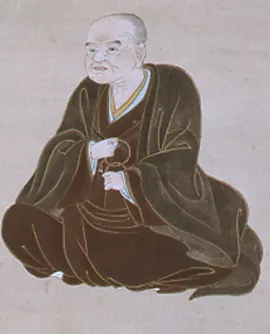
Mitsui Takatoshi
Successful banker and trader, Mitsui laid the foundation of the one of Japan’s world known zaibatsu, or large family-controlled conglomerates.
Born as the second of four sons of Mitsui Sokubei, a shopkeeper who was selling sake and miso (fermented soy bean paste) and ran a pawnshop, Mitsui Takatoshi proved his exceptional business talent from an early age. When he was 14, the family left Matsusaka and settled in Edo, present Tokyo, where they opened another store. Along with his brothers, Mitsui Toshigutsu and Mitsui Shigetoshi he established a gofukuya (kimono store) in the center of the city. Showing his originality, Takatoshi introduced a new practice of making and selling of ready-made kimonos that customers purchased at his shop. That was in contrast with the previous practice when the kimono stores mainly dealt in taking orders and delivering finished garments at the homes of their clients. He also used method of advertising to promote his business, and entered in some arrangements with the government. The business flourished and its incomes had increased sixteenfold.
However, the jealousy of his brothers provoked the rift, and Takatoshi returned to Matsusaka where he would spend the next twenty five years. Upon his return, he married a 15 year old girl and established a new business. Only after his elder brother died in 1673, Takatoshi returned to Edo and opened a store. He was fifty-two at the time.
The success that he achieved allowed him to expand into moneylending and other financial services. He set up a chain of money exchange shops in which government officials could safely transfer their revenues from one place to another without risks. Starting in 1691, members of the Mitsui family were appointed as chartered merchants (goyō shōnin) by the Tokugawa shogunate. This post gave also them a great political influence in the country and House of Mitsui was soon able to emerge as the largest Japanese merchant house of the Tokugawa period (1603-1867).
The regulations that he established, such as limiting the number of beneficiaries who could share in the company, limiting the amount of debt they could incur, defining the profile for employees and others, contributed to the rise of the House of Mitsui in the following period.