No. 1288
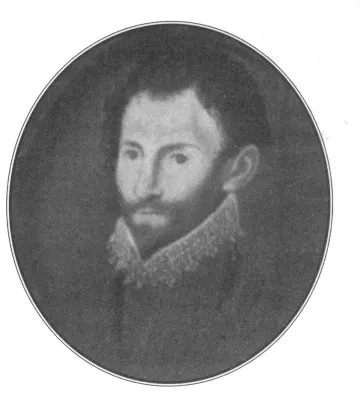
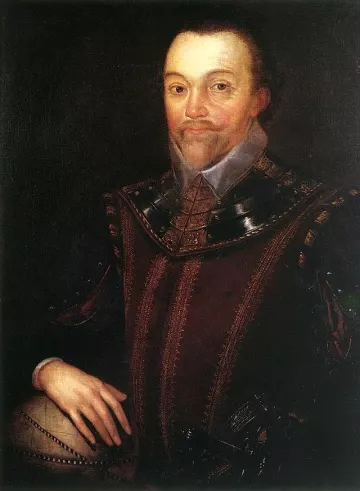
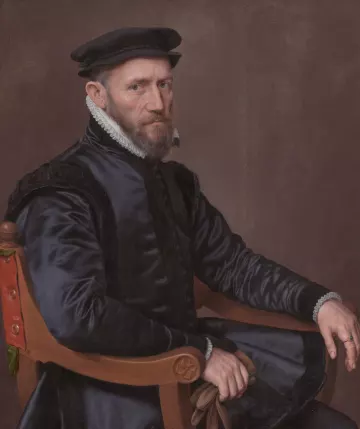
Sir Horatio Palavicino
Horatio Palavicino was born in Genoa in a wealthy and aristocratic banking family in Northern Italy. The family fortune was based on handling the papal monopoly in alum, which was in great demand in the cloth trade in the Netherlands and England.
First professional experience Horatio gained in Netherlands where he was sent to supervise his family’s northern commercial and financial interests. Trading primarily with the Netherlands and England, Palavicino annually imported thousands of tons of alum.
Eventually, he settled permanently in England and converted to Protestantism becoming a naturalized citizen. Through different enterprises such as investing in the Royal Exchange stock market, moneylending at high interst rate, import of pepper and shipping, he amassed a large fortune. Wealthy and educated, he became a favorite of Queen Elizabeth I and protégé of her treasurer and adviser, William Cecil. When Sir Thomas Gresham, the queen’s financial agent and ambassador died in 1579, Palavicino succeeded him in this position. He lent to the government large sums of money, and served as ambassador to France, Germany, and the Low Countries. Besides that, he also participated in political intrigues, he stole letters and documents, spread rumors, recruited spies, and negotiated secret agreements for the government. For his contributions to the country, he was knighted in 1587.
Well informed in foreign policy, he was among the first to warn of the Spanish armada and participated in the battle of 1588 in which the armada was defeated. He continued to serve the Queen Elisabeth until the late 1590’s when he was banished from the court because of trying to corner the grain market.
He was married to Anna Hooftman of Antwerp, daughter of a prosperous banker with whom he had three children. Horatio died in 1600 at Babraham Place, a luxurious Cambridgeshire manor. At the height of his prosperity, he was estimated to be worth the equivalent of nearly £5 billion in 2010 currency.