Museum / Rooms / English East India Company
Room · 9 chapters · 145 lives
English East India Company
Company which brought India under British control
Why so successful?
The rise of the East India Company to position of one of the most powerful mercantile organization in history was gradual and enabled by the mixture of diplomacy, politics and business proficiency. Its organization based on a joint-stock concept, policy of diversification according to current market demands, and ability to obtain the necessary Royal charters and support had a crucial role in story of success and longevity of the company.
Riches of the East
Trade in luxury goods and spices from the East was one of the most lucrative forms of commercial activity. After the discovery of the maritime route to India, a monopoly in the supply of Europe with luxury goods was in the hands of the Portuguese and later of the Dutch. The charter granted by the Queen Elizabeth I on 31 December 1600 to English merchants trading in the East Indies “for the honour of this realm” showed an open intention of England to break existing monopolies and to enter in East Indies spice trade.
By 1814-1816 the annual average value of British exports to Asia was £2,7 million while imports had reached £11,8 million.
There was an evident link between granting of economic privileges and royal borrowing from the EIC. Many of the “loans” were never repaid.
In Asia
Through favorable commercial treaty with the Mughal Emperor the Company obtained the exclusive rights to post factors and build warehouses on his dominions. By the mid-17th century, the Company had 23 factories and 90 employees in India. In the times that followed its commercial activities extended to the Persian Gulf, Southeast Asia and East Asia. To protect its interests the Company built large bureaucratic apparatus and a private army larger than those of some European states.
Trade goods
The company’s mainstay businesses were trade in spices, textile, indigo and saltpeter for which it paid with large quantities of bullion, most of which came from the Americas. After the mid-18th century the company became active in extremely lucrative tea trade. But, the problem was the fact that the Chinese only traded their tea for British silver whose supplies became scarce. In search for alternative commodity for financing tea trade, the British resorted to illegal opium trade which destroyed Chinese society and economy.
Surat was the headquarters of the EIC until 1687 when it was replaced by Bombay
Company’s illegal imports of opium into China increased 1000 times between 1750 and 1830! Britain insisted that the Chinese pay for opium with silver so they could use it to buy tea legally from China.
Company as sovereign
The EIC started as a monopolistic trading body exclusively interested in trade and profit, but as time went on it became involved in politics acting as an agent of British imperialism in India. During its heyday the English East India Company evolved into an imperial power and was the ruler of territories vastly larger than the United Kingdom with population more than 200 million people.
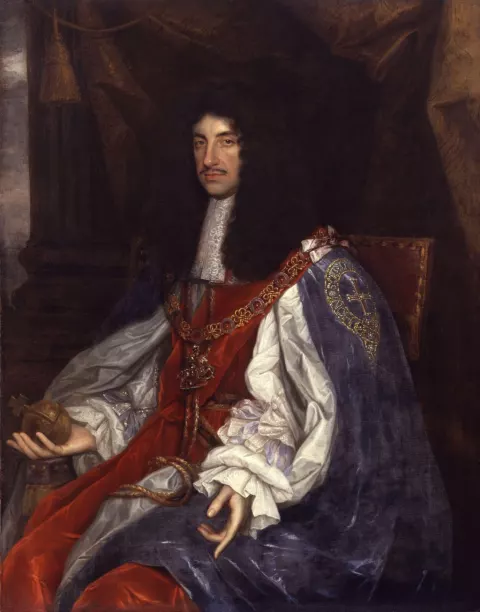
King Charles II in 1670 issued a charter which allowed the East India Company autonomous territorial acquisitions, to mint money, to command fortresses and troops and form alliances, to make war and peace, and to exercise both civil and criminal jurisdiction over the acquired areas.
British Raj
In the second half of the 18th century the British government started a takeover process which was completed after the Indian Mutiny in the mid-19th century when the British government assumed direct control over the territories. After 274 years the East India Company ceased to exist. This event in history marked the beginning of the British Raj, a period of direct British colonial rule over India which continued until independence in 1947.
The Company’s attempt to discharge their surplus of expensive tea they could not sell at American market through the infamous Tea Act of 1773 led to the rebellious Boston Tea Party in which colonists boarded company’s ships and dumped their loads of tea overboard. The ultimate consequence of this act was the outbreak of the American Revolutionary war and independence of American colonies from 1776.
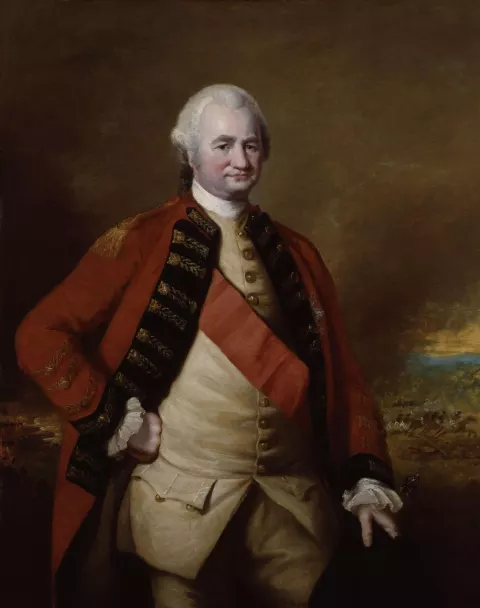
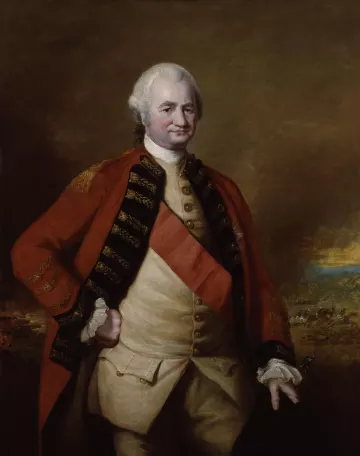
Robert Clive (1725-1774), a British officer and soldier of fortune who established the military and political supremacy of the East India Company in Bengal
Chapters
- Trade with the East
- England starts direct trade with the East
- Establishment of the East India Company
- Company’s organization
- Breaking old monopolies
- Trade commodities
- Relations with the Crown
- Company as sovereign
- Joint stock vs partnership
Trade with the East
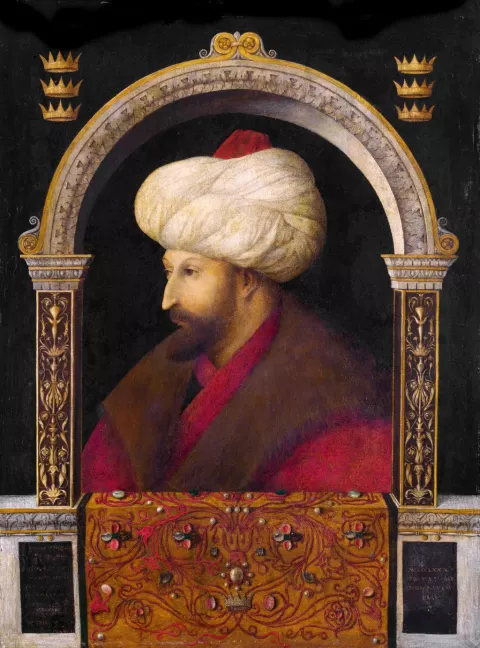
During the entire Middle Ages a trade in luxury goods and spices from the East was one of the most lucrative forms of commercial activity. Such products were not the necessities of life, but it made it more bearable and fashionable, especially for the feudal and clerical elite. Luxury goods were procured through Arab intermediaries, and in the 15th century rose the idea of discovering a new route to India in order to avoid intermediaries and reduce its costs. After the Ottoman Turks occupied the territories of the Byzantine Empire and conquered its capital (1453), the old trade route from the Mediterranean across Persia to India was terminated. Discovering the new route to India thus emerged as the only solution.
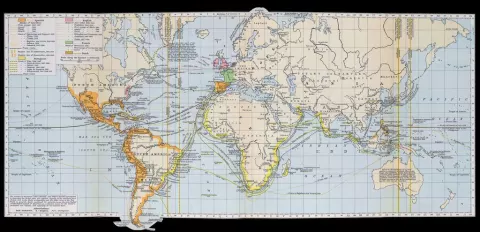
The maritime discoveries of the Portuguese and Spanish, and trade monopolies which have been consequently established with India and America have left far-reaching consequences on the economic and cultural life of Europe. Commercial traffic was no more limited to a narrow bounded sphere of the Baltic, Mediterranean and the North Sea, or was in the hands of the Italian maritime republics, mainly Venetian Republic, Genova, and the Hanseatic League. The newly created world trade was tied for the Atlantic and Indian Ocean, and gave the leadership to nations which were on the edge of Atlantic ̶ the Portuguese, Spanish, Dutch, English and French. These nations, situated on the strategic positions, will struggle for supremacy in the global trade for the next three centuries.
In the struggle for supremacy in world trade, England involved later than other European countries. The reason for that lay in the geographical location of England. In the Middle Ages, British islands were laying far from the civilized world, the Mediterranean and Baltic seas, which represented the focal point of Medieval traffic trade. Furthermore, its trade was in the hands of mediators, namely the Italian and the Hanseatic League. Although the English enjoyed the goods of European trade with East throughout the 16th century, they paid a higher price for it. In the second half of the 16th century, during the reign of Queen Elizabeth, the situation started to change.
After the voyages of Christopher Columbus across the Atlantic ocean, and Vasco de Gama around the Cape of Good Hope to India in the 1490s, the two Catholic powers, Spain and Portugal, decided to divide the known world. The aim of this agreement was to avoid conflict and monopolize trade routes. The agreement even received papal sanction and was formalized in diplomatic terms with the treaty of Zaragossa (1529).
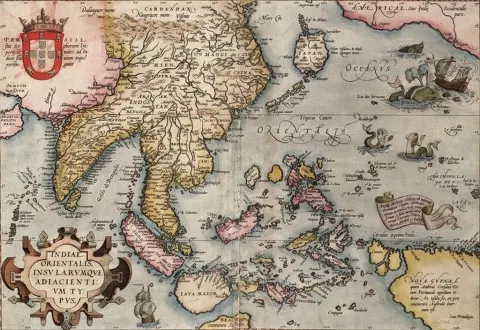
After that, the whole lucrative East trade in spices and other luxurious goods was in the Portuguese hands. Lisabon became the world trade center and a mediator in the entire commercial traffic between India and Europe. The old Arab trade was disabled by the Portuguese fortress which controlled the traffic road that led from Iran to India. Without Portuguese permission ships were not allowed to sail by their forts, otherwise they were regarded and treated as pirate ones. Their position on the East was further enhanced by the contracts concluded with Indian princes that secured their trade monopoly. But, their favorable situation didn’t last long and soon the other Europeans were lured to the East. Penetration of the Dutch caused a severe blow to the Portuguese and in the end resulted in their extinction from the market. Through just half a century, the Dutch have become the most influential force in the East Indies. Their factories were established everywhere, and their fleet dominated the seas. Dutch colonial system relied on the commercial monopoly as was the case with the Portuguese before them. Now, the commercial traffic between Europe and India, as well as between India and other Asian countries, was in the hands of the Dutch East India Company, founded in 1602.
England starts direct trade with the East
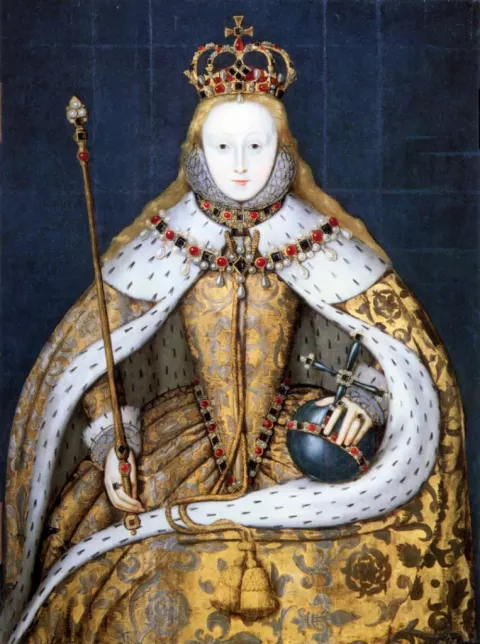
In such circumstances, the English had a small chance for a breakthrough in already established trade patterns. They tried to resolve their exclusion from the participation in the East trade in every possible way. Queen Elizabeth has refused to recognize the treaty of Zaragossa, and claimed that only a real occupation of country could devise a right to it, or in other words, prescription without possession availed nothing.
In first phase, the English attempted to avoid direct conflict with Iberian powers and breach the trade monopoly without a direct challenge. They thought that circumventing will issue the problem, and supported the idea of discovering a sea route to the East by sailing from Europe either north-east or north-west, in waters not frequented by Spanish and Portuguese ships. But, in the end, all efforts proved in vain. Thereafter was followed an attempt to focus endeavor on the old overland routes, running from the Mediterranean ports of modern Lebanon, south-east to the Persian Gulf, then on to India and the Spice Islands. But, despite the best efforts of the Muscovy and Levant companies, these enterprises were also inadequate, and the overland route proved neither safe nor profitable.
Establishment of the East India Company
After destruction of Spanish Armada in 1588, the English finally got the chance to break the monopoly of the Spanish and Portuguese and to enter in East Indies spice trade.
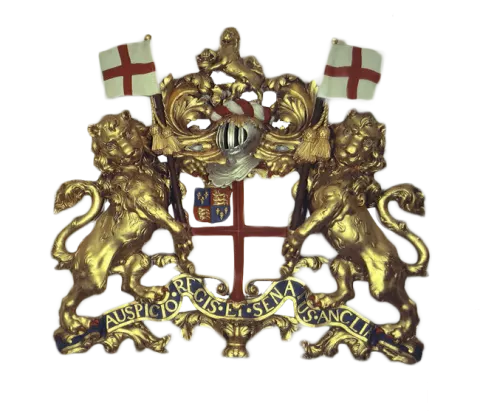
In 1600, a small group of merchants, investors and businessmen looking to capitalize on these new trading opportunities presented a great petition to Queen Elizabeth requesting the formation of a new trading company. On 31 December 1600, Queen Elizabeth I granted over 200 English merchants the right to trade in the East Indies “for the honour of this realm”. They called themselves Governor and Company of Merchants of London Trading into the East Indies, and later became simply known as The East India Company.
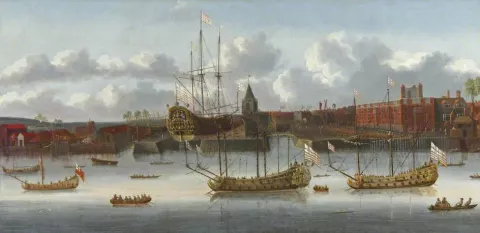
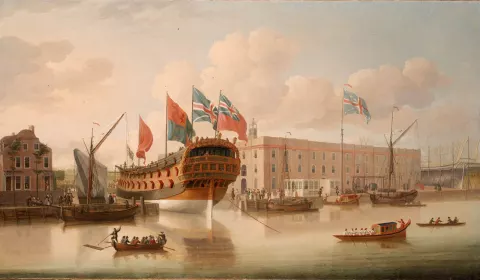
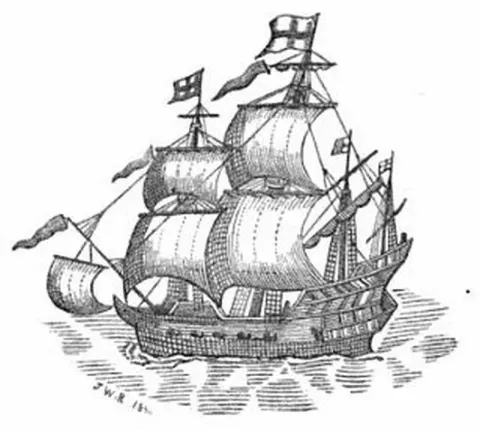
In 1609, the company established and equipped their own dockyard at Deptford on the River Thames to build ships for the Far East trade. In a period between 1607 and 1639 the company built seventy-six ships specifically for the India trade. Thirty of the vessels were of three to four hundred ton category, while the ships of the smaller tonnages were best suited for Indian coastal trade.
Although the company started as a monopolistic trading body, in the later period it became involved in politics and acted as an agent of British imperialism in India. It is regarded as the largest and most powerful company that the world has ever seen.
Company’s organization
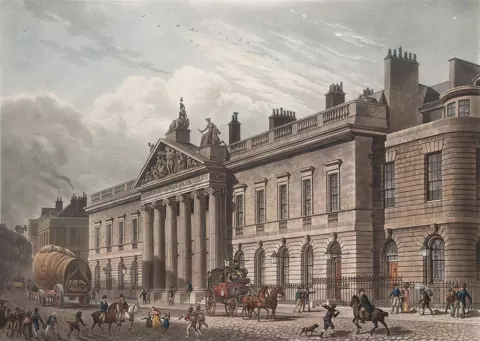
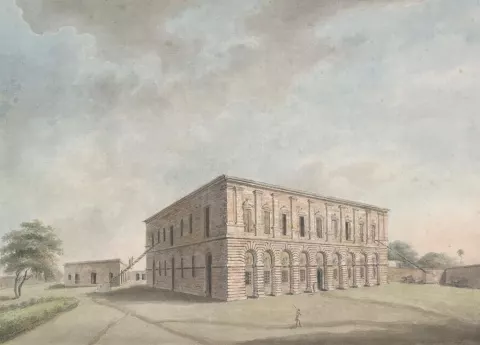
East India House in Leadenhall Street was the London headquarters of the Company, from which much of British India was governed until the British government took control of the Company's possessions in India
The English East India Company, although the oldest among several formed European East India companies, had some special features that have enabled its rise to dominant position.
The Company was organized as joint stock company. Its administration was arranged in a way that encouraged strong leadership and stability. The highest executive authority represented the General Court made of all shareholders that had owed sufficient equity to qualify for voting (varying in the range of £500 to £2,000 par value stock).
Shareholders were basically divided into two groups. The first group involved many English and some foreign merchants who participated in the management because of their previous experience in overseas trading. The second group involved nobles and private individuals who were attracted by prospects of earning large dividends and were generally less active in management.
Shareholders had the option of receiving payment either in cash or in particular commodities. Those who were active as merchants preferred to receive commodities which could be resold at greater profits in other European markets. Nobles, in contrast, desired cash dividends.
The General court elected Governor and Court of Directors comprised of 24 four members who were in charge for strategic management and worked through committees. There were seven committees specialized in accounting, buying, correspondence, shipping, finance, warehousing and private trade. They were assisted by a personnel of numerous specialists, including accountants, auditors, clerks, cashiers and secretaries.
Breaking old monopolies
Queen Elizabeth’s charter secured for the company exclusive privileges of trade with the countries beyond of the Cape of Good Hope and the Strait of Magellan for fifteen years. In theory, this meant that no other English company or people were allowed to trade in that area. Sir James Lancaster commanded the first East India Company voyage in 1601, while Sir Henry Middleton commanded the second voyage in 1604. Although only one of three Lancaster’s ships completed the journey, its rich cargo of pepper weighting almost 500 tons destroyed the Catholic monopoly in the East.
Once in Indian Ocean, the company met strong opposition from the Dutch and the Portuguese. The plan to break the Dutch monopoly in the spice trade with the East Indies (now Indonesia) was abandoned after the incident called Amboina Massacre in 1623 when the Dutch authorities executed English traders. This event has convinced them to concentrate on Indian soil, although it wasn’t an easy task at all. The Portuguese already had bases in Goa, Chittagong and Bombay, and enjoyed the favor of the Mogul Emperor.
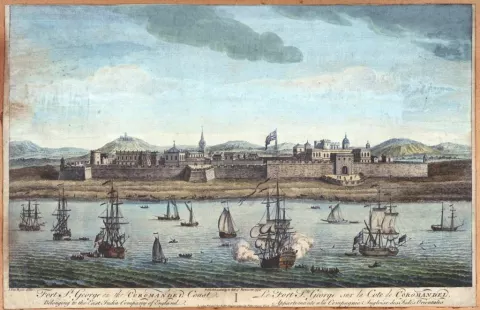
The first factory, or a secure warehouse for the accumulation of goods, the company had established at Machilipatnam on Coromandel Coast of the Bay of Bengal in 1611. The Portuguese, who made great efforts to prevent the English to trade with native merchants, were defeated in two naval battles (1612, 1614).
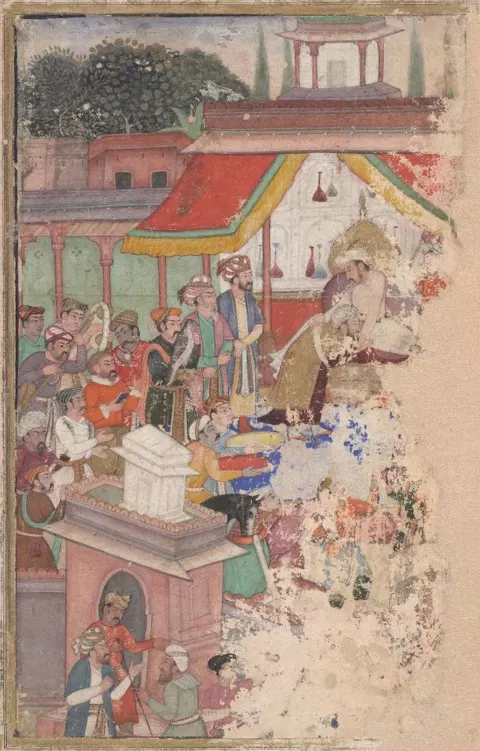
The Mughal Emperor Jahangir investing a courtier with a robe of honour watched by Sir Thomas Roe, English ambassador to the court of Jahangir at Agra from 1615–18, and others
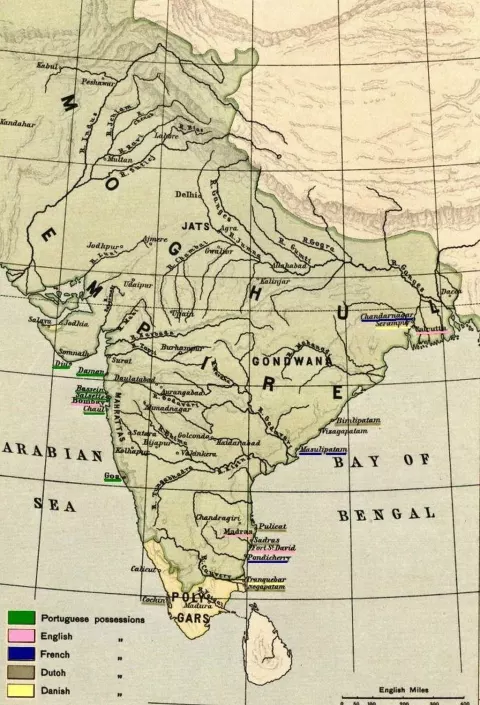
India in 1700 showing the Mughal Empire and the European trading settlements.
Due to these victories, the English have finally obtained the Emperor’s attention. Although the Mogul Empire didn’t have regular navy and thus relied on Portuguese for policing trade in the area, the obvious shift in power prompted the Emperor to revise his policy. In 1612, King James I instructed Sir Thomas Roe to visit the Mughal Emperor Nuruddin Salim Jahangir and to negotiate. Finally, a commercial treaty was signed that gave the company exclusive rights to post factors and build warehouses in the Mogul’s dominions, while the company offered to provide the Emperor with goods from the European market.
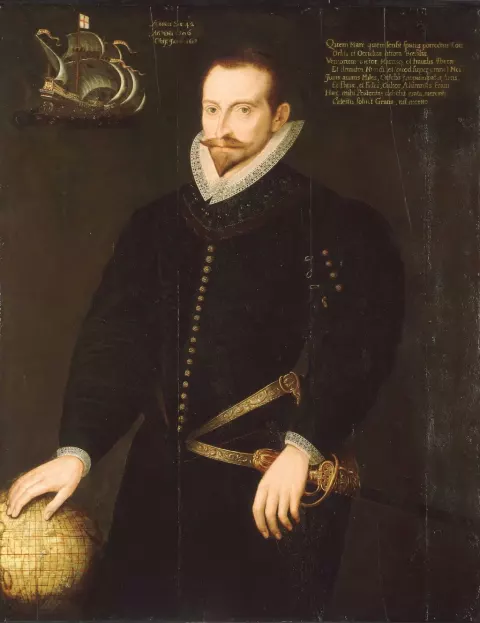
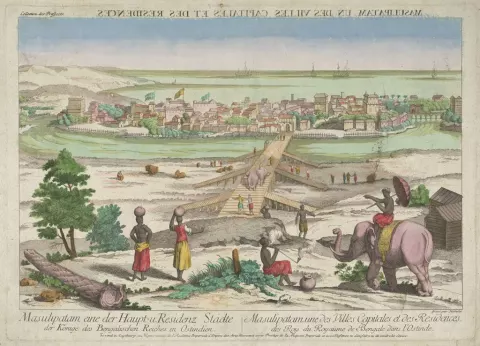
In the turn of events, in 1613 a factory has been formally established on the west coast, at Surat which remained the English headquarters on the west coast until 1687 when it was gradually replaced by Bombay. Trading posts were also built in Madras (1639), Bombay (1668) and Calcutta (1690). Eventually these settlements evolved from trading posts (factories) into major commercial towns under English jurisdiction thanks to Indian and British merchants and artisans who moved in to do business with the company.
By the 1647, the company had 23 factories and 90 employees in India. Each factory was under the command of a factor (master merchant) or governor. Its commercial activities extended to the Persian Gulf, Southeast Asia, and East Asia, and the Company had even amassed its own army in order to protect its interests.
Trade commodities
The company managed to retain its prominent position in the East trade also due to its policy of diversification.
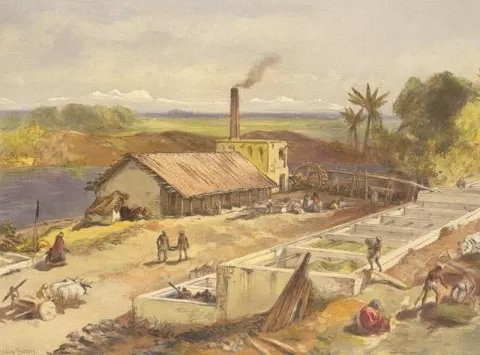
In the early 16th century existed an enormous demand for pepper and the success of the company in that period rested on its importation and sales. In 1609 the company's imports of pepper jumped from £419,000 to £2,9 million in 1626. It was used as currency in purchase of land, provisions of city loans; even the dowry was given in pepper. Traders were called “bags of pepper”. In 1630s when the marked became saturated and the trade became unprofitable, the company decided to diversify in other products. In the 17th century, spices like cloves, nutmeg, mace and cinnamon from the East Indian islands became more profitable. But more important were products from the Indian mainland, such as indigo, used in the dyeing industry, and saltpetre, used in preserving meats, gunpowder production and medicines.
To take advantage of the lower prices, the local factors were ordered to negotiate contracts for the supply of particular commodities long before the trading fleets arrived.
In addition, light textiles from India, such as calicoes and silk, became common items in the cargoes of the company's imports to Britain and by the 1700s the company became dominant in the global textile trade. After the mid-18th century the cotton-goods trade also declined, and the company became interested in the tea trade. But, the problem was the fact that the Chinese only traded their tea for silver. England didn’t have silver for this purpose and importation of silver from continental Europe was unprofitable. So the company began producing opium in its Indian territories and financed the tea trade with illegal exports to China which gradually but steadily undermined Chinese society and economy.
Indigo dye factory in Bengal. Bengal was the world's largest producer of natural indigo in the 19th century.
In order to avoid market saturation, the English East India Company used an auctions in London to spread the ship's cargo over a broad time. It usually took about four to six quarterly auctions to liquidate completely the cargo from one voyage.
Relations with the Crown
The relation between the East India Company during its existence and the Crown could be described as a complex one. The company’s future depended on the king’s royal charters and supports, and the rulers did not hesitate to benefit from that relation. By 1621 various royal levies on the company’s operations produced in the region of £ 20,000 per annum, and it was in the crown’s best interest to ensure that this prosperity continued. In theory, the wealthier the company became, the more money would accrue to the Crown. Besides that, the company was also used as a source of royal loans, and there was an evident link between granting of economic privileges and royal borrowing at this time. For example, in 1609 the king James I gave to the company a new and better charter with indefinite privileges subject to recall only after three years of notice, and instead received “loans” which were never repaid. King Charles II issued a new charter which allowed the company autonomous territorial acquisitions, to mint money, to command fortresses and troops and form alliances, to make war and peace, and to exercise both civil and criminal jurisdiction over the acquired areas. This laid the basis for the future rule of India by the British.
Relations with the Crown
Interlopers
No matter how the relationship was lucrative for both sides, the Crown believed that the eastern trade could be exploited to the further benefit of royal finances and was interested in giving licenses to other trading companies. In 1618, for example, King James granted a patent to Sir James Cunningham for the creation of a Scottish East India Company, but the patent was withdrawn on protests from the EIC and for a loan of £20,000 in return. In 1698, the company’s monopoly was challenged once more by independent English traders, called “interlopers” who formed a new English East India Company Trading to the East Indies, but the East India Company resolved the menace by a merger of the two companies in a United Company of Merchants Trading to East Indies (1709). The merged company lent to the Treasury a sum of £ 3.200,000 in return for exclusive privileges for the next three years.
Company as sovereign
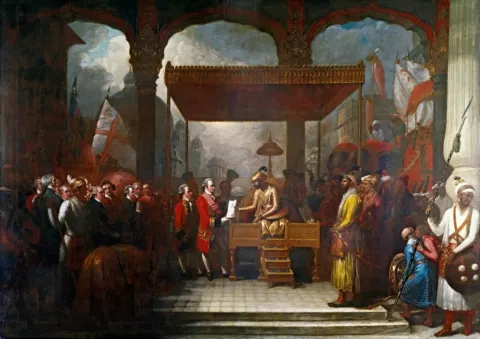
he Mughal emperor Shah Alam hands a scroll to Robert Clive, the governor of Bengal, which transferred tax collecting rights in Bengal, Bihar and Orissa to the East India Company.
During the 17th and a first half of the 18th century the effective Mughal rule throughout India provided for the company a secure framework for trade, which was standing on a stable and profitable basis. Yet in 1634 the Mogul Emperor extended his hospitality to the English traders to the region of Bengal. In 1717 the Emperor Frauksiyar granted the company the right to trade in Bengal without payment of customs in return for an annual payment of 3,000 rupees, an insignificant sum. But, by the mid-18th century political circumstances dramatically changed. The Mughal Empire went in a state of collapse as Emperor’s power declined, and the company began to intervene in Indian political affairs in order to protect its interests.
Other European powers were competing for control in India and sought alliances with states that inherited the Mogul territories. At that time, the company's main rival was the French East India Company with an aggressive policy of expansion. The victories (1751–60) of Robert Clive over the French made the company dominant in India, and by a treaty of 1765 it assumed control of the administration of Bengal and gained the right to tax anyone living within its boundaries.
After the conquest of Bengal, India’s richest province, the company changed its traditional commercial policy. Instead of accustomed exchange of exported British goods and bullion for Asian products, the company became focused on the collection of territorial taxes and customs duties, a privilege granted by the Emperor Shah Alam II. Indian tax revenues were subsequently used to purchase Indian and Chinese commodities for export to Britain. In order to collect taxes, the company created a large military and civil administration. In fact, it evolved from the trade body in an imperial power, and during its heyday it became the ruler of territories vastly larger than the United Kingdom itself with population more than 200 million people.
In the late 18th century, the intervention of the British government in the company’s territorial affairs marked the beginning of a takeover process that was completed in 1858. In 1773 the government adopted Regulating Act by which a governor-general of Bengal, whose appointment was subject to government approval, was given charge of all the company's possessions in India. By the East India Act issued in 1784, the government assumed more direct responsibility for British activities in India, setting up a board of control for India. Although the company continued to control commercial policy and lesser administration, the British government became the ruler of India. Parliamentary acts of 1813 and 1833 ended the company’s trade monopoly. Finally, after the Indian Mutinity (1857-58), an unsuccessful rebellion against British rule in India the British government assumed direct control, and the East India Company was dissolved.
This was the start of the British Raj, a period of direct British colonial rule over India which continued until independence in 1947.
Robert Clive (1725-1774), a British officer and soldier of fortune who established the military and political supremacy of the East India Company in Bengal
Joint stock vs partnership
The English East India Company was organized as joint stock company that was more suitable for large scale business ventures which required large capital and therefore involved greater risks. The company first entered the spice trade in the form of an old-fashioned or early capitalist venture, conducting each voyage as a separate business venture with its own subscribers or stock-holders. This approach lasted for a dozen years, and then in 1612 the company switched to temporary joint stocks and finally to permanent joint stocks in 1657 as the scale and scope of trading activities expanded.
The joint stock concept, in general, solved the problem of raising large capital and sharing the risk. While the large capital necessary for overseas trading voyage was procured by selling shares of stock, the risks were shared by splitting up the capital invested in enterprise by numerous shareholders. Thousands of people invested and participated in enterprise by buying shares that they could afford to buy.
In comparison with partnerships, which were a traditional way of organizing business from Antiquity to Middle Ages and beyond, the joint stock companies had four main features that gave them an advantage in business affairs.
First, shares in joint stock are freely transferable, which meant, that they could be sold or bought at any time without any restriction. In partnership shares could be sold only with the permission of all partners. Second, the liability of shareholders (owners) is limited to the amount they had invested and shareholders were not personally responsible for loses or debt incurred by the company. In partnership, the partners were personally liable for debts incurred by the partnership and therefore they were actively involved in the business. In other words, management was not centralized or separate from ownership. Third, the joint stock company was a distinct legal entity separate from its owners, and it can sue or be sued at law without its owners private wealth being impacted. In contrast, partnership did not have a legal personality. These feature made a partnership risky and unstable form. And fourth, management in joint stock company is centralized and separated from ownership. Also, partnerships were dissolved after death of one partner while joint stock companies were permanent and therefore more appropriate for long-term and planned activities
145 lives in this room
 Anthony Jenkinson1529-1611
 Sir John Spencerc. 1530- 1610
 Sir Thomas Cambellc. 1536-1614
 Leonard Holliday1550-1624
 Ralph Fitchc. 1550 – 1611
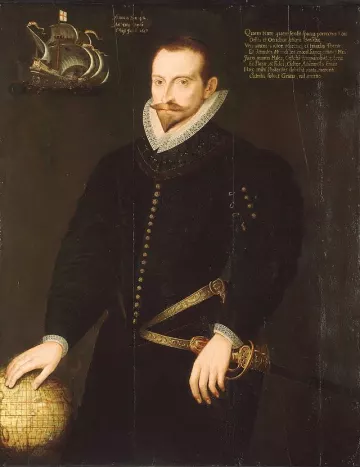 James Lancaster1554–1618
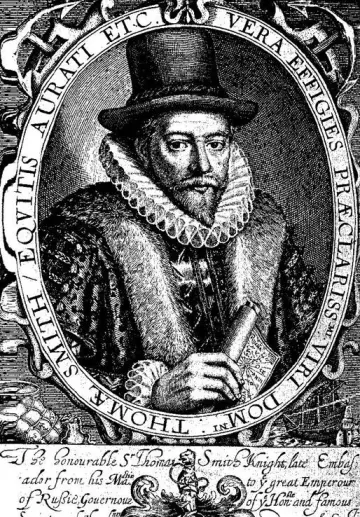 Sir Thomas Smythec.1558-1625
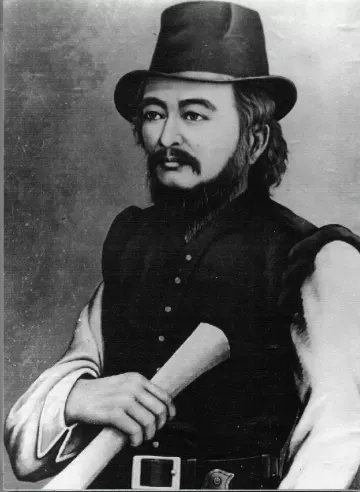 William Adams1564-1620
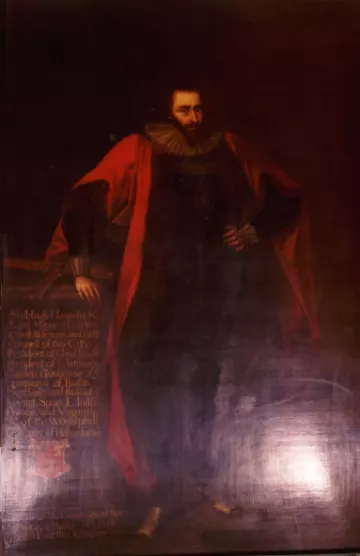 Sir Hugh Hamersley1565-1636
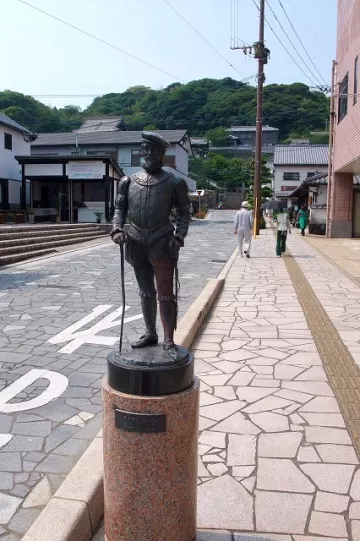 Richard Cocks1566-1624
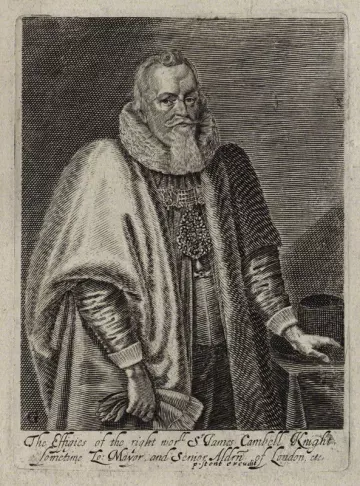 Sir James Cambell1570-1642
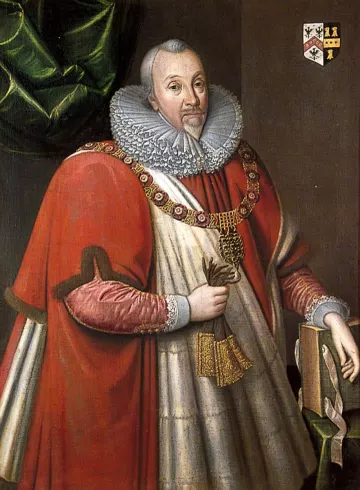 Sir Christopher Clitherow1578-1641
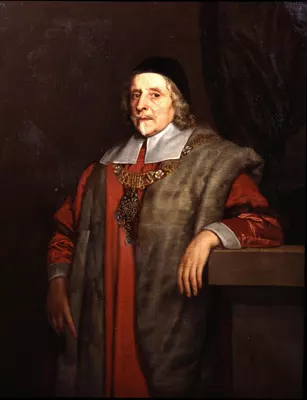 Sir Thomas Viner1588-1665
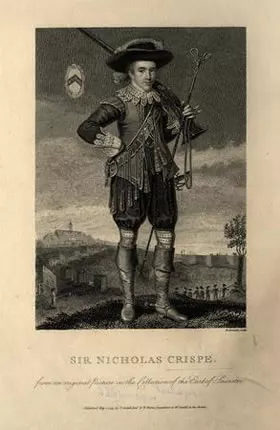 Sir Nicholas Crispec. 1599-1666
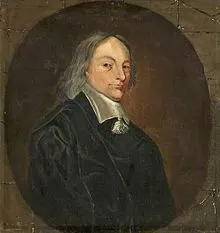 Sir Thomas Richc. 1601-1667
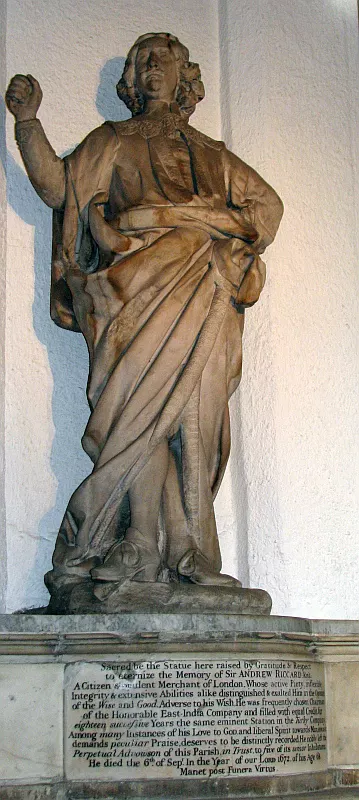 Sir Andrew Riccard1604-1672
 Sir Edward Winter1622–1686
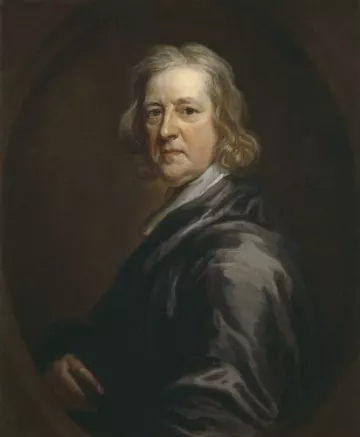 Thomas Papillon1623–1702
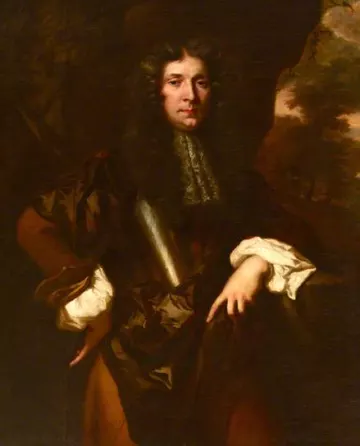 Sir John Banks1627-1699
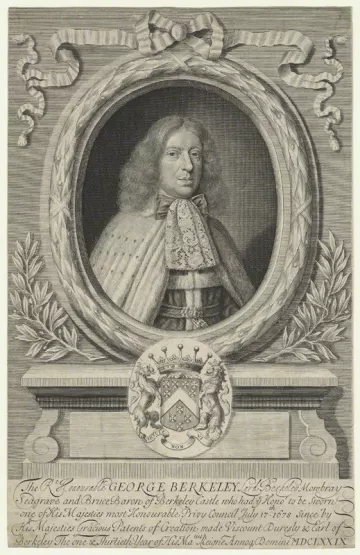 George Berkeley, 1st Earl of Berkeley1628 – 1698
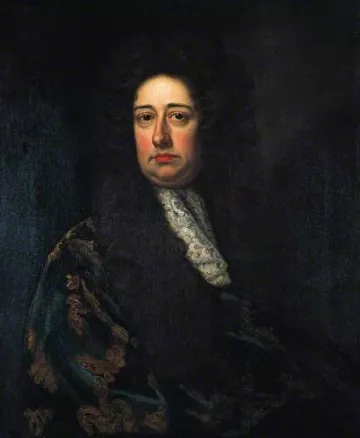 Sir James Houblon1629-1700
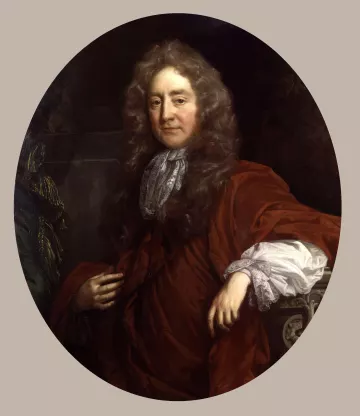 Sir Josiah Child1630-1699
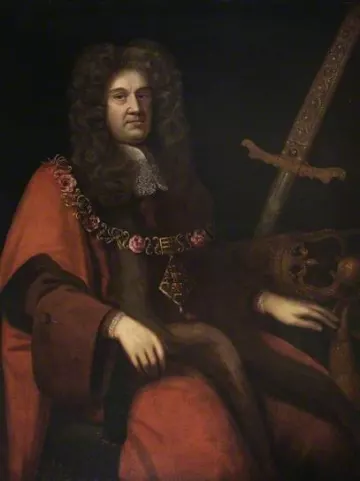 Sir John Houblon1632–1712
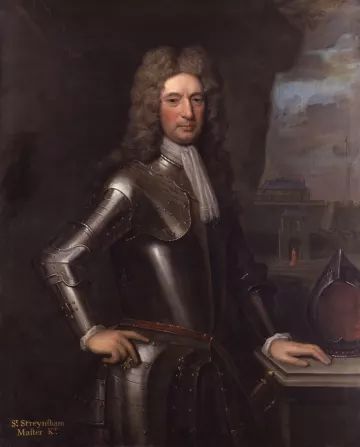 Sir Streynsham Master1640-1724
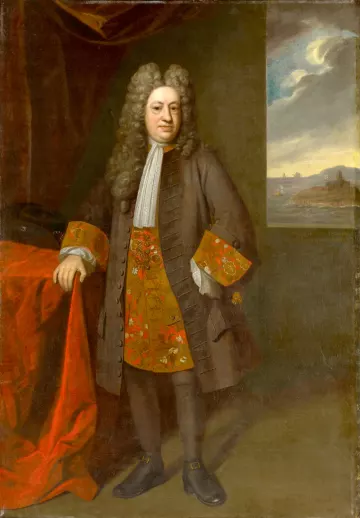 Elihu Yale1649-1721
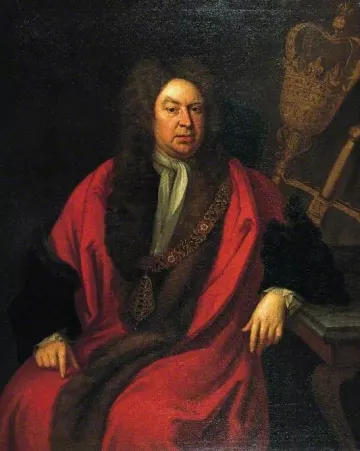 Sir Gilbert Heathcotec 1651-1733
 Thomas Pitt1653-1726
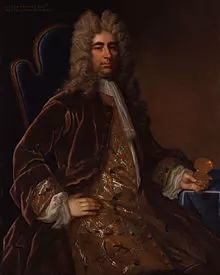 James Craggsc. 1657-1721
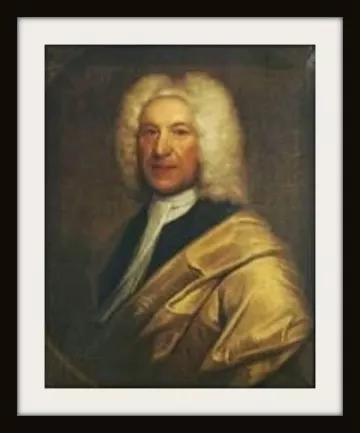 Thomas Twining1657-1741
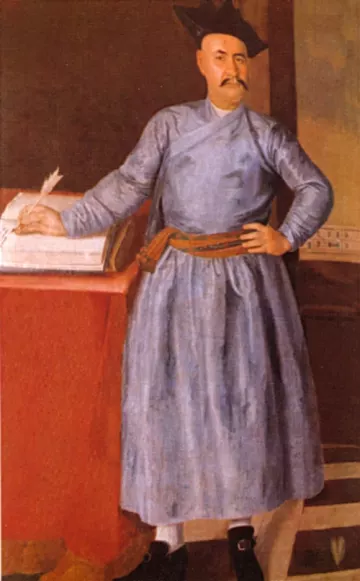 Coja Petrus Uscan1680/81–1751
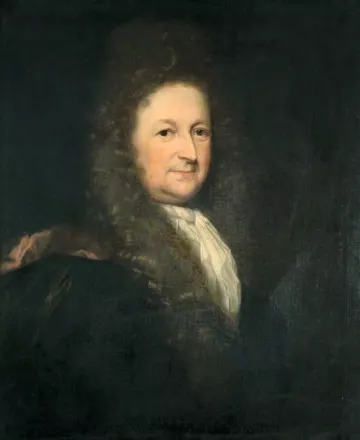 Sir Richard Levettd. 1711
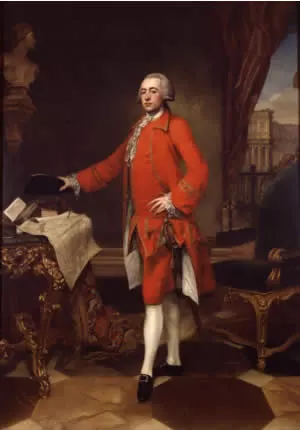 Peter Du Cane1713-1803
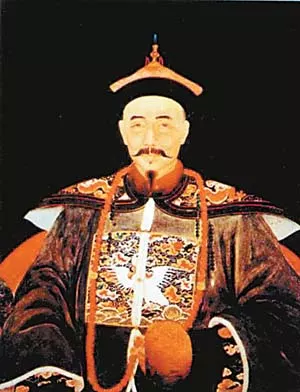 Pan Zhencheng1714-1798
 George Pigot1719-1777
 Sir Richard Hotham1722 – 1799
 Robert Clive1725-1774
 Francis Light1740-1794
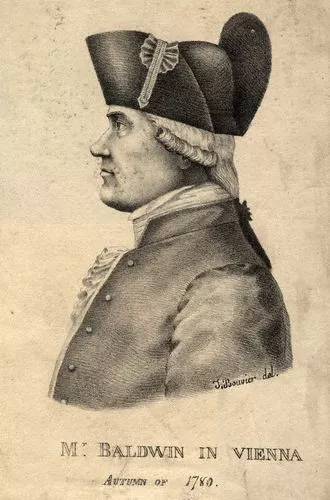 George Baldwin1744-1826
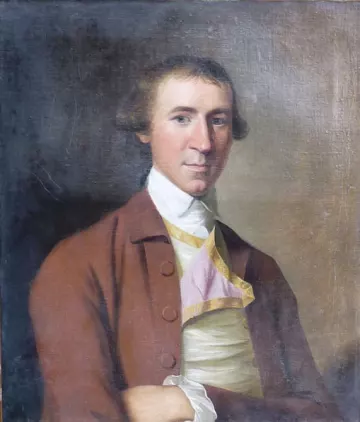 David Scott1746-1805
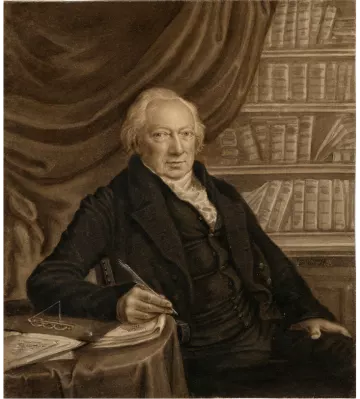 John Prinsep1746-1830
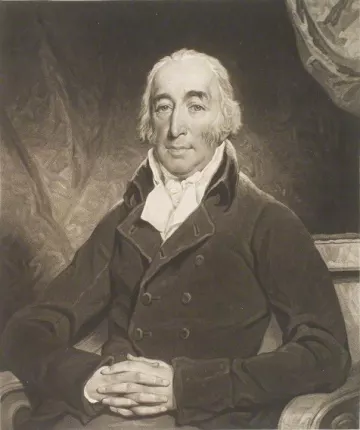 Richard Twining1749-1824
 Abraham Goldsmid1756-1810
 John Owens1790-1846
More lives in this room
- Sir Stephen Soame c. 1544-1619
- Sir Thomas Myddelton 1550-1631
- John Eldred 1552 -1632
- Richard Wyche 1554-1621
- Samuel Backhouse 1554–1626
- John Mildenhall 1560-1614
- Robert Bateman 1560-1644
- John Delbridge 1564–1639
- Sir Maurice Abbot 1565-1642
- William Holliday c. 1565-1624
- Thomas Banister died 1571
- Thomas Mun 1571-1641
- Sir Henry Garraway 1575-1646
- Gabriel Towerson 1576-1623
- Anthony Abdy 1579–1640
- John Saris c. 1580-1643
- Nathaniel Courthope 1585-1620
- Shantidas Jhaveri 1587-1659
- Antonio Fernandez Carvajal c.1590– 1659
- Sir Abraham Reynardson 1590-1661
- Virji Vora c. 1590-1670
- William Methwold 1590-1653
- John Evelyn 1591–1664
- Peter Mundy 1596- c.1667
- Sir John Frederick 1601-1685
- Francis Day 1605–1673
- Nathaniel Wyche 1607-1659
- Bhimji Parekh 1610-1686
- Thomas Greenhill c. 1611-1658
- Henry Chowne c. 1613 – 1668
- John Jolliffe 1613-1680
- Sir Henry Middleton d. 1613
- William Finch died 1613
- Sir William Vincent c 1615 - 1661
- Aaron Baker 1620-1683
- Sir George Bolles d. 1621
- Job Charnock c. 1630–1693
- Sir Daniel Harvey 1631-1672
- William Hedges 1632-1701
- Ralph Freeman died 1634
- Rustamji Manekji 1635-1721
- John Pollexfen 1636–1715
- Sir Joseph Herne c 1639-1699
- Matthew Cradock d. 1641
- William Spurstow died 1644
- Robert Fotherby d. 1646
- Samuel Shepheard c. 1648-1719
- Andrew Cogan 17th century
- Benjamin Levy c. 1650-1704
- Beri Thimappa 17th century
- Chikka Serappa late 17th - early 18th century
- Hari Vaishya 17th century
- Hâjî Zâhid Beg 17th century
- John Langley 17th century
- John Newbery 17th century
- Kelavi Chetti late 17th - early 18th century
- Khojah Israel Sarhad late 17th - early 18th century
- Khojah Phanoos Kalandar 17th century
- Shri Nima Parekh 17th century
- Sir Gregory Page 1650
- Thomas Ivie 17th century
- William Gyfford 17th century
- Sir Basil Firebrace, 1st Baronet 1652-1724
- Francis Levett 1654-1705
- Sir William Russell, 1st Baronet of Chippenham d. 1654
- Alvaro Da Fonseca c. 1657–1742
- Isaac Sardo Abendana c. 1662–1709
- Moses Mendes da Costa c. 1669 - 1747
- Arjunji Nathji c. 1680-1760
- Kasi Viranna d. 1680
- Beri Pedda Venkatadri d. 1683
- Khojah Minas d. 1686
- Jacques Paiva d. 1687
- Alangatha Pillai d. 1689
- Sir John Child d. 1690
- Abraham Navarro d. c. 1692
- Bartholomew Rodrigues d. 1692
- Lovji Nusserwanjee Wadia 1702–1774
- Edward Littleton d. 1705
- Sir John Boyd 1718-1800
- James Flint b.1720
- Robert Gregory 1727-1810
- Rama Kamath d. 1728
- James Alexander 1730-1802
- Khwaja Wajid fl. 1740-1760
- Paul Benfield 1742-1810
- Joseph Cotton 1745-1825
- John Henry Cox 1750-1791
- Richard Thornton 1750
- Shrikrishna Travadi 1750-1822
- Tan Suqua 18th century
- William Holland c 1750-1836
- John Farquhar 1751-1826
- Suetonius Grant Heatly 1751–1793
- Tan Hunqua d. 1760
- Consentia Gigua d. 1765
- Omichund d. 1767
- William Barwell d. 1769
- Avadhanum Paupiah fl. 1789-1790
- Samuel Abraham d. 1792
- Charles Alexander Bruce 1793-1871
- Suncoo Chinna Kistnama Chetti d. 1800, Madras