Museum / Rooms / Trade with West Indies
Room · 7 chapters · 193 lives
Trade with West Indies
European exploitation and trade with Americas
Reaching East by sailing West
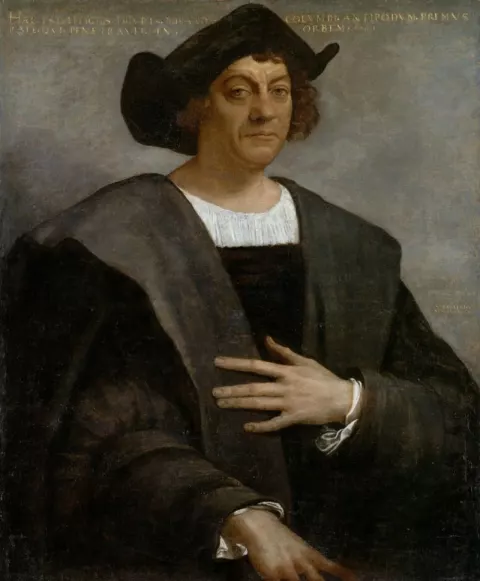
Trade with the West Indies started with Christopher Columbus’ discovery of Americas. In 1492 he was sponsored by the Spanish monarchs, Ferdinand of Aragon and Isabella of Castile, to find a new maritime route to Asia. The idea was to reach Asia and its markets by sailing west.
Both Columbus and the monarchs saw a possibility of enormous profit from the discovery. Spain would become leading economic power because it would claim the fastest and the safest route to much sought Asian goods, while Columbus was allowed to keep 10 percent of whatever riches he found, along with a noble title and the governorship of any lands he should encounter.
Unexpected encounter
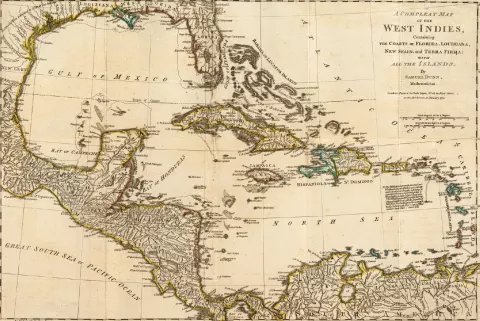
Columbus’ intention to find new maritime route to India by sailing west is the reason for the term West Indies. After 36 days of sailing, on October 12, Columbus’ expedition sighted land on one of the Bahamian islands. Since Columbus thought he arrived in Asia, the area became known as the West Indies. Generally the term refers to the area between Florida and the northern coast of South America but some companies like the Dutch West India Company had colonies and trading rights up to New York.
Spain and Portugal
During the 16th century Spain and Portugal were dominant powers concerning ocean trade. Portugal initially focused more on East Indies, but from the early 17th century - due to its loss of primacy in East Indian trade - it turned its attention to West Indies and especially to Brazil. Spain was the first to start trading with the West Indies and had imposed total monopoly on trade with the New World.
However, in the process Spain made a fatal error. Since it was more concentrated on exploiting the natural resources of the colonies and had neglected import of goods which colonies needed, merchants from other nations found a way to participate in this trade.
Others
In the 17th century Netherlands, Sweden, Denmark, France, and England started to take greater part in trade with West Indies. Each country except England organized a company with exclusive rights of trade in this part of the world. Their principal activity was trade, but they also established colonies, and were much engaged in privateering.
Triangle trade
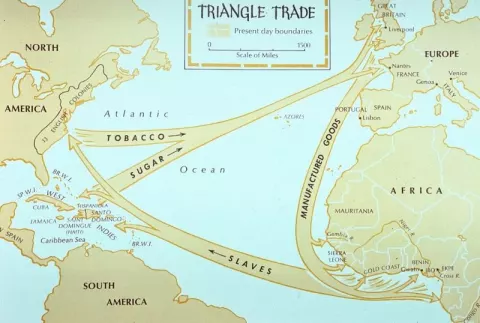
Between the late 16th and early 19th centuries the aforementioned European powers were involved in a trading pattern called the triangular trade. European goods were brought to Africa to be exchanged for slaves which were traded for colonial goods in Americas to be shipped and sold in Europe. Since each stage had its own cargo, the European merchants were able to realize profit at each stage of a single voyage. This profit allowed merchants in Europe and partly the Americas, to finance the Industrial Revolution.
Columbus died in belief that he discovered a western route to India, as was his intention. Because of his beliefs the Caribbean Sea area came to be known as the West Indies.
The main target of privateering activities were Spanish treasure fleets, loaded with American silver and gold bound for Europe.
The wealth imported from Spanish colonies eventually ruined Spain’s economy, since industry and trade, both foreign and domestic, were neglected.
Chapters
The West Indies
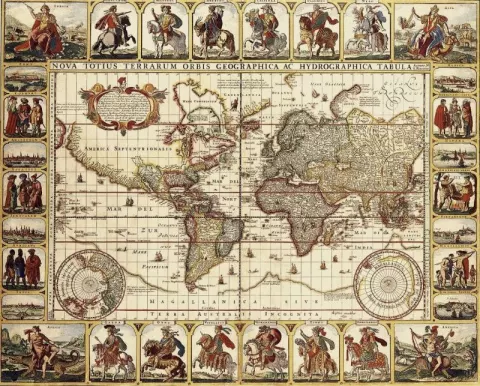
The beginning of the 16th century saw a turnover in world commerce. Due to geographical discoveries the world’s commerce was shifted from old trade routes to new ones. New discoveries and routs also meant new leaders. Old economic powers such as Italian states in the South, and Hanseatic League in the North, were replaced by the states with direct access to Atlantic Ocean – Spain, Portugal, France, England and Dutch Republic. Overland Silk Road route that stretched throughout Asia and brought Asian goods to European waters was now replaced with ocean trade. European desire for eastern goods led them west.
In hope of reaching India by traveling west, Columbus discovered new lands. Although he discovered new continents, he died in belief that he discovered a western route to India, as was his intention. Because of his beliefs the Caribbean Sea area came to be known as the West Indies.
Foreign trade also became a focal point of national trade policy, of course until it did not inflicted damage to domestic industry. Governments assisted the foreign trade primarily by the creation of state monopolies for commercial traffic and navigation between the metropolis and its colonies as well as monopolies for coastal sailing. One way of stimulating the trade were benefits for shipbuilding and shipping, such as rewards for building ships in domestic ports or higher taxes for foreign ships and merchandise. Some of the countries such as England, France, Spain and Sweden even forbade imports except on domestic ships or on the ships from the country where the goods were produced. In later periods colonies were not established just for the exploitation of natural resources but were now looked as a market for selling the good from the governing country.
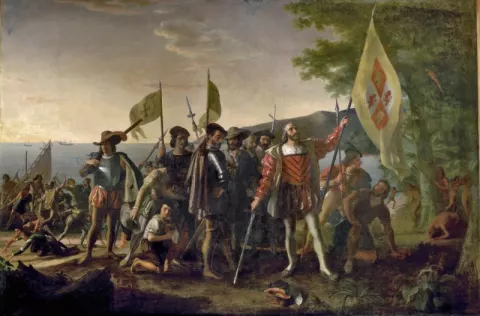
Christopher Columbus discovers The Americas for Spain ( 12 October 1492), painting by John Vanderlyn.
The period from 16th to 18th century in the world commerce can be divided to two sub-periods: the first is the 16th century when Spain and Portugal are the powers holding oceans and trade, and the second from early 17th to late 18th century when the dominant powers are England and Dutch Republic. By the end of the 18th century England was undisputed ruler of oceans and trade.
Portugal
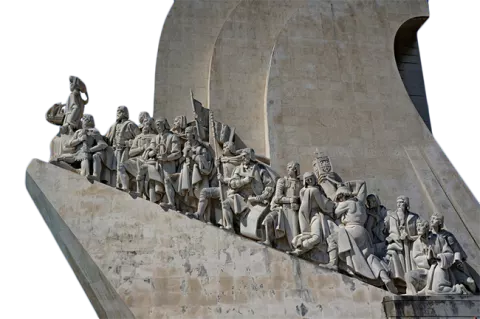
As most of the early discoveries were funded by Spain and Portugal it was only natural that these states were the first colonial and trading powers in the early modern age. Portugal was more attracted to trade with south and southeast Asia (East Indies) then to focus on the West Indies.
During the 16th century they were masters of colonial goods such as spices and exotic fabric but in the 17th century they were almost entirely expelled from East Indian trade by the Dutch and the English. This made them to turn to their West Indies possessions, namely Brazil.
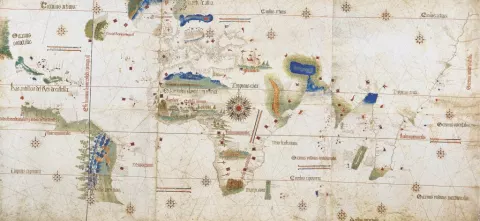
The Cantino planisphere world map is the earliest surviving map showing Portuguese geographic discoveries in the east and west. It is named after Alberto Cantino, an agent for the Duke of Ferrara, who successfully smuggled the map from Portugal to Italy in 1502
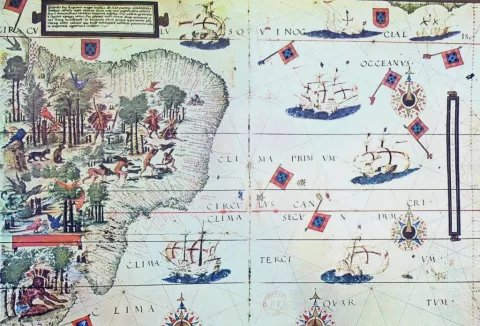
There they erected plantations of sugar, coffee and tobacco, and in later period they started to exploit Brazil’s gold. Just how important was Brazil to Portugal can be seen from the fact that by the end of the 17th century quarter of Portugal’s income derived from Brazil and the amount of trade with it was equal to the amount of trade with all other countries.
Spain
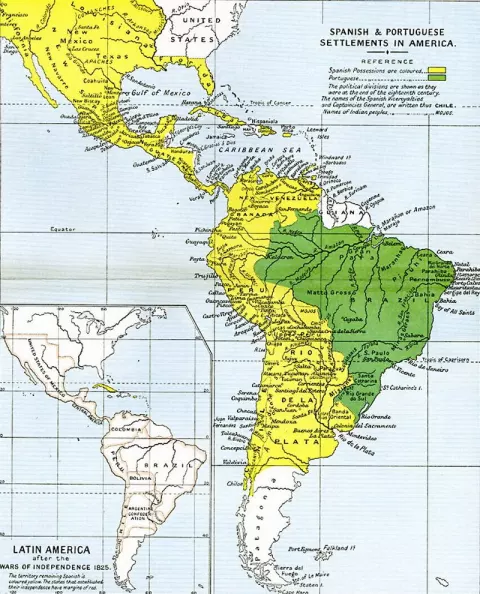
Spain was the first country that started to trade with West Indies, although they were mainly interested in exploiting the country’s gold and silver. Their obsession with precious metals started already with Christopher Columbus (1451-1506). On the first island he came, San Salvador, he noticed that natives wear gold jewelry and he traded them for worthless things. Spaniards sacked and destroyed old civilizations in their lust for gold but they also tried to monopolize the whole trade with new territories. They even divided the word by half. According to Treaty of Tordesillas, signed on June 7, 1494, Spain had the exclusive right to all the territories west of the demarcation line in the Atlantic Ocean, and Portugal east of the line. The Treaty was even sanctioned by the pope Julius II in 1506.
The Spaniards tried to impose monopoly to West Indies trade without any exception. All the products from the colonies were to be sent to Spain, the goods needed in colonies could only be imported from Spain and only the Spanish merchants were allowed to engage in commerce with their colonies.
The monopoly that Spain tried to impose was already broken by the middle of 16th century. Spanish merchants gave all of their attention to precious metals and other commodities from colonies, and the commodities the colonies needed, were not in their sphere of interest. This kind of attitude inevitably led to smuggling by merchants of other nations. French, English, and Dutch merchants in Spain had agreements with Spanish merchants to sign theirs bills of lading and to present it as theirs (Spanish) with the officials. The wealth imported from Spanish colonies eventually ruined Spain’s economy, since industry and trade, both foreign and domestic, were neglected.
Dutch
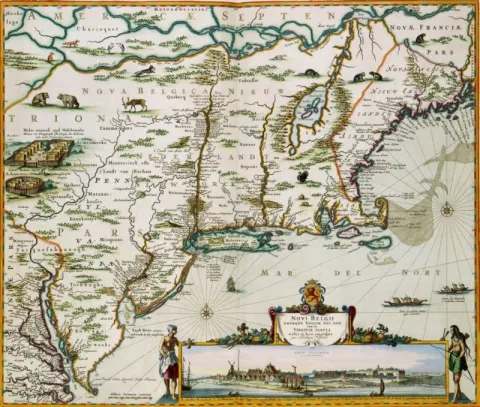
Map of the New Netherland published by Nicolaes Visscher II (1649-1702).
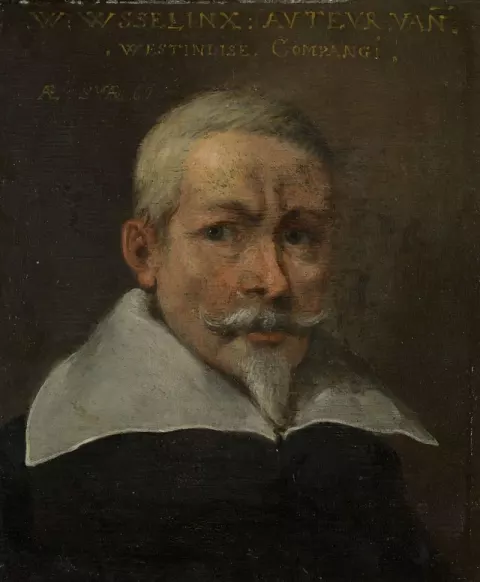
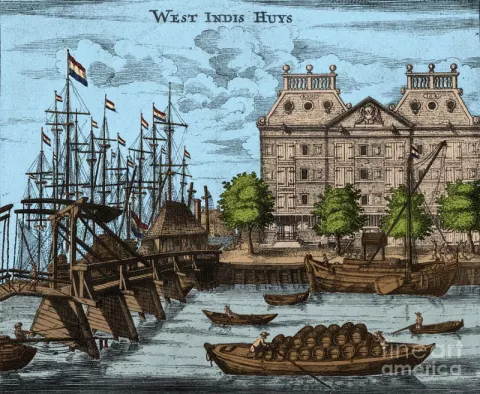
One of the companies created to trade with West Indies was the Dutch West India Company, “Geoctroyeerde Westindische Compagnie” (WIC). On June 3, 1621, it was granted a charter for a trade monopoly in the West Indies – territories consisted of the west coast of Africa, North and South America and the islands in the Pacific east of New Guinea.
New Netherland (Latin: Nova Hollandica or Novum Hollandium) was a 17th-century colonial province of the Seven United Netherlands that was located on the East Coast of North America. The claimed territories extended from the Delmarva Peninsula to extreme southwestern Cape Cod, while the more limited settled areas are now part of the Mid-Atlantic States of New York, New Jersey, Delaware, and Connecticut, with small outposts in Pennsylvania and Rhode Island.
It was organized similarly to the much more successful Dutch East India Company (VOC). It had five chambers: in Amsterdam, Rotterdam, Hoorn, Middelburg and Groningen, of which the chambers in Amsterdam and Middelburg contributed most to the company. The board consisted of 19 members, known as the Heeren XIX (the Lords Nineteen). The original charter was set at 24 years. Although the principal activity of the company was trade, it established colonies, mostly on the expense of the Portugal, and was engaged in privateering.
Colonies managed by the WIC included the New Netherland area from 1623, which included New Amsterdam (present-day New York), Connecticut, Delaware, and New Jersey. A combination of low Dutch immigration, autocratic administration, and under-investment, however, damaged the ability of New Netherland to compete with the neighboring English colonies, and it was ceded to the English in 1667. The Company established and managed several settlements on Caribbean islands, and Suriname and Guyana at Caribbean coast. In Africa, posts were established on the Gold Coast (now Ghana), the Slave Coast (now Benin), and briefly in Angola. Company’s ports on the west African coast served mostly to supply slaves for plantations in the West Indies and South America.
Privateering was another well-developed activity of the WIC. The main target of privateering activities were Spanish treasure fleets, loaded with American silver and gold bound for Europe. The biggest success on that field was achieved in 1628 when the WIC’s fleet under the command of the admiral Piet Hein captured 12,000,000 guilders of booty in gold, silver, and other expensive trade goods. Due to the Peace of Westphalia (1648) that ended the Eighty Years' War (1568–1648) between Spain and the Dutch Republic the hijacking of Spanish ships was no longer allowed.
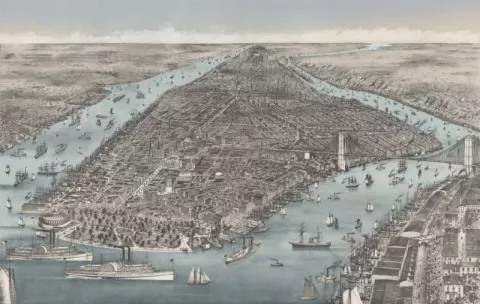
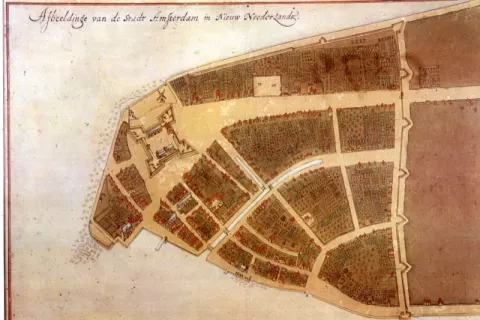
The original city map of New Amsterdam called Castello Plan from 1660. New Amsterdam was a 17th-century Dutch settlement established at the southern tip of Manhattan Island, which served as the seat of the colonial government in New Netherland territory. It was renamed New York on September 8, 1664, in honor of the then Duke of York (later James II of England) after it was traded to the English along with the rest of the Dutch colony in exchange for control of the Spice Islands.
From then on company was in decline and was dissolved in 1674. Because there was still demand for trade with West Indies (mostly slave trade) and the existence of Dutch colonies it was decided to establish the Second Chartered West India Company (also called New West India Company) in 1675. The new WIC had the same trade area as the first, and it took over all ships, fortresses, etc. of the previous WIC. The final blow to the WIC was inflicted during the Fourth Anglo-Dutch War (1780-1784). The company was not capable of defending its own colonies and many were lost. In 1791, the company's stock was bought by the Dutch government, and on January 1, 1792, all territories previously held by the WIC reverted to the rule of the States General of the Dutch Republic.
Northern Europe
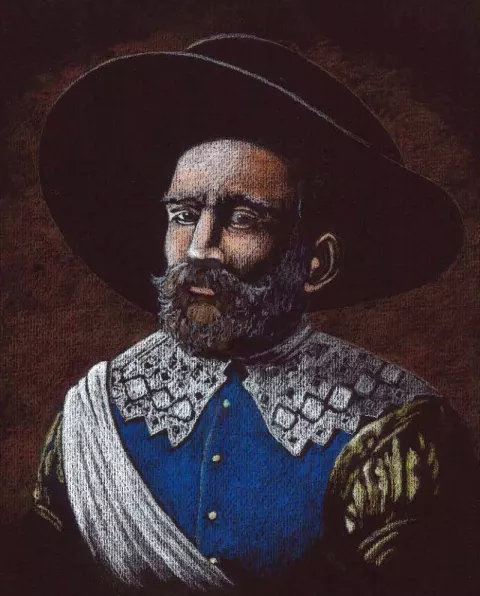
The Swedish company for trade with West Indies was in close, although informal, connection with the WIC. The strong supporters and advocates with the Swedish government to found the company were former high officials of the WIC, Peter Minuit and Samuel Blommaert
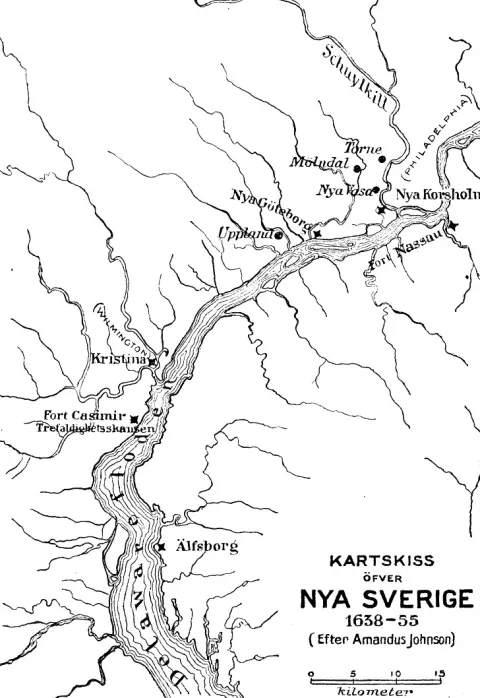
The charter began in 1637 with the principal aim of establishing trading posts and colonies in North America. The territories claimed by the company were known as New Sweden and were located in the Delaware region. However the history of New Sweden was relatively short since it was conquered by the Dutch in 1655.
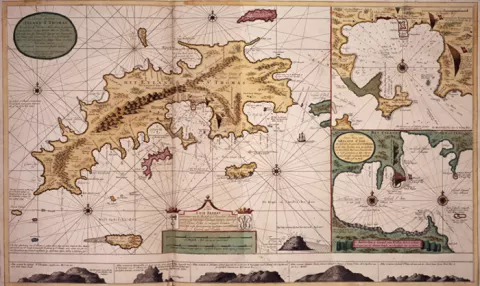
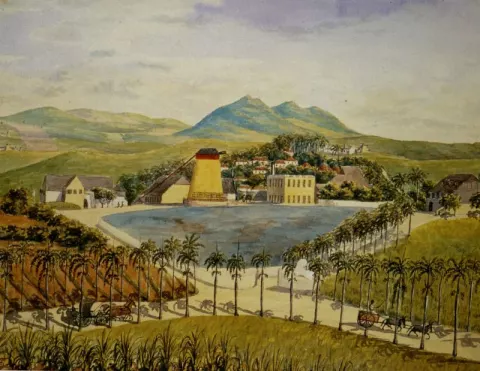
Danes were also active in trade with West Indies and in 1671 the Royal Chartered Danish West India and Guinea Company was founded. The Company was given a royal charter, granting it a national monopoly as well as several other favors. The company traded between Europe, Africa and the Danish West Indies that included islands St. Thomas, St. John, and St. Croix.
It was involved in triangular trade: European manufactured goods were traded in Africa for slaves and in the Danish West Indies for colonial goods; slaves were traded in West Indies, and the colonial goods, mostly sugar, were sold in Europe. Eventually sugar plantation owners became dissatisfied with the Company’s monopoly and they appealed directly to the King, after which the Company was dissolved in 1754.
France
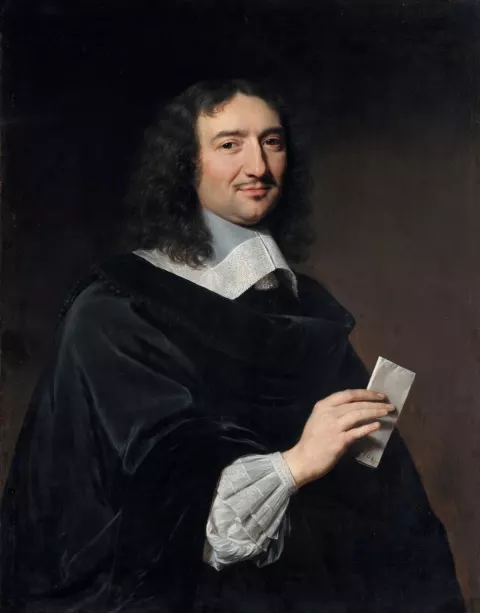
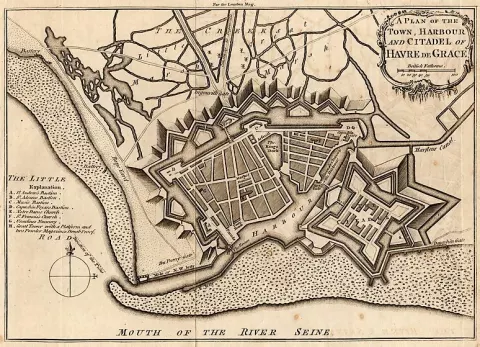
In the 17th century France also decided to take her share of profit from international trade by establishing chartered companies. Especially Jean-Baptiste Colbert, Minister of Finances of France, devoted much of his energy to the reorganization of industry and commerce. With this in mind he founded several trading companies in 1664. One of them was The French West India Company or “Compagnie française des Indes occidentales”. It was established on May 28, 1664, and its seat was in La Havre.
Its charter gave it the exclusive right of exploitation of Africa between Cabo Verde and Cape of Good Hope, property of Louisiana, Acadia, the Antilles, Cayenne, and of South America, from the Amazon to the Orinoco. The exclusive privilege of commerce in those places was granted for forty years.
The stock of the company was 6 million livres and in less than 6 months it equipped 45 vessels. The company took possession of all the places granted to it by its grant but was unsuccessful. The French in America were so dissatisfied with the company’s policy that they favored Dutch contraband. In 1674, the grant was revoked and the various countries were reunited to the King's dominions, as before.
England
Thanks to its trade and colonialism England became the leading maritime power. Although it had one of the most successful companies in the world, the English East India Company (EIC), it newer chartered a sister company, or the West India Company. The EIC had a monopoly on huge area in Indian Ocean and east part of the Pacific.
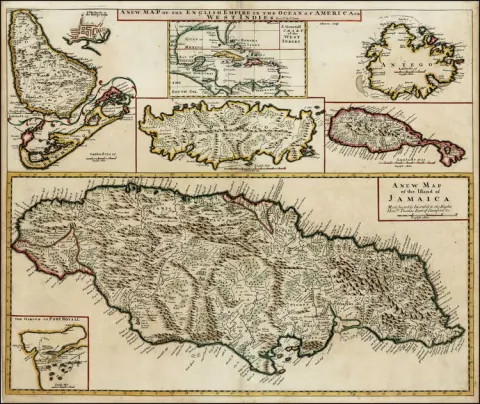
Trade with the West Indies was never under the state granted monopoly of specific company with such a huge area. It was conducted by individual traders and chartered companies with much more smaller area of operations. Among these companies were Virginia Company and Plymouth Company, both chartered by the English crown in 1606 to colonize the eastern coast of North America. The companies even had overlapping territory.
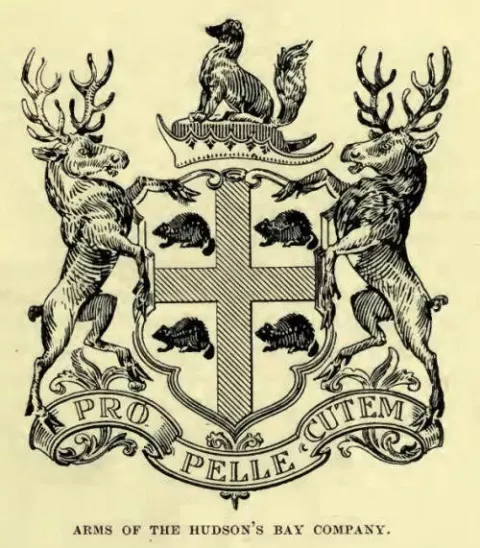
In 1615 the Somers Isles Company was formed to operate the English colony of the Somers Isles, also known as Bermuda, as a commercial venture. Some of the other companies were the Hudson's Bay Company founded in 1670 with a monopoly over the region drained by all rivers and streams flowing into Hudson Bay in northern Canada and the South Sea Company founded in 1711 with the trade monopoly to South America.
193 lives in this room
 Leif Erikson11th century
 Amerigo Vespucci1451-1512
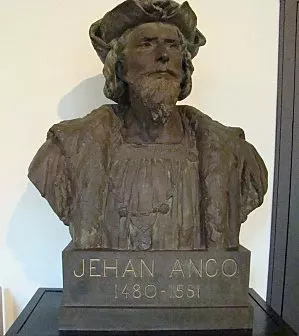 Jean D’Angoc. 1480-1551
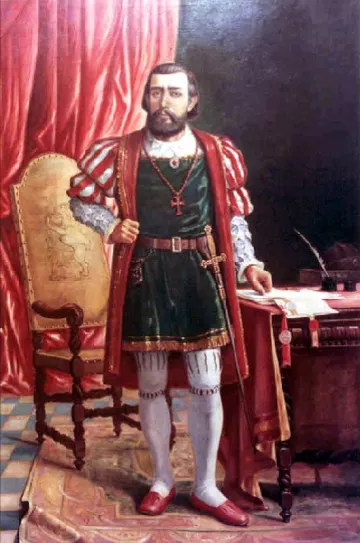 Martim Afonso de Sousac. 1500-1564
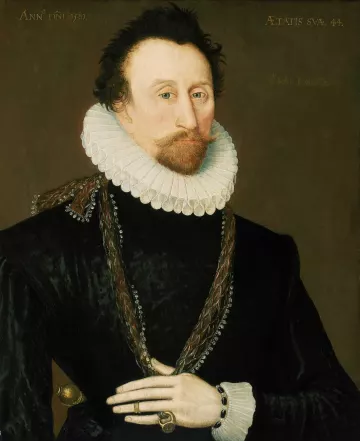 Sir John Hawkins1532-1595
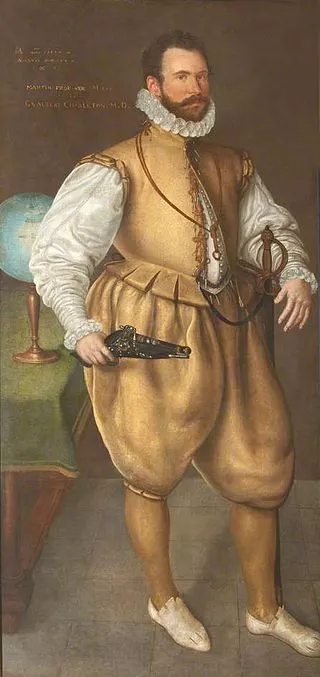 Sir Martin Frobisherc. 1535-1594
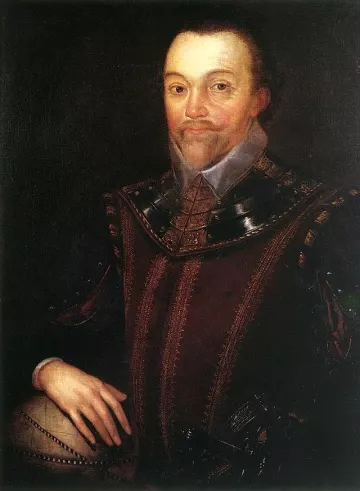 Francis Drakec. 1540-1596
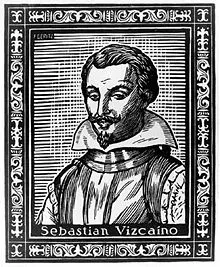 Sebastián Vizcaíno1548–1624
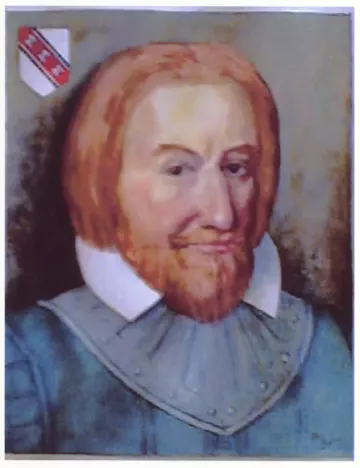 Edward Maria Wingfield1550-1631
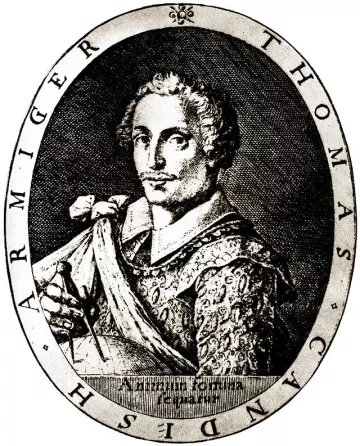 Sir Thomas Cavendish1560-1592
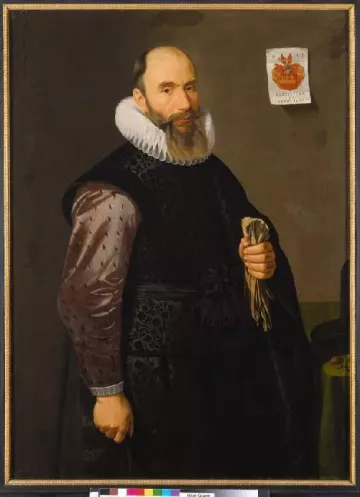 Lambert van Tweenhuysen1564-1625
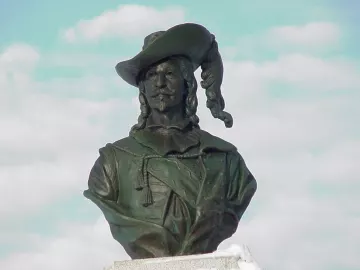 Pierre Du Gua de Montsc. 1564-1628
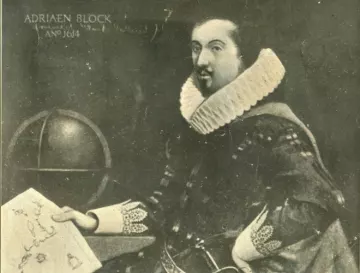 Adriaen Blockc. 1567-1627
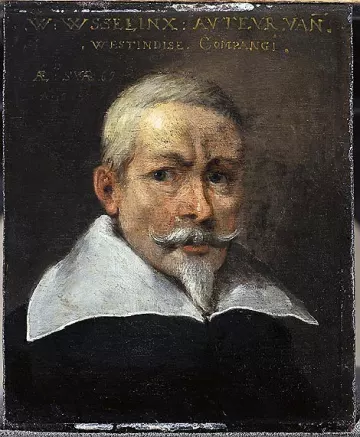 Willem Usselincx1567-1647
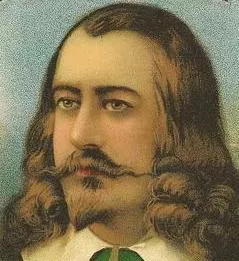 John Carverc. 1576-1621
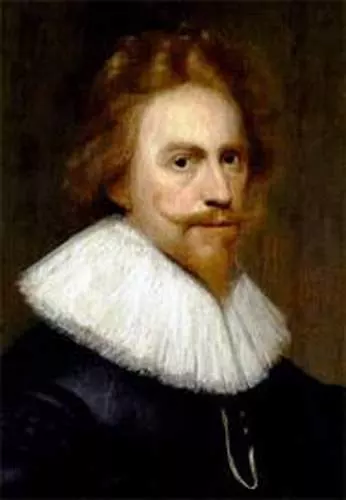 Cornelius Jacobsen Mayb. c. 1580
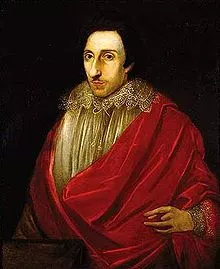 George Percy1580-1632
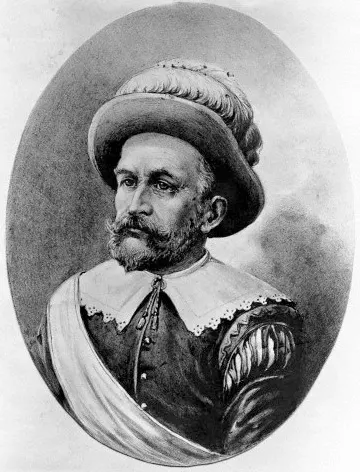 Peter Minuitc. 1580-1638
 Joannes de Laet1581-1649
 Sir Thomas Roe1581-1644
 Pierre Bélain, sieur d’Esnambuc1585-1636
 Isaac Allertonc.1586–1659
 Kiliaen van Rensselaerc. 1586-1643
 Johan Björnsson Printz1592-1663
 Peter Stuyvesantc. 1592-1672
 David Pieterszen de Vries1593-1655
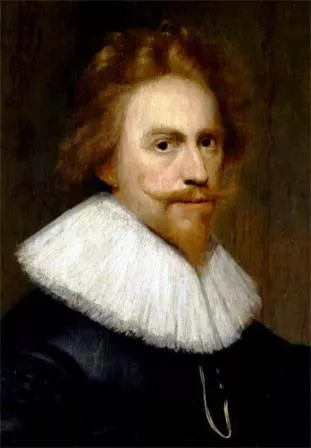 Willem Kieft1597-1647
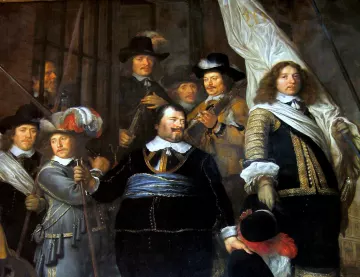 Joan Huydecoper van Maarsseveen1599-1661
 Margaret Brentc. 1600— c.1669
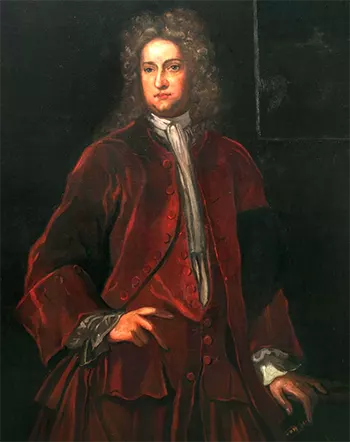 William Berkeley1605-1677
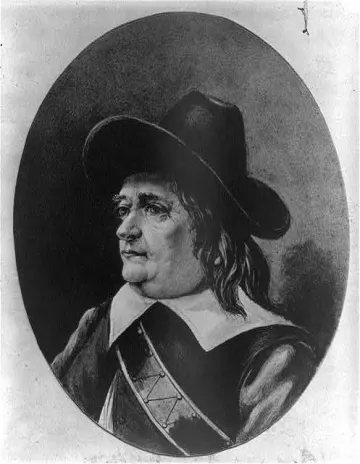 Wouter van Twiller1606-1654
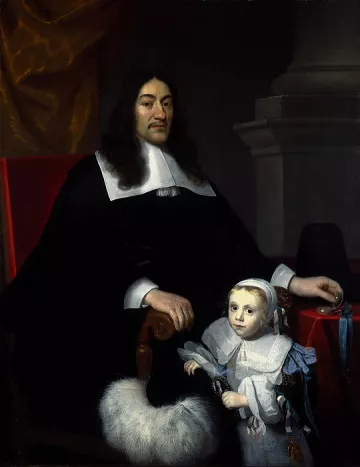 Sir William Davidson of Curriehill1615-1689
 Adriaen Cornelissen van der Donckc. 1618-1655
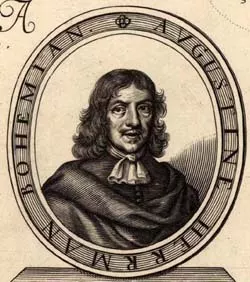 Augustine Herrmanc. 1621-1686
 Sir Thomas Gatesd. 1622
 Jan Valckenburgh1623-1667
 Frederick Philipse1626-1702
 Robert Spencerd. 1627
 Philip Pieterse Schuyler1628-1683
 John Guydied 1629
 Sir John Houblon1632–1712
 Jacques Babiec. 1633-1688
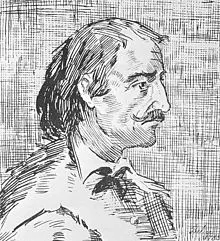 Pierre-Esprit Radisson1636–1710
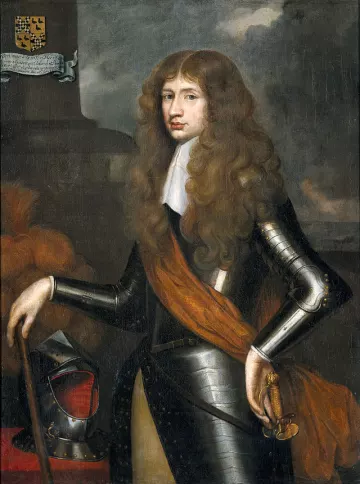 Cornelis van Aerssen van Sommelsdijck1637-1688
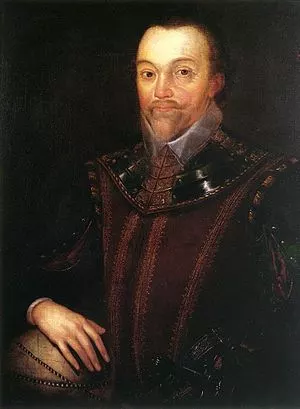 Jørgen Iversen Dyppel1638-1683
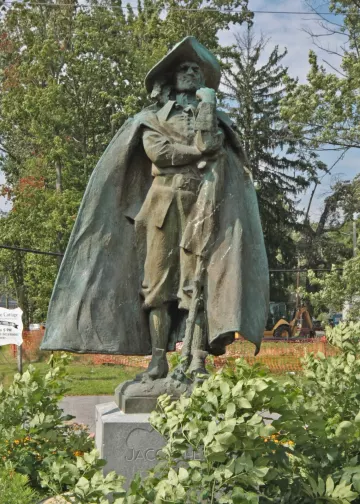 Jacob Leislerc. 1640 – 1691
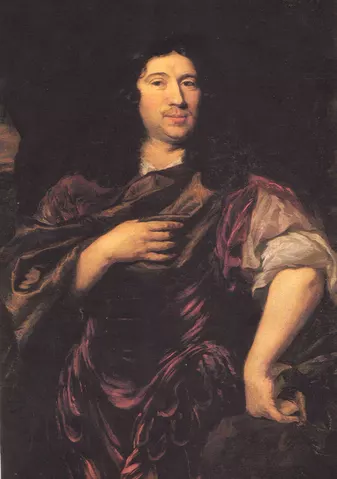 Jørgen Thormøhlensc. 1640-1708
 Jan Jansen Bleecker1641-1732
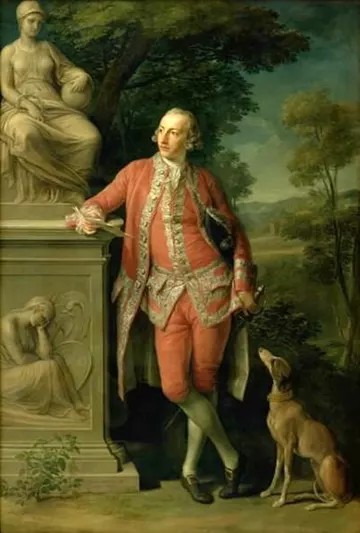 Peter Beckford the Elder1643-1710
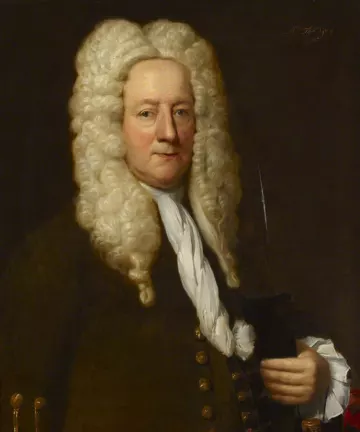 Thomas Guy1644–1724
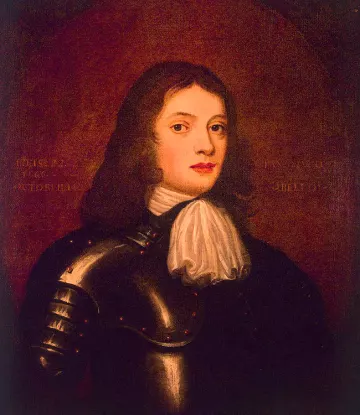 William Penn1644-1718
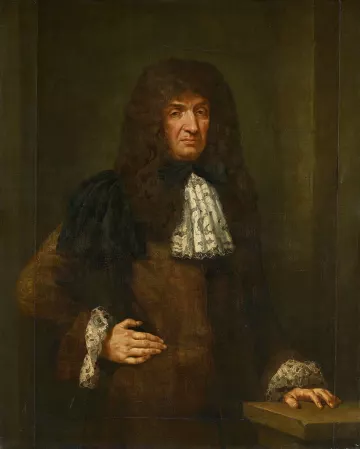 Antonio Lopez Suasso1650
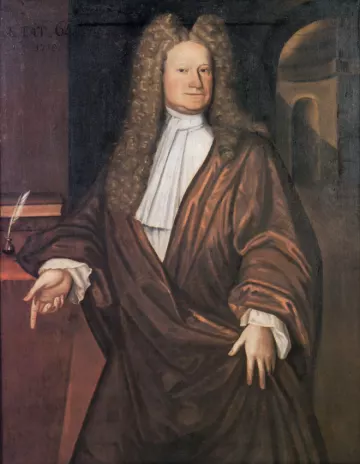 Robert Livingston the Elder1654-1728
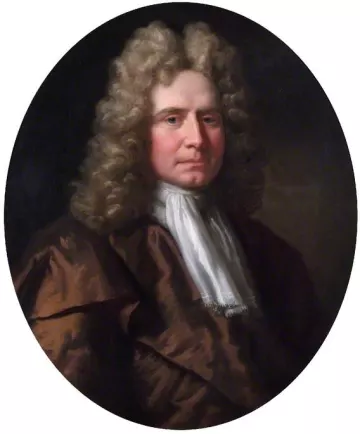 Humphry Moricec. 1671-1731
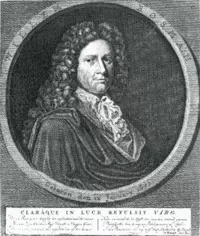 Willem Bosman1672 – 1703
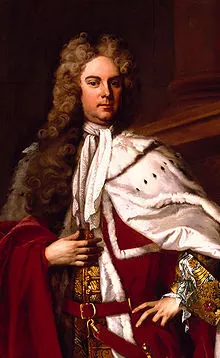 James Brydges, the Duke of Chandos1673-1744
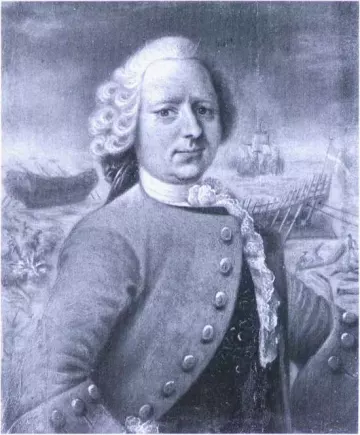 Andreas Bjørn1703-1750
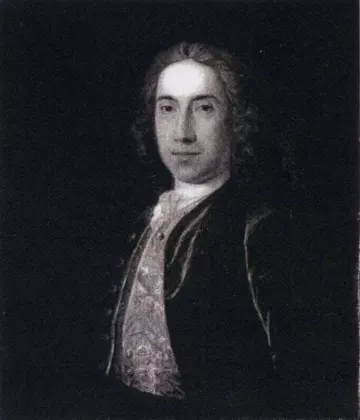 Richard Oswald1705-1784
 William Beckford1709-1770
 Sir Richard Levettd. 1711
More lives in this room
- Richard Amerike c. 1445–1503
- William Weston c. 1445-1504
- Pedro Álvares Cabral 1450
- Robert Thorne the Elder 1450
- Fernão de Loronha c. 1470 - c. 1540
- Hugh Eliot fl. 1480-1510
- Juan Pablos c. 1500- c. 1561
- Juan Antonio Corzo Vicentelo c. 1517 - 1587
- John Jay died 1528
- John Watts c. 1550-1616
- Pierre Chauvin de la Pierre 17th century
- Richard Hore 16th century
- Diego Caballero died 1560
- François Gravé Du Pont 1560-c.1629
- Anthony Parkhurst fl. 1561-1583
- Samuel Godin 1561-1633
- Sir Richard Whitbourne b. 1561
- John Delbridge 1564–1639
- Sir Maurice Abbot 1565-1642
- Diego de Vega b. 1570
- Nicolás de Cardona c. 1570 - c. 1625
- Bartholomew Gosnold 1571-1607
- Sir William Courteen 1572-1636
- Edward Bennett 1577- c. 1651
- Wolphert Gerretse 1579-1662
- Étienne Bellenger fl. 1580–84
- Samuel Blommaert 1583-1651
- Antonio Fernandez Carvajal c.1590– 1659
- Michael Reyniersz Pauw 1590-1640
- David Lomeron b. 1591
- John Evelyn 1591–1664
- Nicolas Denys 1598-1688
- Cornelis Melyn 1600 – c. 1662
- Johannes van Walbeeck c. 1601 - after 1649
- Pierre de Chauvin de Tonnetuit died 1603
- Tomys Swartwout 1607-1660
- William Colston fl. 1610–1612
- Robert Sedgwick c.1611-1656
- Martin d'Aprendestiguy 1616-1686
- Médard Chouart des Groseilliers 1618–1696
- François Doublet 1619-1678
- Antonio Rodriques da Robles b. c. 1620 - 1690
- Leendert Phillipse Conyn 1620-1704
- Sir Thomas Modyford c. 1620-1679
- Claude Charron de la Barre c. 1621-1687
- Jacob Janse c. 1622-1690
- Theodorick Bland 1629-1671
- Robert Aldworth died 1634
- David Pieterse Schuyler 1636-1690
- Jean-Baptiste Migeon de Branssat 1636-1694
- Dirck Wesselse Ten Broeck c. 1638-1717
- John Davie 1640-1710
- John Morgan c 1641-1715
- Matthew Cradock d. 1641
- Oliger Paulli 1644-1714
- William Freeman 1645-1707
- Abraham op den Graeff c. 1649-1731
- Benjamin Levy c. 1650-1704
- Hendrik Carloff 1650
- Sir Francis Eyles c.1650–1716
- William Paterson 1650
- Francis Levett 1654-1705
- Sir Theodore Janssen c. 1658-1748
- Lewis Moses c. 1660–1740
- John Freame 1665-1745
- Sir John Lambert 1666-1723
- Daniel Campbell c. 1671-1753
- Willem Hunthum d. before 1678
- Asser Levy d. 1681
- Volckert Janse Douw d. 1681
- David Barclay 1682–1769
- James Holloway died 1684
- Jacob Franks 1688-1769
- Aaron Louzada 1693/5-1764
- Jean Pellet 1694-1772
- Francois Viennay-Pachot died 1698
- Johan van Scharphuizen died 1699
- Sampson Gideon c. 1699– 1762
- James Gibson 1700 – 1752
- Samuel Touchet c. 1705-1773
- Claus Hansen d. 1706
- Alexander Speirs 1714-1782
- John Glassford 1715-1783
- Jacob Rodriguez Rivera 1717–1789
- Moses Franks 1718-1789
- Sir John Boyd 1718-1800
- Abraham Wagg 1719–1803
- Samuel Vaughan 1720-1802
- Thomas Lucas c.1720-1784
- John Strettell 1721-1786
- Heinrich Carl von Schimmelmann 1724-1782
- Jean-Joseph de Laborde 1724-1794
- Jan Pieter Theodoor Huydecoper 1728-1767
- David Barclay of Youngsbury 1729-1809
- Sir Richard Neave 1731-1814
- William Cuninghame 1731-1799
- Robert Morris 1734–1806
- Brook Watson 1735-1807
- John Brown 1736–1803
- Peter Thellusson 1737-1797
- Abraham Rawlinson 1738-1803
- John Wakefield 1738–1811
- Francis Baring 1740-1810
- Haym Salomon 1740–1785
- John Pinney 1740-1818
- Sir James Stirling c. 1740-1805
- Theophile Cazenove 1740-1811
- Armand Joseph Dubernad 1741-1799
- Aaron Levy 1742-1815
- Bryan Edwards 1743-1800
- James Dick 1743–1828
- Frans Suell 1744-1818
- Hercules Ross 1745-1816
- Jan Bernd Bicker 1746-1812
- Robert Milligan 1746-1809
- Abigail Minis 1750
- John Anderson 1750
- Marmaduke Hart 1750
- Stephen Girard 1750-1831
- William Dunbar 1750–1810
- Martín de Álzaga 1755-1812
- John Bolton 1756-1837
- John Meares c. 1756-1806
- George Hibbert 1757-1837
- Joseph Peabody 1757-1844
- Jacob Holm 1770-1845
- Peter Baillie 1771-1811
- Philip Miles 1773-1845
- Moses Lindo died 1774
- Isaac Hart d. 1780
- John Owens 1790-1846
- Cornelius Ludewich Bartels d. 1804
- Alexander Lindo died 1818