Museum / Rooms / Medieval trade
Room · 7 chapters · 166 lives
Medieval trade
In the name of God and profit
Commercial revolution
The outbreak of Crusades in the 11th century, which aim was to recover the Holy Land of Christendom from the Muslims, sparked the economic growth of the Medieval Europe which was often described as without precedence in human history.
The main protagonists of the commercial boost were maritime Italian city-states already owing merchant fleets and trade concessions in eastern Mediterranean.
Hot spots of medieval European economy
The Mediterranean and its leading trading powers the Venetian Republic and Florence, represented the first focal point, while the other was related to the North and the Baltic Seas and its main trading power the Hanseatic League. Between these two zones, on the halfway, were situated the famous Champagne fairs, a favorable meeting place of southern and northern travelling merchants from the mid-12th century until the beginning of the 14th century.
The Black Death which killed a third of Europeans from 1347-1349 left the survivors with higher incomes and greater wealth which were used for mundane pleasures.
Sedentary merchants and new business organization
After the French rulers burdened the land routes with high taxes the famous Champagne fairs lost their attractiveness in the late 13th century. Two great changes have arisen from it. The first was opening of a maritime route to Northern Europe through Straits of Gibraltar. Bruges, often called the “Venice of the North”, became a new commercial and financial center of northern Europe. The second was the emergence of the sedentary merchants who were able from their headquarters to operate business through network of permanent offices in European commercial centers, new form of partnerships and better business correspondence.
The word “bourse” entered the history thanks to the inn of the wealthy Van der Buerse family of Bruges, whose coat of arms bore three purses (bourses), where merchants met to manage their businesses.
Commodities that lured medieval man
European demand for Oriental luxuries was the main force of the medieval upswing. Although luxury products were not necessities of life, they made it more bearable and fashionable. Expensive clothes and items served as a status symbol of the rich much like today, while spices were widely used for pharmaceuticals and to mask the taste of rotten food in an era before refrigeration.
Since the northern European merchants could only offer unattractive and bulk commodities such as grain, timber, and salt, the Italians required from them to supplement their cargoes with silver and gold if they wanted to get luxury goods. .
Innovations that fostered business development
The greatest innovation of medieval time were bill of exchange, which was a means of transferring funds and making payments over long-distances without physically moving money, and the double-entry bookkeeping that allowed entrepreneurs to have better insight in their business affairs and contributed to the increase of profits.
The 15th century Ragusan merchant, diplomat, and humanist Benedetto Cotrugli was the first in history that explained method of double-entry bookkeeping in his book “Art of Trade”.
Financial instruments for carrying business ventures
The most frequent form of partnership used in land trade was “compagnia” (from “cumpanis” meaning “people who share or break bread together”) whose main features were unlimited liability of all partners and duration of several years after which the contract was renewed.
Since maritime ventures were characterized by greater risks, the entrepreneurs formed a limited liability “commenda” or “colleganzia” partnerships. The passive investor (“commendator”) lent the itinerant merchant (“tractator”) the capital required for enterprise. If the expedition failed, the financial loss was entirely on the investor, while the borrower lost only the value of his work. If successful, the investor recovered his loan and received ¾ of profit while travelling partner received ¼ of profit. It was used until the late medieval period when it was superseded by commission agencies and later by the more economically efficient form of joint stock companies.
Insurance loan invented in the 14th century Genoa provided medieval merchants with another means for diversifying risks.
Chapters
- Commercial centers
- Medieval businessman
- Commodities
- Fairs in Champagne
- Revival of medieval economy
- Business innovations
- Age of Discovery
Commercial centers
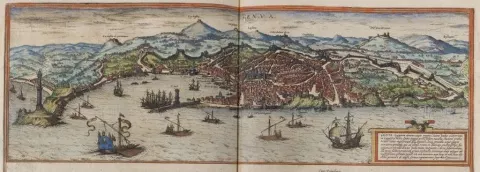
With the outbreak of Crusades in the 11th century the Italian city-states used their favorable geographical position between the prosperous Byzantine and Islamic economies on the East and growing European economies on the West to emerge as the greatest trading and banking superpowers of the medieval world.
The most famous Italian city-states were the land superpower Florence, and the maritime giants Venice, Genoa and Pisa. The improvement of compasses and other navigational instruments such as charts, enabled the Europeans to venture beyond the sight of land and during all seasons of year, instead of one journey so far.
Since Florence had no access to the sea, its focus on land trade was logic choice. It successfully emerged as the leading mercantile city in Europe and Florentine florin was the universal currency in international commercial and financial markets of Western Europe. Venice, Genoa and Pisa on other hand built a reputation of maritime superpowers with trade and shipping activities across the Mediterranean.
On the northern shores of Europe, the cities of the Hanseatic League fulfilled similar role as Italian city-states in its southern parts. German Hanseatic League achieved monopoly on almost all trade in Scandinavia, around the Baltic Sea and the North Sea, and is credited for creating the first international economy in northern Europe.
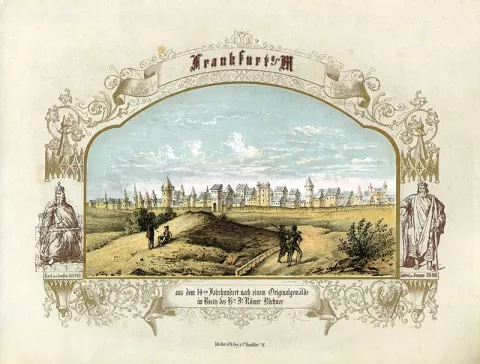
Middle Ages had two types of commercial centers. One type was cities with its own trade and strong merchant communities and the others were towns renowned for its fairs, serving as an intermediary market for foreign traders. The first tried to limit freedoms of foreign merchants and to keep control over trade in hands of domestic businessmen while the others gave trading privileges and freedom to foreign merchants attempting to attract trade. The first were cities like Venice, Genoa, cites of Hanseatic League while some the most prominent among others were Bruges, Geneva, and Frankfurt am Main and fairs in County of Champagne.
Medieval businessman
One of the characteristics of the medieval trade was undeveloped specialization in commercial activities. The same person was engaged in wholesale and retail sale, shipping, finance, tax-farming, minting and other closely related activities. There was no specialization in transporting activities so medieval merchants, or their employees, had in general followed goods traveling during the year in hope to visit as many fairs as possible.
After the Italians had started to open permanent offices across Europe by the beginning of the 14th century the former travelling merchants were replaced by sedentary ones. With the emergence of sedentary merchant, that is, the merchant staying in one location and setting up permanent branches operated through agents abroad not only did the partnership forms have to change, but also business correspondence and double entry bookkeeping assumed importance.
The sedentary merchant saved himself the inconvenience of constant travelling and devoted his time fully to expanding his business. The communication between the branches and the parent office was facilitated by development of better postal service, while the conduct of foreign trade was supported by improvements of trade documentations – such as invoice, bills of lading and shipping manifests.
Invoice was also known as a bill of sale or contract of sale. It is a document sent to a buyer that specifies the amount and cost of products or services that have been provided by a seller. A bill of lading is a legal document between the shipper of goods and the carrier detailing the type, quantity and destination of the goods being carried. The bill of lading also serves as a receipt of shipment when the goods are delivered at the predetermined destination. Shipping manifest was a document detailing a ship's contents and cargo and listing passengers and crew, for the use of customs officers.
Commodities
Demand for luxury goods by the wealthy nobility and monasteries of Europe was the main driver of the medieval economy. Luxuries products were not the necessities of life, but it made it more bearable and fashionable. Expensive clothes and items emphasized the social position and served as a status symbol, much like today. Silk came from China, ivory from Africa and spices from India, Africa and Southeast Asia.
Spices were especially in high demand because they masked the taste of rotten food in era before refrigeration. Key spices included ginger, saffron, mace, cinnamon, sugar, cloves and nutmeg. The favorite spice, however, was pepper.
In return for such goods that were highly prized by the northern elite, the merchants of northern Europe provided the bulk commodities like grain, timber, salt, woolen textiles, from ordinary to luxury, furs, minerals, metals, linen and slaves from European interior. However, since the total value of the northern commodities was inadequate to match the value of luxurious imports and the Italians were explicit in their demands, the northern merchants supplemented their cargoes by shipments of silver, both bullion and coin, and to a lesser extent of gold.
This was the way that money drained from the north Europe to the south Europe and further during the entire Middle Ages. The Europe could finance luxurious trade as long as their businessmen sustained the export of bullion at high level. But when mining production began to decline while heavy exports continued, the Europe experienced the deflationary effects of the bullion famine of the 14th and 15th centuries. The Europeans have combined various strategies in order to have enough silver and gold for purchase of eastern luxuries. However, their biggest breakthrough was promotion of geographical discoveries and subsequent seizure of American silver to buy Asian luxury products.
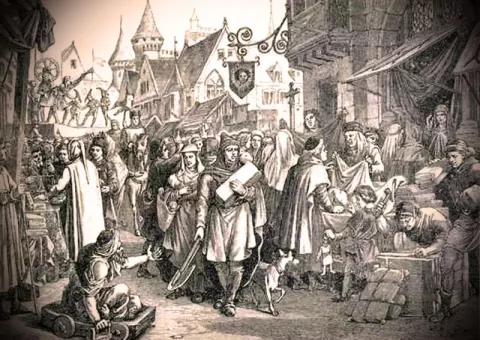
Fairs in Champagne
Pieces of fine cloth are being sold in this scene from one of the annual international Fairs of Champagne in medieval northern France. The engraving is from a 19th-century book.
the northern ..due to
The northern demand for luxury items from the south, and southern need for goods from the north, resulted in creation of periodic commercial markets in central Europe. Thus were born the famous fairs in Champagne.
Due to favorable position on crossroads of trade routes that linked northern and southern Europe, the Champagne County proved to be an ideal site for organizing annual fairs. At that time, Champagne was virtually independent of its nominal suzerain, the King of France, was ruled by counts interested on improving economy of their land. Determined to attract capital, the counts began to grant fair privileges to local communities and to guarantee the physical security of those journeying to the county. In this way, the originally religious festivals of the Champagne county transformed into the favored meeting place of southern and northern merchants from the half of the 12th century until the beginning of the 14th century.
Altogether, there was six annual fairs located in four town, namely Troyes, Lagny-sur-Marne, Bar-sur-Aube and in Provins, and each fair lasted about six weeks. The special attention was paid that fairs were properly arranged through the year's calendar in order not to interfere with one another and to ensure the all year trade in Champagne.
Trade caravans of itinerant merchants from all parts of Europe - from Spain, France, Savoy, Italy, Switzerland, Germany, Low Countries and England - gathered in Champagne to complete the business, to examine the latest inventions and available products while enjoying a variety of pleasures from arts and performances. Champagne fairs were also places for making credit loans. From the late 12th century it was usual for credits made in various parts of Europe to be agreed to be paid at one of the fairs in Champagne. Already in the 13th century entrepreneurs have realized that commerce and entertainment makes a successful formula for increasing trade, and the practice continues to present.
After almost century and half of existence, the famous Champagne fairs were completed by political factor. In the late 13th century, Champagne lost its neutrality and became a part of the Kingdom of France. The French king, in addition, imposed new tolls and assessments on the land route making the overland trade costly. Unwilling to give up the lucrative business, merchants responded by opening a new, maritime route to northern markets through the Straits of Gibraltar and had developed more competitive business practices.
bruges
Medieval trade
Bruges
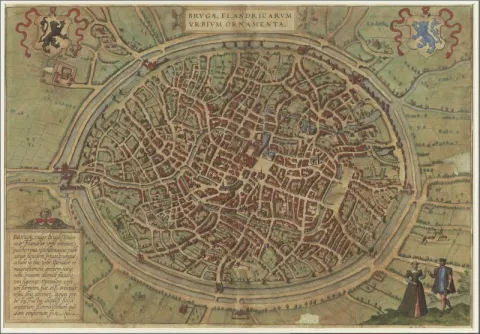
After 1300 Bruges, called the “Venice of the North” has emerged as the new commercial and financial center of northern Europe. Situated at intersection of eastern, western and southern overland routes, Bruges was a traditional port through which the English wool entered the continent. The ships of both Hanseatic and Mediterranean merchants headed to Bruges and after exchanging cargoes returned back to their hometowns.
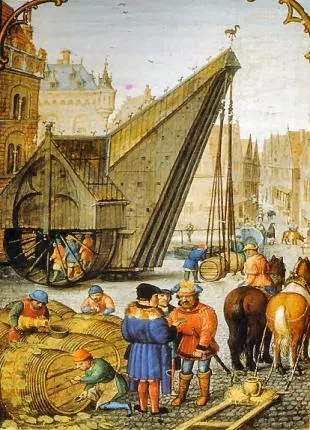
The town supported this economic trend by building the city's business infrastructure. The outcomes were two major commercial buildings, several municipal scales and huge manpowered crane. In addition to this offering, the city provided the web of human connections that offered lodging, banking, brokering, and business contracts to the foreign merchants.
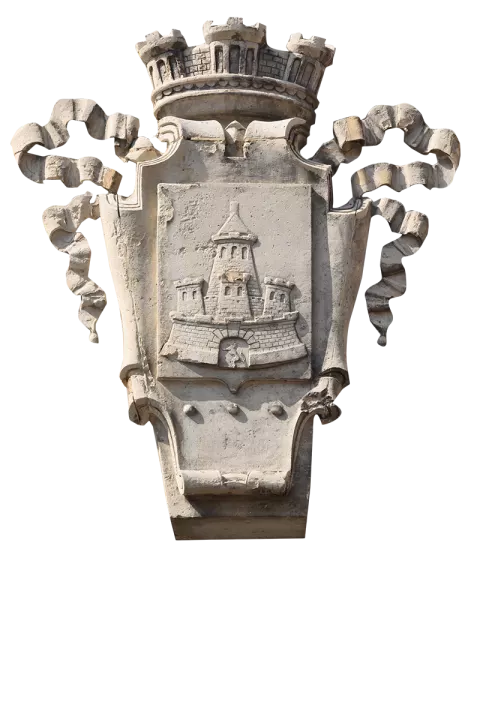
The origins of the word “bourse”, which has spread to almost every country in Europe, came from the famous exchange in Bruges founded in 1309 at an inn owned by the wealthy Van der Buerse family, where merchants met and attended the business. The coat of arms of these family had three bourses or purses and hence the name “bourse”.
When the Zwin channel to which Bruges owned the access to the sea and prosperity began silting in the beginning of the 16th century the fortune of Bruges began to decline and the city lost its primacy on behalf of nearby Antwerp.
Revival of medieval economy
the collapse, eventually
The collapse of the Western Roman Empire in the 5th century marked the beginning of the thousand-year period of human history known as the Middle Ages. After the fall of Rome in the hands of barbarians Europe had experienced a centuries long period of decay which resulted in decline of population, disappearance of towns and economic setback.
Eventually in the 10th century began the gradual economic recovery of Europe. Invention of advanced techniques such as heavy plow and three field rotation system had a favorable effect on agricultural output which, in turn, resulted in the rise of medieval population and in revival of international trade.
The Italian city states had an excellent preconditions for dominance in the medieval economic revival. They were geographically well placed to serve as channels for trade between the Mediterranean and the emerging markets of Northern Europe, and not less important, they were freed from the supremacy of the feudal lords from the 11th centuries onwards. Their ships brought goods from Levant but they also transported these goods further to northern France, England and Flanders. In this commercial exchange between Italians and other European nations Italians had numerous privileges while they did not gave any kind of privileges to other nations. Italian states often fought between themselves to gain the upper hand in this lucrative trade, but they also attacked ships of other European states that tried to interfere in this trade.
The level of the economic prosperity achieved in the 11th and 12th centuries was so groundbreaking and far-reaching that it is named the “Commercial revolution”. In this period, there were two main epicenters of European economy. The first focal point represented the Mediterranean and its leading economic powers comprised of Italian city-states, while the other was related to the North and the Baltic Seas where commercial activities were led by the powerful association of German merchants joined in the Hanseatic League. Thanks to technological and financial innovation of this period, the medieval entrepreneurs were able to extend the outermost boundary of Europe’s commercial contacts from Iceland in the west, to the Sahara in the south and China in the east.
The growth of international trade during the medieval period provided a strong impetus for financial and organizational innovations. Moreover, historical shift from agriculture to trade that occurred during the Middle Ages was a key precursor to the much later development of Industrial revolution.
The reuse of coinage from the 8th century also has a beneficial effect on the economic revival. Coins not only provided standardized measures of economic value, but were also convenient and easily portable which was of great help when it comes to conducting of trade. For many years silver standard dominated in Western Europe and lost the primacy only in the 13th century when Genoa, followed by Florence and Venice introduced golden currency to the economic life.
Business innovations
buss enviroment
The business environment characterized by high risk and poor information led to profound changes in the ways that capital was raised, risk was shared and business operations were administered during the Middle Ages.
compagnia and commenda
Business innovations
Compagnia and commenda partnerships
The most frequent form of partnership used in land trade was “COMPAGNIA” (from “cumpanis” meaning “people who share or break bread together”). The “compagnia” was initially a family associations but it extended to outsiders to attract additional capital and investments. Its best representative were large medieval international super-companies owning numerous branches across Europe with diversified business interests. Main features of “compagnia” partnerships were unlimited liability of all partners and duration of several years after which the contract was renewed. Its impact on modern business was primarily in introduction of double entry bookkeeping method as a means of monitoring and improving large scale businesses.
In addition to equity (or the ordinary shares in a company), the “compagnia” was also financed by the so called “sopraccorpo” or three categories of long-term liabilities. “Sopraccorpo” included: partners’ profits retained in the business; additional money contributed by partners beyond their basic equity, that is, outside of capital (“fuori del corpo della compagnia”) and, last, time deposits also called “discretionary deposits” accepted from outsiders. Grandees, nobles and leaders of religious, military or political life considered the “sopraccorpo” of the larger merchant banks a good way to preserve their wealth in times when personal fortunes might be confiscated because of political reversals. Each class was paid interest at rates, depending on circumstances, of between 5 and 10 percent. The payments were characterized as gifts made to lenders to avoid the Church’s prohibition of usury. This enabled some Florentine merchant-banks to leverage their finances and thus returns on capital between 14 and 20 percent per annum.
Since maritime ventures were characterized by greater risks and total loss, unlimited liability and long-term contracts were unpractical and replaced by “COMMENDA” or “COLLEGANZIA” and “societas maris” partnerships. Commenda was the closest medieval antecedent of modern joint-stock companies, it attracted investments of any size from all kinds of people. As a limited liability contract formed for one venture, the business parties involved had no liabilities above their initial investment. The passive investor (“commendator”) lent the itinerant merchant (“tractator”) the capital required for enterprise. If the expedition failed, the financial loss was entirely bore by the investor, while the borrower lost only value of his work. If successful, the investor recovered his loan and received ¾ of profit while travelling partner received ¼ of profit. “Commenda” has provided many opportunities to profit as a man could be at the same time a lender in one venture and borrower in another. Use of commenda facilitated the diversification of risk over particular voyages, types of cargoes and time periods. In a slightly different arrangement, called “SOCIETAS MARIS” an itinerant trader was allowed to invest some capital, usually 1/3 of capital plus labor, while the major investor provided 2/3 of capital. Profits were shared equally while the loss was covered according to the invested capital. “Commenda” could be found with various differences in almost all Europe. It was used until the late medieval period when it was superseded by commission agencies and later by the more economically efficient form of joint stock companies.
With the rise of COMMISSION AGENCIES the “colleganza” partnership used in Venice and at other trading posts was gradually replaced in the 15th century. The sedentary businessman found it cheaper simply to pay a fixed commission of about 2% on sales or purchases to an overseas commission merchant than to share about a quarter of their profits with an active partner who accompanied goods overseas. Improved postal services and better commercial documentations, such as the invoice and shipping manifest, supported this business arrangement.
Business innovations
Maritime and land insurance
Insurance
MARITIME INSURANCE had been practiced in one form or another for thousands of years. Usually entrepreneurs practiced to distribute their cargo between several smaller vessels, thus protecting themselves from complete loss of goods. With emergence of trade insurance emerged as a field of business. Already the Mesopotamians in the 3rd millennium BC had a kind of marine insurance. Among the earliest types of marine insurance were bottomry and respondentia loans of antiquity.
However, the invention of the insurance loan as a primitive form of spreading risks originated in the 14th century Genoa and whence it spread to the northern Europe in the 15th century. These contracts took the form of fictious sale contracts. A client bought a ship and merchandise before the ship’s voyage, but was under the obligation to pay only if both the ship and merchandise return their destination. The person selling the ship even gave a certain amount of money (a premium) to the buyer, who was not obliged to return it. In the period of post Renaissance Europe, insurance became far more sophisticated. The term “policy” in the insurance sense derives from the Italian word “polizza” which means “promise” or “undertaking”.
LAND INSURANCE of overland cargoes was even slower to develop. Most of the larger international companies assumed the risk of their own merchandise in overland shipments, but occasionally insured other for a fee since they had the best conditions to assess and manage risks.
bills and double
Business Innovations
Bills of exchange and double entry bookkeeping system
The greatest financial innovation of the commercial revolution was the BILL OF EXCHANGE introduced in the world of business by Italians visiting the Champagne fairs. The bill of exchange, which was perfected by the late 1200s made it possible for one party to receive a sum of money in one currency in one place on one date, and repay it in another currency at another place at a later date. The interest in these contracts remained disguised within the “agio” or premium the bankers charged for currency conversion. Because the creditor bore the risk of any adverse change in exchange rates, the Church did not considered this fee as usurious.
This invention combined three features of great importance for running the international business. The bill of exchange avoided the costs of transporting specie (as the expense of tolls, security and transport could be considerable), it provided a practical device for international credit and currency exchange, and last but not least, it circumvent the Church's prohibition of usury. The transaction involved four parties. The borrower and lender in the town of issue, and the borrower's correspondent (the payer) and the lender's representative (the payee) in the town of repayment. There were specialized courier services between Italy and Champagne from the mid-13th century for delivering of the bills. Although interest per se was not charged, a profit often was realized through differences in exchanges rates. Since exchange-rates were subjected to fluctuations, final profit could be considerably more or less than predicted. Using the advantages of this system, the merchants could transfer their own funds from one bank to another to earn higher interests.
Another important breakthrough of Italian entrepreneurs was in the field of accounting. In the 13th century Italy they began to use DOUBLE ENTRY BOOKKEEPING SYSTEM which was more suitable for the increased size of the firms, partnerships based on joint-stock companies and extensive use of credit. Double entry bookkeeping allowed entrepreneurs to have better insight in their business affairs. They were able to classify, record and cross-check their accounts, as well as to calculate their profits which gave then an insight to what they owned and how well their business was doing. This method fostered the Renaissance, enabled capitalism to prosper and contributed to create the global economy.
Age of Discovery
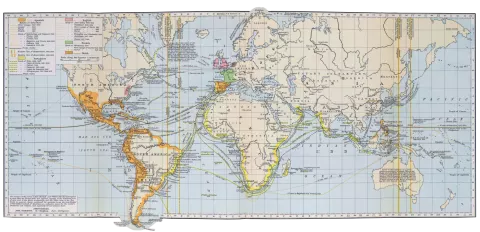
The Age of Discovery have opened the new chapter of economic history. Seafaring nations of the Mediterranean lost the position they held in the Middle Ages, mainly due to geographical reasons. The newly created world trade was tied for the Atlantic and Indian Ocean, and gave the leadership to nations which were on the edge of Atlantic ̶ the Portuguese, Spanish, Dutch, English and French. These nations, situated on the strategic positions, will struggle for the supremacy in the global trade for the next three centuries.
166 lives in this room
 Thorfinnr Thordarsonfl. 1000–1020
 Godric of Finchalec. 1070-1170
 Pierre Waldod. c. 1210
 Dino Compagnic. 1246–1324
 Marco Polo1254-1324
 Bartolomeo Gradenigoc. 1259 – 1342
 Jacob van Arteveldec. 1290–1345
 Bertolome Zorzidied c. 1300
 Michele Morosini1308-1382
 Étienne Marcelc. 1316 - d. 1358
 Marco Carellic.1320/25-1394
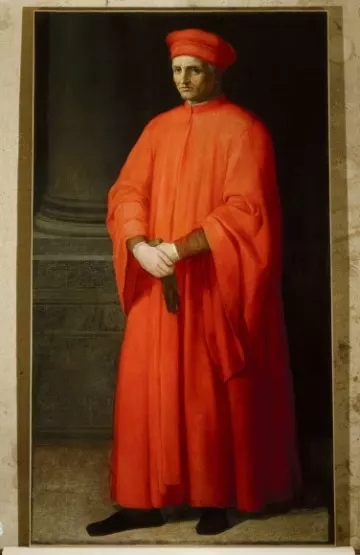 Francesco di Marco Datinic. 1335-1410
 Sir Ivo FitzWarin1343-1414
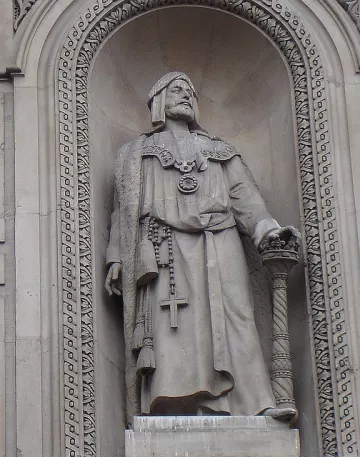 Richard Dick Whittingtonc. 1354-1423
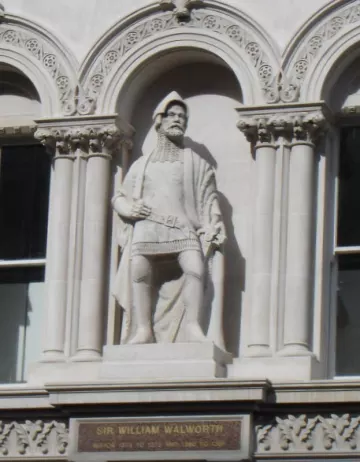 Sir William Walworthdied 1385
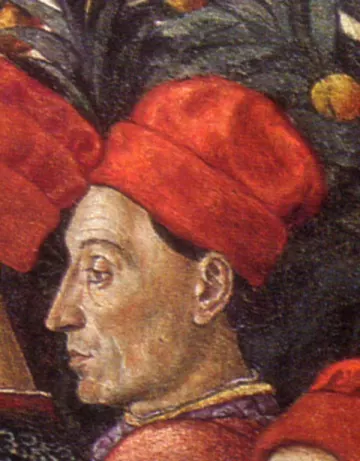 Cyriacus of Ancona1391-1452
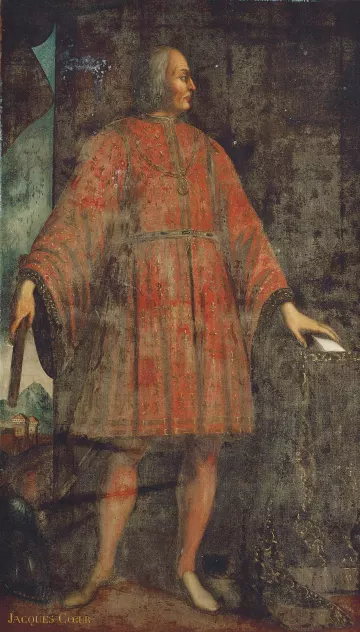 Jacques Coeurc. 1395-1456
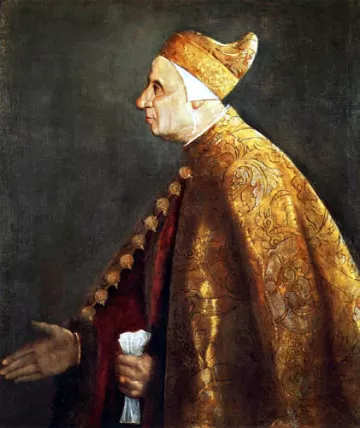 Nicolò Marcelloc. 1399 – 1474
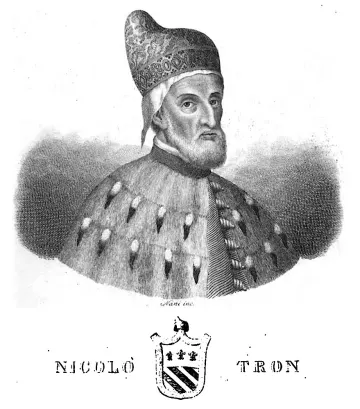 Nicolò Tron1399-1473
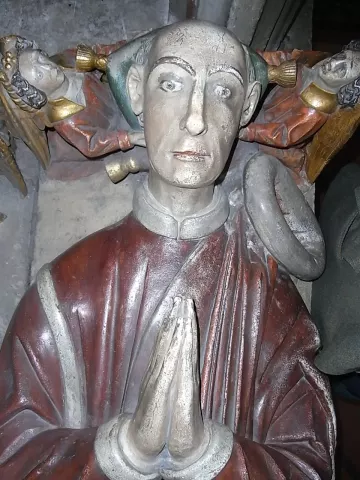 William II Canyngesc. 1399-1474
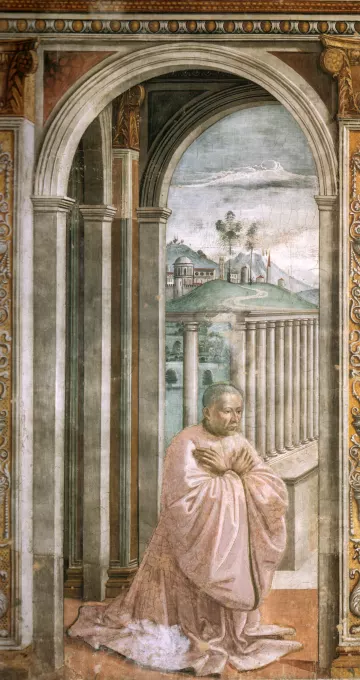 Giovanni Tornabuonic. 1428 - c. 1490
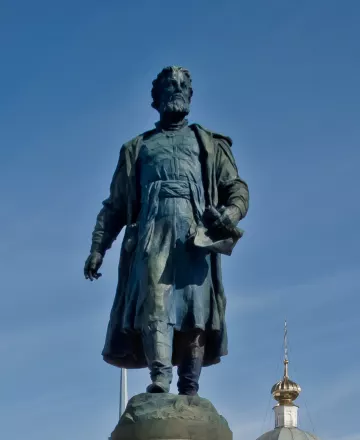 Afanasy Nikitinc. 1433-1472
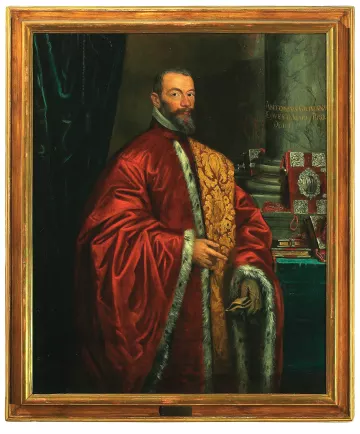 Antonio Grimani1434-1523
 Isaac Abravanel1437–1508
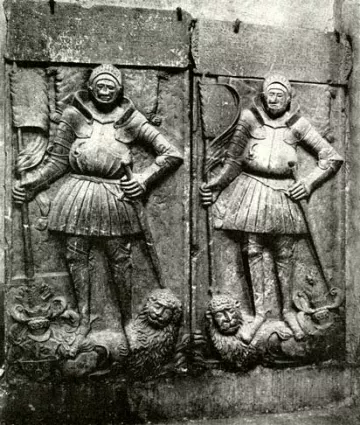 János Thurzó1437-1508
 Amerigo Vespucci1451-1512
 Giovanni di Nicolao Arnolfinid. after 1452
 Pandolfo Petruccic. 1452-1512
 Georg Fugger1453-1506
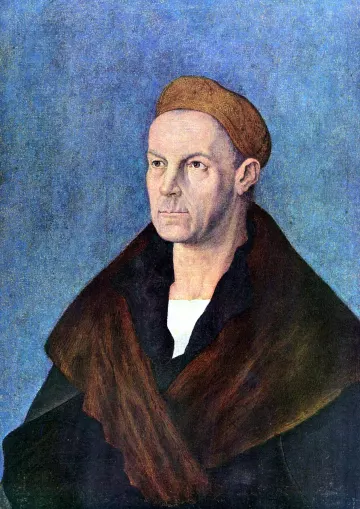 Jakob Fugger1459-1525
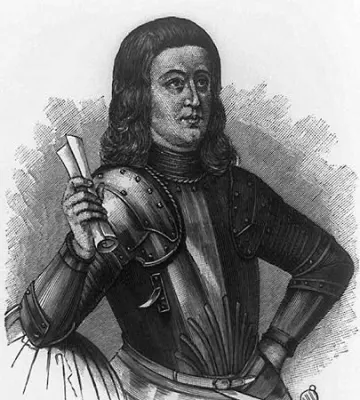 Martin Behaim1459-1507
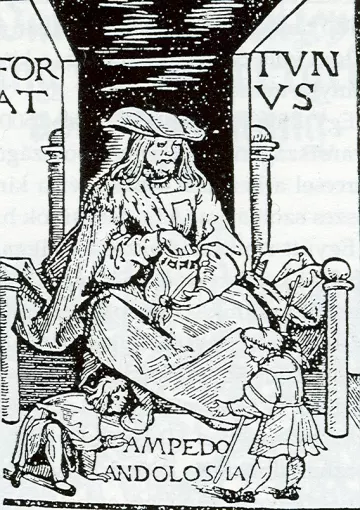 Imre Fortunatusc. 1460–c. 1526
 William Wyggeston1467-1536
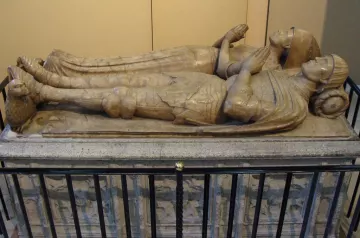 Sir John Crosbyd. 1476
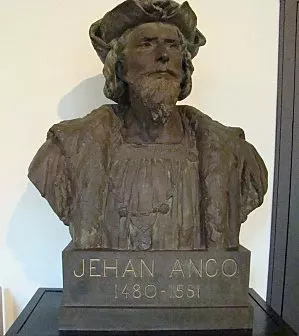 Jean D’Angoc. 1480-1551
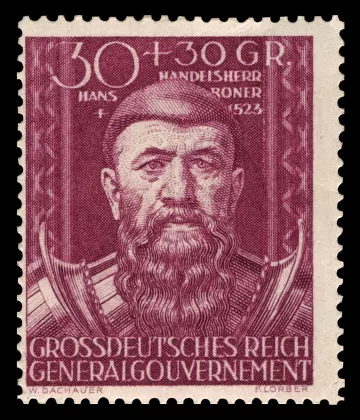 Jan Bonerd. 1523
More lives in this room
- Abraham ben Jacob 10th Century
- Bjarni Herjolfsson 10th century
- Jacob ibn Jau d. c. 990
- William Cade of St Omer 12th century
- Zaccaria Stagnario 12th-13th century
- Benjamin of Tudela d. 1173
- Domenico Gradenigo c 1185- c 1266
- Jehan Bretel c. 1200–1271
- Jacopino della Scala died 1215
- Benedetto Zaccaria c. 1235-1307
- Richard Renger d. 1239
- Adam De Basing fl. 1240s
- Sir William Joynier d. c. 1248
- Angelus 13th century
- Buscarello de Ghizolfi 13th-14th century
- Evota of Stirling 13th-14th century
- Goudeles Tyrannos 13th century
- Niccolò and Maffeo Polo 13th century
- Nicholas de Farndone late 13th - early 14th century
- Thomas Fitzthomas d. c. 1276
- Jan de Mirabello van Halen 1280-1333
- Jean Boinebroke of Douai d. 1286
- Sir John Pulteney c. 1290-1349
- Gregory de Rokesley d. 1291
- Laurence of Ludlow died 1294
- Giovanni Colombini c. 1300 - 1367
- Isol the Pisan fl. 1300
- John Mercer c.1300–1380
- Ridolfo de’ Bardi c. 1300 - c. 1360
- Henry le Walleis d. 1302
- Francesco Balducci Pegolotti 1310-1347
- Geoffrey de Morton d. c. 1317
- Marjory de Schireham fl. 1326–31
- Rose of Burford died 1329
- Federico Cornaro c. 1335 - 1382
- Antonio di Pessagno died before 1340
- Hasdai ben Abraham Crescas c.1340 - c.1412
- Gilbert Beesby late 14th - early 15th century
- John Bell late 14th - early 15th century
- Robert Talkan late 14th - early 15th century
- Simon Grimsby late 14th - early 15th century
- William Dalderby late 14th - early 15th century
- Buonaccorso Pitti 1353-c.1433
- Andrew Aubrey d. 1356
- Gregorio Dati 1362-1435
- Richard Sherman fl. 1364-1397
- Sir William De La Pole d 1366
- John Lovekyn d. 1368
- Mikolaj Wierzynek d. 1368
- Bertrando de Mignanelli 1370 – 1455
- Hildebrand Verkinchusen c. 1370 - 1426
- William Sevenock c. 1373 - 1433
- Richard Lyons d 1381
- Thomas Kirkby fl. 1381-1411
- Sir John Philipot d. 1384
- Sir Nicholas Brembre d. 1388
- Elias Spelly d.1391
- Hamon Sutton c.1392-1461/2
- Robert Gardener d. 1393
- Niccolò dei Conti c. 1395-1469
- William Catour d.1395
- Robert Messingham d.1396
- William Canynges d. 1396
- John Vyel d. 1399
- Adam Tutbury d. c. 1400
- William Helmsley d. 1404
- Thomas Graa d. 1405
- Thomas Holme d. 1406
- Robert Appleby d. 1407
- William Frost d. c. 1408
- John Hadley d. 1410
- Sir Thomas Cook c. 1410-1478
- William Browne 1410-1489
- John Leversegge d.1411/12
- William Baret d. 1411
- Giosofat Barbaro 1413–1494
- John Kent d.1413
- Robert Sutton d 1414
- Henry Halton d. 1415
- Antoniotto Usodimare 1416 – 1461
- John Hende d 1418
- Antoniotto da Cabella 1420-1475
- Hinrich Castorp c. 1420-1488
- John Urban d. 1420
- Pietro Massimo 1420-1489
- Paladino Gondola fl. 1423–1472
- Anselm Adornes 1424-1483
- John Fettiplace c 1424- 1464
- William Selby d. c. 1426
- William Chichele d. 1427
- Ambrogio Contarini 1429-1499
- Isabel Williamson c. 1430-1493
- Alvise Cadamosto 1432-1488
- William Oliver d. 1432/3
- Jacopo de’ Pazzi 1433-1478
- John Fitling d. 1434
- Thomas Gare d. 1434/5
- John Spring d. 1435
- Thomas Knolles d. 1435
- Christopher Ambrose c.1440-1498
- Sir Hugh Clopton c. 1440-1496
- Robert Large died 1441
- Wolczko Wolf d. c. 1441
- Thomas Croft 1442-1488
- Richard Amerike c. 1445–1503
- William Weston c. 1445-1504
- Nicholas Wotton d. 1448
- Bartolomeo Marchionni c.1449 - c. 1523
- Antonio Malfante died 1450
- Ishmael Abnarrabi 15th century
- Simone Guadagni 1450
- Eustache de la Fosse c 1451-1523
- Giovanni Maria Angiolello 1451-1525
- Girolamo Sernigi 1453-1510
- Richard Smith 1453–1516
- Richard Bartholomew c. 1455-1525
- Juan di Torralba died 1458
- Germyn Lynch fl. 1460-1479
- Francesco Guadagni b. 1464
- John Winchcombe Senior c. 1465-1519
- John Heritage c.1470–c.1536
- Matthew Smyth 1470-1526
- Henry Chester d. 1471
- Alice Chester d. 1485
- Jan Ympyn c.1485–1540
- Thomas Spring died 1486
- Thomas Burton died c. 1495
- William de la Founte d. 1495
- Lancelot Thirkill f. 1498-1501
- Sir William Browne d. 1514