No. 55
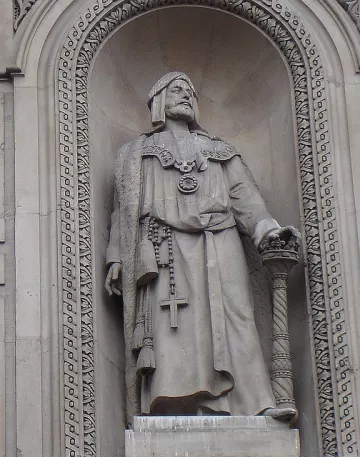
Gregorio Dati
Gregorio Dati was born on April 15th in 1362 to parents Stagio Dati and Monna Ghita as one of the seventeen children in the family. He became an important Florentine businessman who primarily traded in silk, but also in other commodities such as cloth and pearls. He was also an author of several books and is best known for his diary, or Libro segreto - Secret Book - referring to the secret account books that merchants kept. His diary represents a major source for the social and economic history of the Renaissance Florence.
Florence of 14th and 15th century was full of economic opportunities which gave way to changes in economic and political structure which not only had a significant effect on the city’s current demographic and economic circumstances, but would eventually lead to new ways of thinking and organizing society. Gregorio Dati recognized these opportunities and made the best of them. One of the significant economic developments of the fifteenth century was the rapid expansion of the silk cloth industry, and the decline of the woolen cloth production. Gregorio saw an opportunity and used his talents to enter the entrepreneurial class. He started his first commercial contract in 1385 indebted with a loan of 300 golden florins to enter the partnership in the silk business. As was his first, so was the most of his later business dealing conducted in partnership with other merchants, although he had his individual business endeavors.
Gregorio was also a part of the Wool Guild, and made Guild Consul several times. Being part of guilds was an important portion of Florentine society and economics and the guilds had a significant influence of Florentine patrician oligarchy which ruled the city. Gregorio was elected in 1429 to Florence’s highest civil office: the Standard Bearer of Justice.
Gregorio Dati traveled through Europe on his business dealing and had the prominent status granted to international merchants of Florence. Florence owned her cultural and economic prosperity to individuals who took risks and prospered from it. Status and admiration to such individuals are well seen from Gregorio’s own words: A Florentine who is not a merchant, who has not traveled through the world, seeing foreign nations and peoples and then returned to Florence with some wealth, is a man who enjoys no esteem whatsoever.