Museum / Rooms / Features of Jewish Community in Economy
Room · 10 chapters · 279 lives
Features of Jewish Community in Economy
FEATURES OF JEWISH COMMNITY IN ECONOMY
Jews were one of the most distinctive, important and successful groups in business
Since most of the Jewish men were literate they had a comparative advantage in the skilled, high paid occupations demanded in the urban centers.
Importance of education
Jewish success in business in general can partly be explained by various professional regulations imposed upon their community throughout the history. However, the main reason for distinctive mark they left in history of business can be found within the very Jewish culture that put strong emphasis on literacy and learning.
Lords of finance
The Jews became masters of finance rather out of necessity than voluntarily. As the number of professions allowed to Jews was restricted, they were able to enter those endeavors that Christians avoided or held in low esteem. Those were urban and skilled occupations, such as trade and finance. According to medieval Christian philosophy, making money for “doing nothing” and taking interest on loans (usury) were against its understanding of decency, morality, justice and hard work. The Third Lateran Council in 1179 prohibited the charging of interest in loans between Christians thus leaving the entire fielding of moneylending to the Jews.
Within feudal Europe
Jews of Medieval Europe were not a part of feudal system and have lived under different conditions than the rest of the Christian population. Despite the stigma that accompanied moneylending and banking professions, Jewish skills in business were recognized by pragmatic Europe’s monarchs who invited them to their lands to boost the economy. The Europe’s monarchs used the Jews both to enhance economy and as a source of large personal loans to fund lavish lifestyles and expensive wars. In return, the Jews were granted the special protection and status in kingdom.
To impoverish one’s own country and to enrich that of his enemies
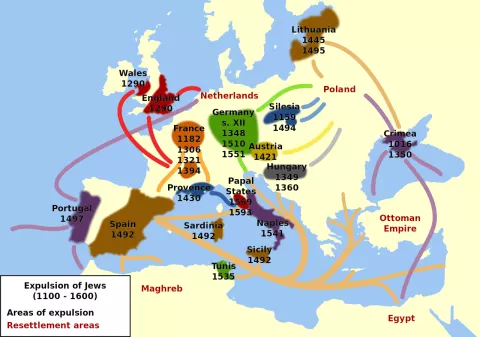
Lending to monarchs was a hazardous game because once the debts became too high or there was a need for extra cash, the rulers usually withdrew their protection of Jews, confiscated their properties and expelled them from the country. Such was the case with England in 1290, France in 1306, and several German states in the 15th century.
In 1492 Spain also turned on the Jews issuing a decree for their expulsion. In this arduous situation, the Portuguese king offered his land to the Jews in return for a head tax plus 25 percent of individual’s wealth, but only six months later he expelled them from the country and kept the money. Many of the Jews persecuted across Europe, found safe haven in the cosmopolitan and tolerant Ottoman Empire where they were considered as a valuable economic asset to the expanding nation.
The Frankish kings encouraged Italian Jews to migrate to their lands in order to have in their territories a community of traders who could develop commerce in a region whose economy was completely agricultural.
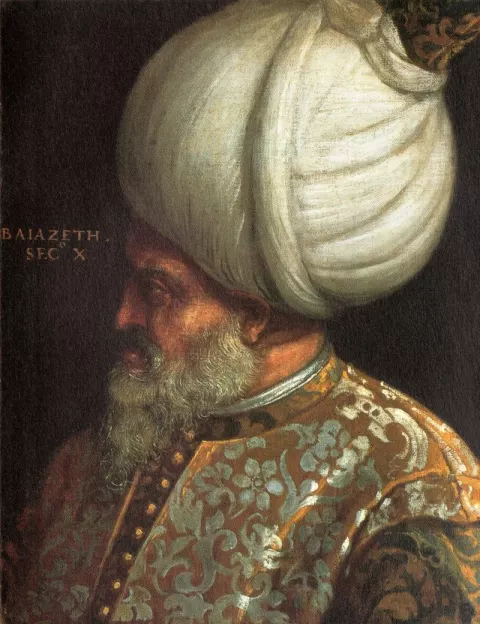
Sultan Bayazid’s comment to his courtiers on Ferdinand’s decision to expel Jews from Spain: “You venture to call Ferdinand a wise ruler, he who has impoverished his own country and enriched mine!”
Chapters
- From agriculture to skilled occupations
- Importance of education
- Beginnings in Europe
- Position in feudal Europe
- Guilds
- Moneylending
- Sephardim
- Forced migrations
- Developing economy
- Emancipation
From agriculture to skilled occupations
One of the most distinctive, important and successful group in business are certainly the Jews. Since the Middle Ages they have been primarily engaged in urban, skilled occupations, such as crafts, trade, finance, and the medical professions. Their success in skilled occupations were explained by various prohibitions imposed on Jewish community since the late Middle Ages such as prohibition from owning land and living in rural areas. Not only were they prohibited from agricultural occupations but some guilds excluded them from working in certain crafts within urban areas. However, prohibition from the means to conduct agricultural work was not the reason for their success in skilled occupations - mostly in trade and finance.
The transition of the Jews away from agriculture into crafts, trade and finance occurred in the eight century mainly in Mesopotamia and the entire Muslim empire. They were aware that their new urban occupation can enable them to improve their standard of living. Once engaged in urban, skilled occupations, they had an incentive to migrate to new urban cities where crafts, trade and finance provided high returns to their human capital. The fast migration of Jews during the ninth and the tenth centuries to Western Europe and the high standard of living acquired by them in these locations supports this view.
Already around the eight century Jews became almost entirely urban population. Since the late ninth century they voluntarily migrated to Muslim Spain and towns in Europe. During the tenth century, they migrated to Champagne and South Germany. Most of the migrations were motivated by increasing trade opportunities that enabled them to reach higher standard of living comparable to the upper classes in Europe. Simply said, Jews had the skills that enabled them to engage in those occupations with high returns to their human capital. Because their comparative advantage was limited to few skilled occupations Jews became a minority in all the places where they settled.
By the end of the 10th century majority of Jewish population lived in urban areas and were engaged in skilled occupations, whereas the rest of the population remained engaged mainly in agriculture. Urban, skilled occupations remained the distinctive mark of the Jews throughout history.
Importance of education
One of the main reasons why the Jews from the seventh century moved into towns and engaged in urban and well-paid professions was that almost all Jewish men were literate. Literacy was a comparative advantage in the skilled, high paid occupations demanded in the new urban centers. The reason why Jews had this particular advantage comes from the first century when the Jewish religion made primary education mandatory for boys.
The high priest Joshua ben Gamala in 64 issued an ordinance that teachers had to be appointed in each district and every city and that boys of the age of six or seven should be sent to school. From the second to the sixth century Jewish leaders prompted further the learning and reading of the Torah, Mishna, and Talmud. Those who remained illiterate were degraded in status. Thus education, literacy, and the reading of Torah, Mishna, and Talmud became the essence of Judaism.
Beginnings in Europe
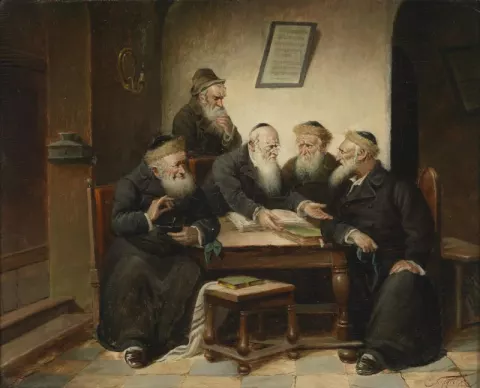
Jewish people were settled in Europe since Roman times, but the first important Jewish community in Western Europe was in Sicily and southern Italy, which until 1091 was under the control of the Byzantine Empire. From the ninth century on, this community was important enough to have its own academies for the study of rabbinic law and liturgical poets in Bari, Oria, and Otranto.
The Frankish kings, especially Charlemagne (r. 768-814), Louis the Pious, and their successors, encouraged Italian Jews to migrate to their lands. They wanted to have in their territories a community of traders who could develop commerce in a region whose economy was completely agricultural. During this period thriving Jewish communities were established in towns along the Rhine, such as in Cologne, Mainz, Worms, and Speyer. These communities became the nucleus of the permanent Jewish settlement of western and central Europe. Rhineland was called Ashkenaz in Hebrew, and its Jews therefore are called Ashkenazic.
Position in feudal Europe
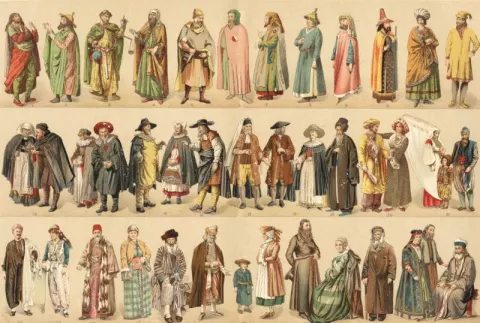
As the Jews settled, or were enticed to settle, as merchants and businessmen they were not a part of feudal system comprised of landowners, peasants and catholic priests, a fact that will prove as deleterious on their relationship to the non-Jewish world. Also, the Jews were the only community in most of the Europe that were not catholic. Thus, they were highly dependent for their legal status on a king, baron, or bishop. These differences between the Jews and the European masses marked them as a natural object of distaste even in good times and as an object of hatred in bad times.
This kind of status made them pawns in the shifting constellation of power between nobility, clergy and the mob. It also made them vulnerable, and a greedy lord might simply expel them in order to confiscate their property.
The semiautonomous status of the Jews in both the Islamic and the Christian world meant that the Jewish courts had full jurisdiction over Jewish business activities. Therefore rabbis, as legal authorities, were a vital component of commercial life. Uniform legal system for all Jewish communities and the existence of common written language simplified international transactions for Jews and lent them an edge in international trade.
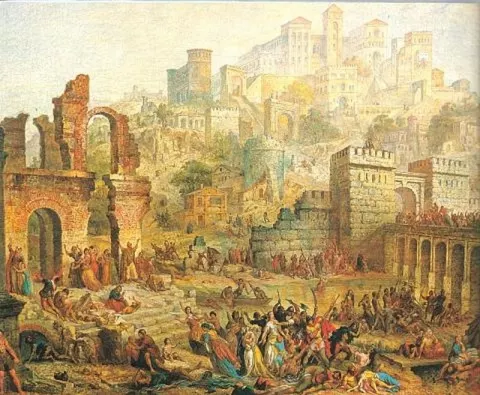
Until near the end of the eleventh century relations between Jews and Christians in Europe remained more or less stable. By the end of the eleventh century pressure began to build, propelled by coming crusade to rescue Christian holy sites in Palestine. The religious enthusiasm directed violently against the distant nonbelievers, the Muslim, came to be directed also against the Jews, the infidels in Europe. In the spring of 1096, when the mobs of the First Crusade began to sweep eastward across Europe, Jewish communities of the Rhineland were their early victims. Local lords and church authorities lacked the forces to defend their Jewish subjects and the result was widespread massacres and forced baptisms.
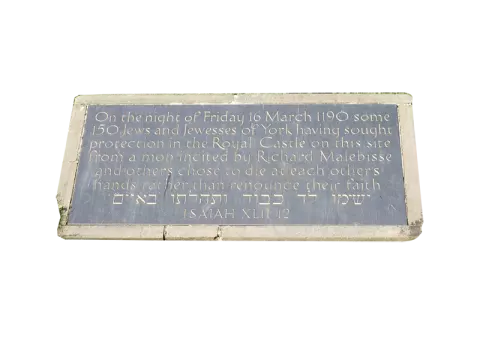
Commemorative plaque at the foot of Clifford’s Tower which marks the darkest chapter in the history of York’s Jewish community.
This was the first great trauma inflicted upon the Ashkenazic Jewry; subsequent crusades brought their own horrors. One of such events happened in England, in 1190, when the Jews of York committed mass suicide rather than to fall in the hand of angry mob propelled by anti-Semitic feelings and by greed for Jewish properties.
Guilds
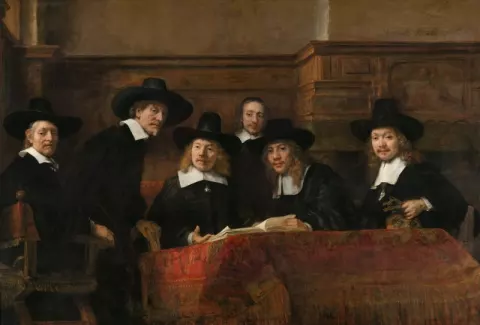
There were also other historical processes that contributed to the further deterioration of the lives of the Jews in western and central Europe. During the crusades Italian republics gained a monopoly in Mediterranean trade, thus reducing the usefulness of European Jewry in that field. Throughout European towns, control of manufacture, crafts, and commerce had come into the hands of the guilds. Guilds were professional organizations for each specialty and they regulated not only professional lives of their members, but also their social and religious lives as well. If one wanted to conduct some kind of business in one city he had to be a member of a specific guild. Since the religious side of life was emphasized in guild’s rules, the Jews were ordinarily excluded from participation and thus from majority of businesses.
Moneylending
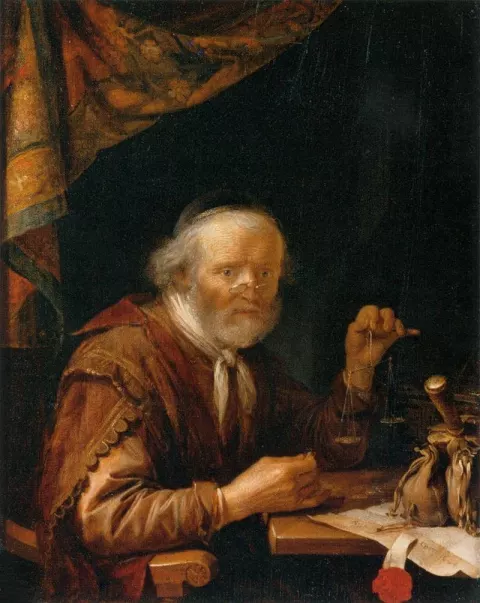
The Third Lateran Council prohibited the taking of interest in loans between Christians. The prohibition of taking interest did not eliminate the need for loans. They were essential for economic growth, waging of wars and were the lifeline of the poor. The prohibition did not apply to Jews who lent money to Christians, and so the entire field of moneylending was practically abandoned to the Jews just at the time when the process of their exclusion from other economic opportunities was nearly complete. Along with other unjust reasons this attempt to purify Christian behavior of usury turned the image of Jews as the hated pawnbrokers of medieval Europe. The Fourth Lateran Council limited the amount of interest on loans and also ruled that when a Christian debtor forfeited property to a Jewish creditor, the later had to continue paying tithes on the property to the churches.
Sephardim
The Iberian Peninsula was partly under the Muslim control from the beginning of the eight century. By the late eleventh century Christian kingdoms started to expand southward, toward Muslim lands. This process was practically completed by 1248, by which time all of the Iberian Peninsula was in Christian hands except for Granada and its territory. Granada was taken by Christians in 1492.
By the middle 12th century Jewish community flourished in Muslim Spain. The Christian expansion also gave some opportunity for the Jews. The Jews knew the land, its inhabitants, its language (Arabic), and many of them had experience in its administration, especially in the area of taxation and finance. The new Christian rulers were in need of skilled administrators and, thus, the pattern of Jewish life in the rest of medieval Christendom was also established in Christian Spain: The Jews were clients of the rulers, who could be counted on to protect them from the masses. Except for the great administrating and economic services performed by the Jews in Iberian Peninsula, they were also a valuable cultural resource in Christian Spain. Arabic was the language of high culture and the key to Greek science and philosophy. Jewish and Christian scholars together translated books to Latin and these activities became the harbinger of the Renaissance.
Sephardim
Expulsion from Spain
During the first half of the fourteenth century Jews lives were generally stable, they continued to hold royal appointments, especially in the sphere of finance and tax collecting. Like in the rest of Europe, Jews in Spain were the target of mass mob hysteria concerning the Black Death in 1348. Anti-Jewish preaching by a Dominican monk led to a violent attack on Jewish community of Seville in 1391. Violence from Seville quickly spread through Spain resulting in thousands of Jews being killed. It also resulted in mass conversion to Christianity, a phenomenon unprecedented in Jewish history. These were known as new Christians or “conversos”.
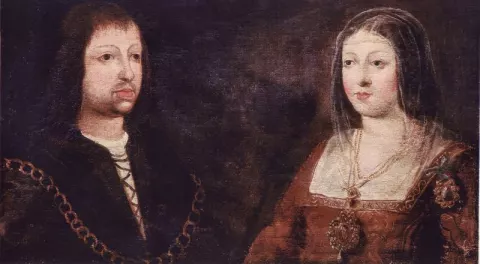
Ferdinand II of Aragon and Isabella I of Castile - monarchs who issued edict on 31 March 1492 ordering the expulsion of Jews from the Kingdoms of Castile and Aragon
With these events the Jewish community of Spain was reduced in numbers and wealth, while the “conversos” occupied posts previously unreachable to them, such as high court and church positions. Because of their success the distaste that was previously directed towards Jews was now directed toward them. They were accused of converting solely for the purpose of their own advancing and to take control of the country. Growing hate toward “conversos” was also the reason why the Inquisition was introduced to Spain in 1480. Convicted heretics were most usually burned at the stake and their property was confiscated. Although Isabela and Ferdinand had Jewish councilors and financiers at their court the monarchs signed the edict of expulsion in 1492. Many of the Jews fled overseas and some to Portugal. The ones that stayed in Spain and converted to Christianity were called Marranos. However, Judaism was outlawed in Portugal in 1496, but before the Jewish community fled they were all forcibly baptized in 1497.
As Spanish culture came into being, Spanish Jews became Spanish along with the Christians. Aware and proud of their distinctiveness, they called themselves Sephardim, after “Sepharad”, the Hebrew name for Spain.
Most of the Sephardim found safe haven in the Ottoman Empire. The Empire was a rising force in the eastern Mediterranean with possessions in Europe, Asia and Africa. The sultans considered the Jewish exiles an economic asset to their expanding nation. The Ottomans were strong in the military and agricultural way but deficient in commercial experience, international connections, and linguistic skills, all of which Sephardim could supply. Sultan Bayazid II (r. 1481-1512) was incredulous that Ferdinand should be considered a shrewd ruler when, by expelling the Jews, he had impoverished his own country and enriched that of his enemies.
Forced migrations
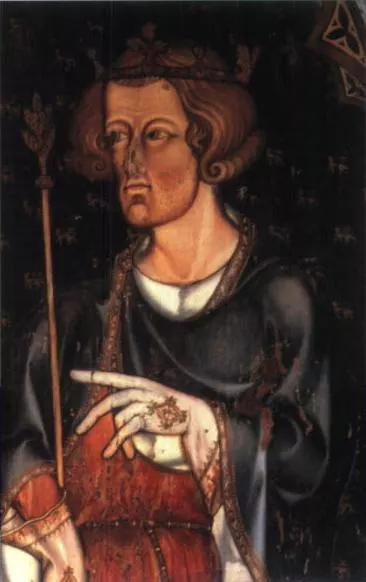
Western Europe became highly unhospitable place for Jews and gradually they were expelled from it. Edward I of England was one of the first to use his authority to exploit Jewish community. The Jews were the king's personal property, and he was free to tax them at will, as he did frequently. Edward I waged many wars, and his military campaigns demanded money. To raise the money he turned to exploitation of his Jewish subjects. His series of discriminating acts towards the Jews culminated in 1290 when he expelled the Jews from his kingdom and confiscated their properties. The Jews were formally readmitted in 1655. His example was followed by Philip the Fair of France who had in 1306 seized the Jewish property and then expelled them from country. They were permitted to return in the following reign but still there were oppressions. The Jews were definitively expelled from France in 1394.
Many of them found refuge in Provence, but after Provence was attached to France in 1481, the entire Jewish community was gradually forced into exile. Many of them found refuge in Avignon, the papal enclave in Provence, since the Popes strictly enforced Church policy protecting the Jews’ right to minimal survival. In the course of the fifteenth century, they were expelled from various German states.
Forced migrations
Ashkenazi in Eastern Europe
With the onset of the Crusades, and the expulsions from England, France, and parts of Germany, Jewish migration pushed eastward into Poland, Lithuania, and Russia. Over this period of several hundred years Jewish economic activity was focused on trade, business management, and financial services, due to several presumed factors: Christian European prohibitions restricting certain activities by Jews, preventing certain financial activities between Christians, high rates of literacy, near universal male education, and ability of merchants to rely upon and trust family members living in different regions and countries.
By the 15th century, the Ashkenazi Jewish communities in Poland were the largest Jewish communities of the Diaspora. This area, which eventually fell under the domination of Russia, Austria, and Prussia, would remain the main center of Ashkenazi Jewry until the Holocaust.
Developing economy
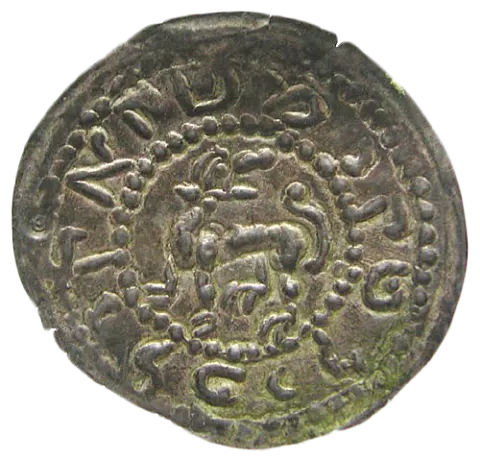
Since the monetary economy was relatively new in Eastern Europe in the Middle Ages, Jewish immigrants from better-developed regions in Central Europe, were able to take advantage of their long experience in the realms of exchange and moneylending. For instance, Jews helped Polish monarchs produce specie by leasing the royal mint; in the reigns of Mieszko III (1138–1202) and the kings of Hungary in the thirteenth century—in particular Béla IV (1235–1270)—Jewish entrepreneurs minted coins on which they sometimes stamped Hebrew inscriptions.
From at least the mid-thirteenth century, Jews were active in moneylending, playing a role in both the urban and the regional economies, lending to nobles, burghers, and even peasants. In fact, the kings themselves often made use of Jewish bankers. There was also a particular institution of the Court Jew which served to European princes which used the commercial and financial services of individual Jews. This position as an institution is a feature of the absolutist state, especially in Central Europe, from the end of the 16th century onward. Apart from being the monarch’s financier, the Court Jew also served as an agent for provisioning armies with grain, timber, and cattle, as well as a supplier of diamonds and other goods for conspicuous consumption. In addition to being commercial agents of the court, in Poland, for example, many landed estates were administered by Jews and a large part of the trade in agricultural products was in their hands.
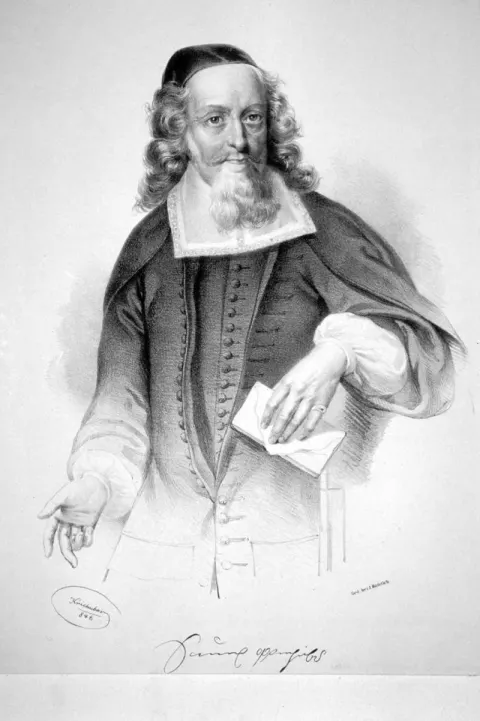
Samuel Oppenheimer (1630-1703) was an Ashkenazi Jewish banker, imperial court diplomat, factor, and military supplier for the Holy Roman Emperor Leopold I
Emancipation
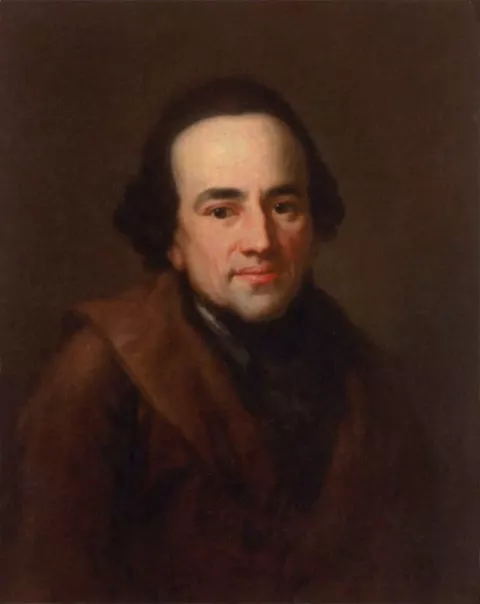
The Age of Enlightenment, starting from the late 17th century, brought the traditional lines of authority to a question. It challenged the authority of institutions that were deeply rooted in society, such as the Catholic Church. There was also much talk of ways to reform society with toleration and science. A rational and scientific approach to religious, social, political, and economic issues promoted a secular view of the world and a general sense of progress and perfectibility.
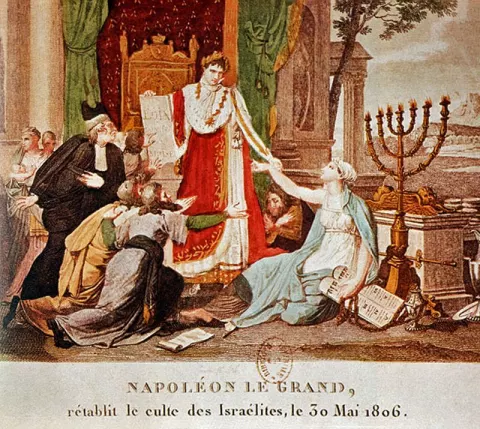
As the Age of Enlightenment shook some of the established patterns, especially regarding Church and its authority, ideas of minority integration came to life. The next big step towards Jewish emancipation came with the French Revolution at the end of the 18th century. The “Ancien Régime”, that is feudal system, began to crumble and the citizenry gained on importance. Napoleon enacted laws that emancipated European Jews from old laws restricting them to ghettos, as well as the many laws that limited Jews' rights to property, worship, and careers. As his empire spread so did his laws concerning Jews. Also, among the European Jews in the 18th century started a movement called Haskalah or the Jewish Enlightenment that advocated adopting enlightenment values, pressing for better integration into European society, and increasing education in secular studies, Hebrew language, and Jewish history. Haskalah ultimately resulted in the first Jewish political movements and the struggle for Jewish emancipation. During the 19th century Jewish emancipation occurred in other countries and with the disappearance of
restrictive anti-Jewish laws Jewish community and their economic life integrated into general trends.
279 lives in this room
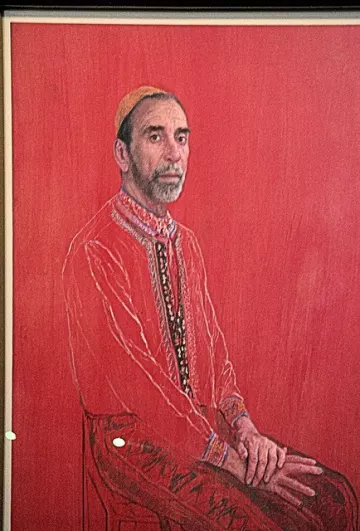 Samuel Ben Meir Ha-Levi Abulafiac. 1320–1361
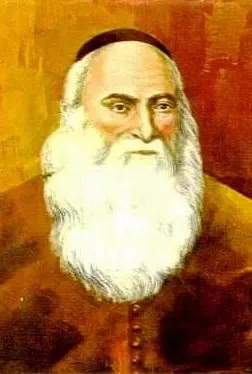 Isaac Abravanel1437–1508
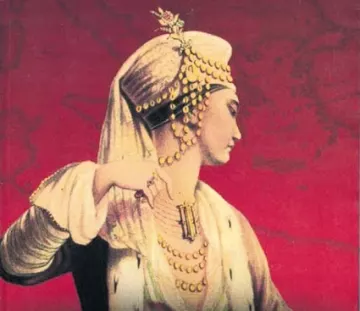 Benvenida Abrabanelc. 1473-after 1560
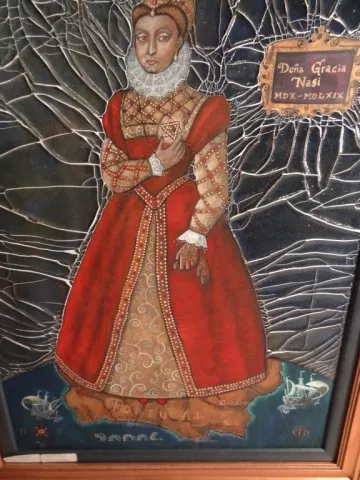 Gracia Mendes Nasi1510-1569
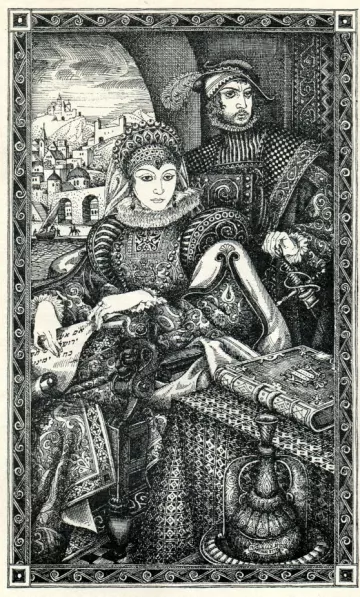 Joseph Nasi1520-1579
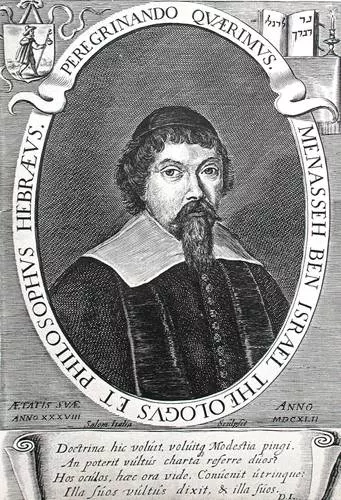 Manasseh ben Israel1604–1657
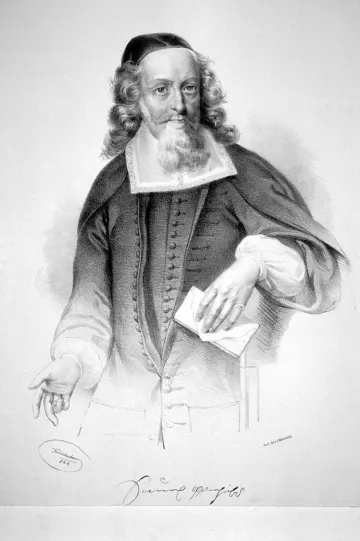 Samuel Oppenheimer1630-1703
 Leffmann Behrends1634–1714
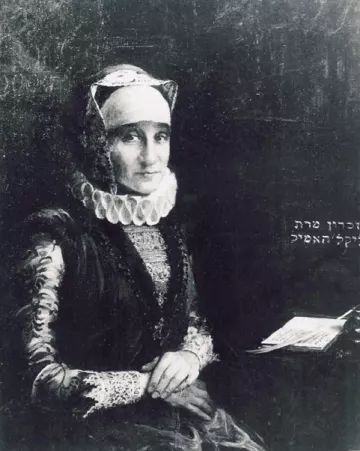 Glückel of Hameln1646-1724
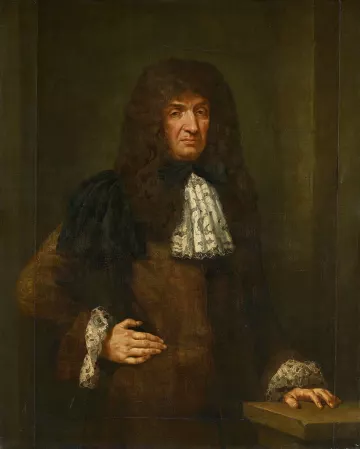 Antonio Lopez Suasso1650
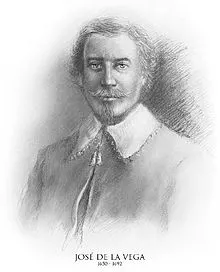 Joseph Penso de la Vega1650–1692
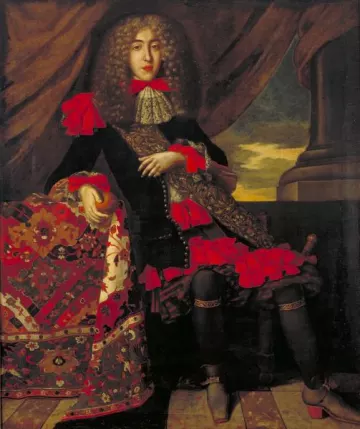 Francisco Lopes Suassoc. 1657-1710
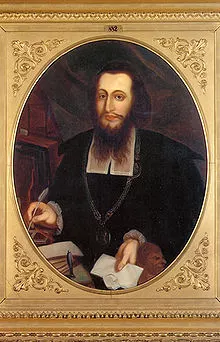 Samson Wertheimer1658–1724
 Benjamin Sheftall1692–1765
 Ezekiel Rahabi1694–1771
 Joseph ben Issachar Suesskind Oppenheimer1699–1738
 Jacob Rodriguez Rivera1717–1789
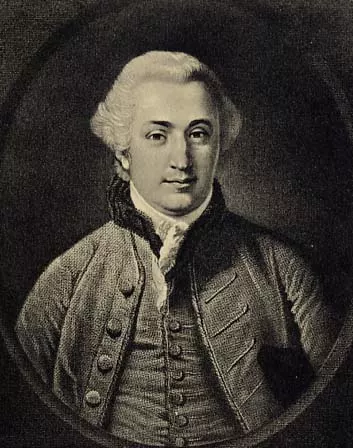 Moses Franks1718-1789
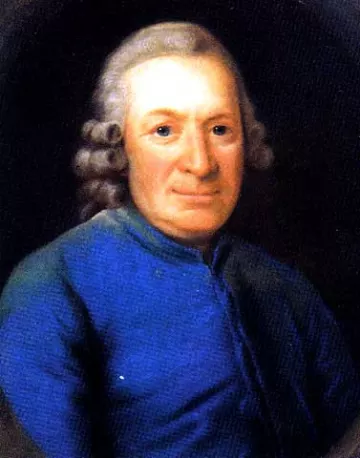 Daniel Itzig1723–1799
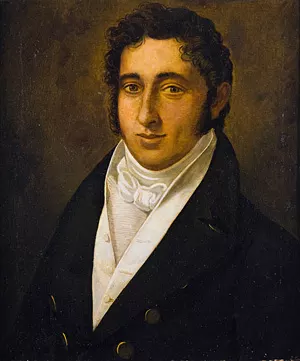 Myer Myers1723-1795
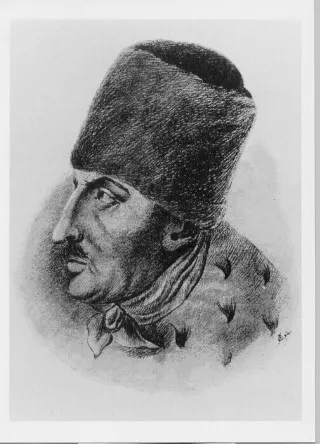 Jacob Frank1726-1791
 Israel Jacob1729 – 1803
 Benjamin D'Israeli 1730–1816
 Aaron Lopez1731-1782
 Mordecai Sheftall1735-1797
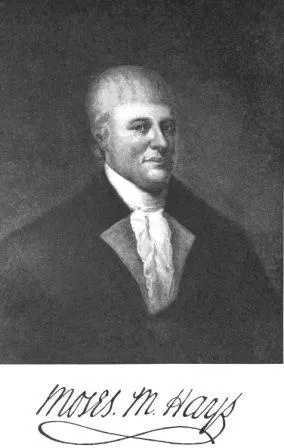 Moses Michael Hayes1739-1805
 Joseph Coen Bacri1740–1817
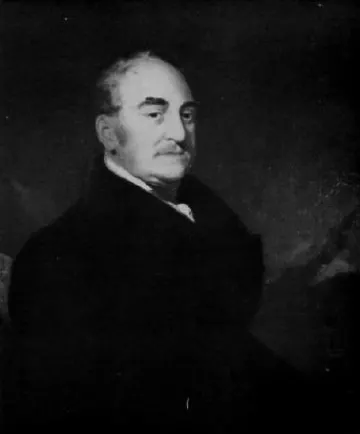 Levy Barent Cohen1740 – 1808
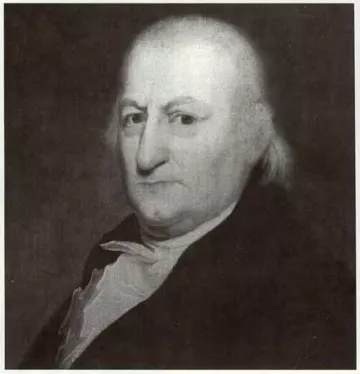 Aaron Levy1742-1815
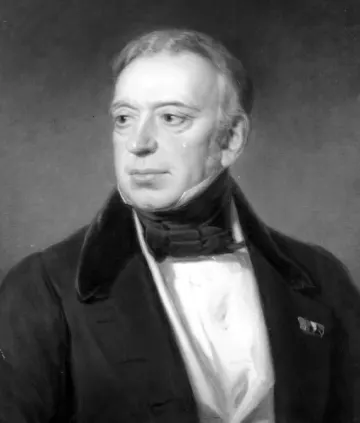 Salomon Mayer von Rothschild1744-1855
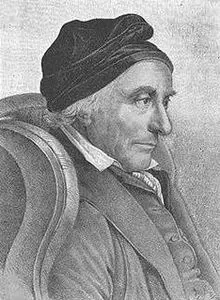 David Friedlaender1750-1834
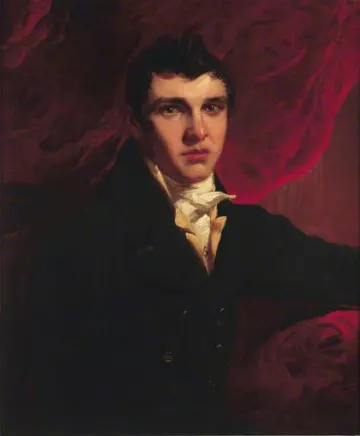 Abraham Goldsmid1756-1810
 Simon von Lämel1766-1845
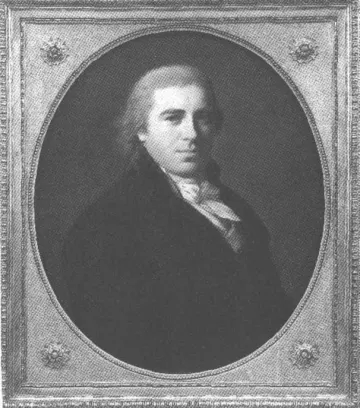 Judah Herz Beer1769-1825
 Michael Lazar Biedermann1769– 1843
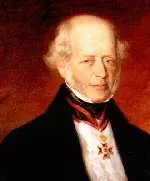 Amschel Mayer Rothschild1773-1855
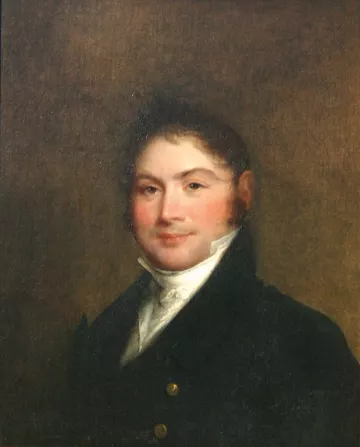 Abraham Touro1774 – 1822
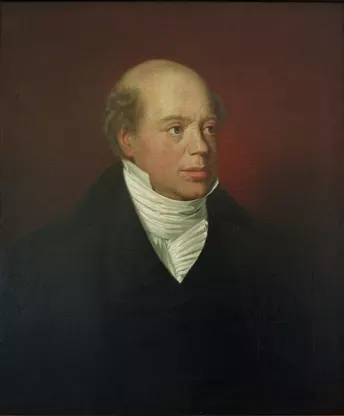 Nathan Meyer Rothschild1777-1836
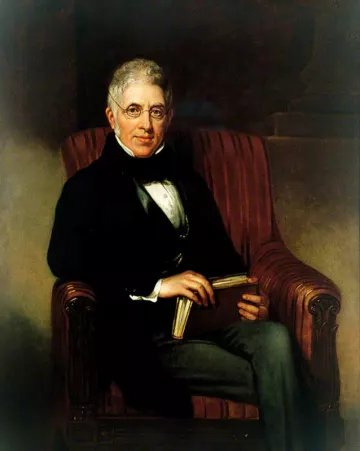 Sir Isaac Goldsmid1778-1859
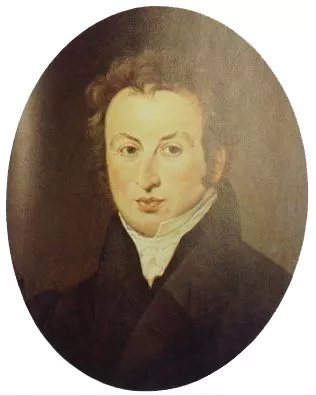 Joseph Hambro1780-1848
 Mendel Levin Nathanson1780–1868
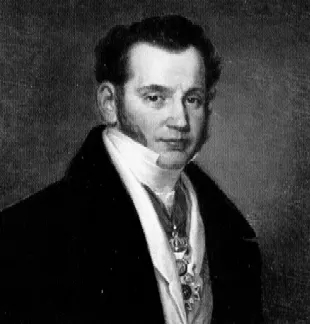 Carl Mayer Rothschild1788-1855
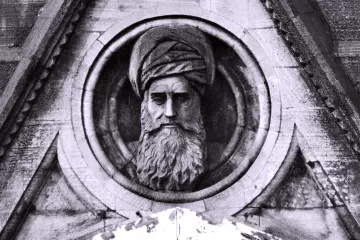 David Sassoon1792-1864
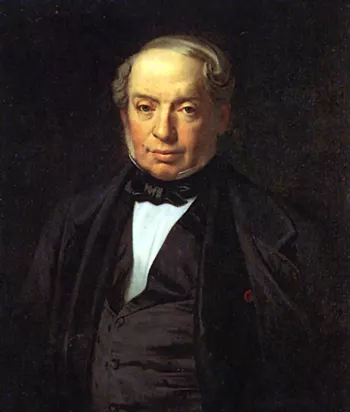 James Mayer Rothschild1792-1868
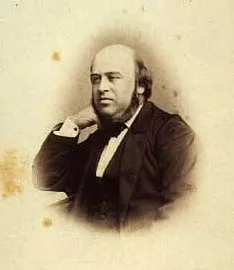 David Baruch Adler1826–1878
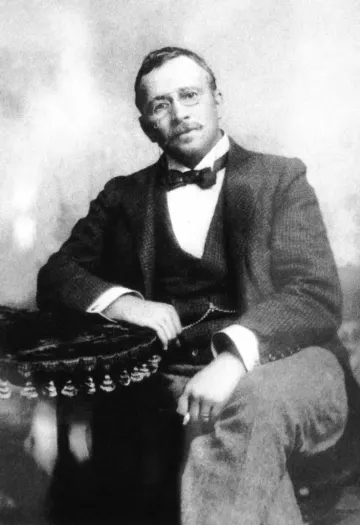 Barnato Barney1852–1897
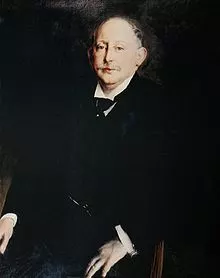 Alfred Beit1853–1906
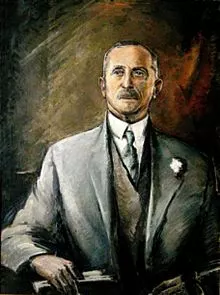 George Albu1857–1935
More lives in this room
- Ben Kalba Savu’a 1st century
- Rufus of Samaria c. 100 C.E.
- Rav Papa 350
- Abraham of Saragossa 9th century
- Eldad ha-Dani 9th century
- Isaac d. c. 916
- Joseph Ben Phinehas d. before 928
- Aaron Ben Amram 9th–10th century
- Abraham ben Jacob 10th Century
- Manasseh ben Abraham Ibn Qazzāz 950
- Jacob ibn Jau d. c. 990
- Abu Ali Jepheth ibn Bundār Ḥasan 11th century
- Joseph Rabban 11th century
- Judah ben Joseph of Kairouan late 10th – early 11th century
- Nahrai ben Nissim 11th century
- Sahlān ben Abraham 1050
- Wuhsha of Egypt 11th–12th century
- Aaron of Lincoln c. 1125-1186
- Jurnet of Norwich c. 1130-1197
- Sheshet ben Isaac ben Joseph Benveniste c. 1131–1209
- Ḥalfon ben Nethanel Ha-Levi Abu Saīʿd 12th century
- Madmun ben-Japheth ben-Bundar d. 1151
- Isaac of Norwich c. 1170- c.1235
- Meshullam ben Jacob of Lunel d. c. 1170
- Benjamin of Tudela d. 1173
- Benedict of York died 1189
- Aaron of York 1190 – 1268
- Josce of York d. 1190
- Dulcea of Worms d. 1196
- Elijah Menahem Ben Moses c. 1220–1284
- Solomon ben-Abraham (Rashba) Adret c. 1235-1310
- Todros ben-Judah 1247–after 1295
- Angelus 13th century
- Benveniste de Porta d. 1268
- Moses ben Yom Tov d. 1268
- Belia of Winchester died after 1273
- Benedict Ben Moses of Lincoln d. 1278
- Isaac of Southwark d. 1289/90
- Hanna van Recklinghausen 1332-after 1349
- Joseph Ecija d. 1339/40
- Hasdai ben Abraham Crescas c.1340 - c.1412
- Vivelin of Strasbourg d. after 1347
- Jäcklin 14th century
- Kandlein of Regensburg 14th century
- Lewko ben Yarden fl. late 14th century
- Minna of Zürich 14th century
- Reynette of Koblenz 14th century
- Smol of Derenburg 14th century
- Manessier de Vesoul d. 1375
- David Steuss died c. 1387
- Venguessone Nathan d. 1436
- Nathan HaKohen Sholal 1437–1502
- Wolczko Wolf d. c. 1441
- Abraham Stora 15th century
- Ishmael Abnarrabi 15th century
- Meir Melamed second half of 15th century
- Meshullam Volterra 15th century
- Obadiah ben Abraham Yare Bertinoro c. 1450 – d. before 1516
- Vitale Jehiel of Matassia 15th century
- Fernão de Loronha c. 1470 - c. 1540
- Ephraim Fishel d. c. 1475
- Mordecai Angelo b. Abraham d. 1476
- Abraham ben Solomon Conat d. c. 1477
- Diogo Mendes b. before 1492- c.1542
- Joshua Solomon d. 1493
- Moses Fishel d. c. 1504
- Josko d. 1506
- Jan Abraham Ezofowicz d. 1519
- Solomon Abenaes c.1520-1603
- Hector Nunez 1521-1591
- Isaac Sholal d. 1524
- Judah Gedaliah d. c. 1526
- Marcus Mordecai Meisel 1528-1601
- Michel Ezofowicz d. c. 1529
- Solomon Usque c. 1530–c. 1596
- Anselmo del Banco died 1532
- Reyna Nasi c. 1532 - 1599
- Abraham Judeus Bohemus d. 1533
- Gershom ben Moses d. 1534
- Jacob Tirado ca. 1540–1620
- Saul ben Judah Wahl 1541–c. 1617
- Jud Michel d. 1549
- Abraham Benwaish 16th–17th centuries
- Abraham Shmoilovich 16th century
- Abraham Usque 1550
- Affras Rachmaelovich 16th century
- Benjamin b. Mattithiah 16th century
- David Sacerdote 1550–1625
- Eliezer ben Isaac 16th century
- Elijah ben Solomon Corcos 16th century
- Elijah of Pesaro 1550
- Francisco Mendes 16th century
- Isaac Borodavka 16th-century
- Israel ben Daniel Zifroni 1550
- Jacob Rosales late 15th – early 16th century
- Joshua ben Solomon Corcos 16th century
- Meir di Gabrielle Magino 16th century
- Rachel Fishel 16th century
- Richa of Venice 16th century
- Roizl Fishels of Cracow 16th century
- Samuel Cabessa 16th century
- Solomon Alashkar 16th century
- Gedaliah ben Moses Cordovero 1562–1625
- Hananiah Sebag d. after 1570
- Jacob ben-Samuel Bassevi of Treuenberg 1570-1634
- Lippold d. 1573
- Meir ben Ephraim of Padua d. 1583
- Antonio Fernandez Carvajal c.1590– 1659
- Ester Handali d. c 1590
- Tomas Trevino de Sobremonte 1592 – 1649
- Isaac Nachmanovich b. 1595
- Isaac ben Nathman Nachmanovich d. 1595
- Augustin Coronel Chacon c. 1600–1665
- Esperanza Malchi d. 1600
- Immanuel Benveniste 1608 – c. 1660
- Nahman ben Isaac Nachmanovich d. 1616
- Joseph Pardo d. 1619
- Antonio Rodriques da Robles b. c. 1620 - 1690
- David de Castro Tartas c. 1625–c. 1700
- Frumet Meisel d. 1625
- Uri Ben Aaron HaLevi 1625–1715
- Wolf Popper Bozian d. 1625
- Joseph ben Gerson Concio d. c. 1628
- Izaak Aaronowicz d. 1629
- Isaac de Mattathias Aboab 1631–1707
- Jost Liebmann c. 1640-1701
- Esther Schulhoff Aaron Liebmann c. 1645-1714
- Bella Hurwitz 17th century
- Benjamin Levy c. 1650-1704
- David ben Nathan Gruenhut late 17th – early 18th century
- Durante Nunes D' Acosta 17th century
- Isaac Jesurun 17th century
- Isaac bar Judah Yudeh Katz 1650
- Moses Jacobson de Jonge 17th century
- Moses ben Jacob d. c. 1650
- Sarel Gutman 17th century
- Solomon de Medina ca. 1650-1730
- Isaac ben Jacob d. 1653
- Joseph Jacob Van Geldern 1653–1727
- Aaron ben David Cohen of Ragusa d. 1656
- Alvaro Da Fonseca c. 1657–1742
- Joseph Isaacs 1659–1737
- Lewis Moses c. 1660–1740
- Issachar Berend Lehmann 1661-1730
- Isaac Sardo Abendana c. 1662–1709
- Moses Mendes da Costa c. 1669 - 1747
- Moses Frankfurter 1672–1762
- Zechariah ben Ephraim Mahalalel d. 1672
- Asser Levy d. 1681
- Marx Schlesinger d. 1683
- Hayyim ben Isaac HaLevi Reizes 1687–1728
- Jacques Paiva d. 1687
- Jacob Franks 1688-1769
- Menahem Mendel ben Meshullam Auerbach d. 1689
- Moses ben Isaac Jekeles d. 1691
- Abraham Navarro d. c. 1692
- Bartholomew Rodrigues d. 1692
- Issachar Berush Eskeles 1692-1753
- Moses Israel Fürst d. c. 1692
- Aaron Louzada 1693/5-1764
- Moses Tobias 1694–1769
- Abraham Israel Pereyra d. 1699
- Diego Pereira d'Aguilar 1699-1759
- Sampson Gideon c. 1699– 1762
- Isaac Surgun 1701–1791
- Saul Pardo Brown d. 1702
- Veitel Heine Ephraim 1703–1775
- Simon de Caceres d. 1704
- Aryeh Leib Bernstein 1708–1788
- Marx Model d. 1709
- Samson Solomon Baiersdorf d. 1712
- Ḥayyim Toledano Ben Baruch d. c. 1715
- Abraham Wagg 1719–1803
- Abraham Isaac Abrahams 1720–1796
- David Franks 1720–1794
- Joachim Edler von Popper 1720 - 1795
- Simon von Geldern 1720–1788
- Isaac da Costa 1721–1783
- Ber of Bolechów 1723-1805
- Israel Hönig 1724-1808
- Abraham Haim de Lucena d. 1725
- Moses Toledano d. c. 1725
- Benjamin Cohen 1726–1800
- Eliezer Toledano Ben R. Judah d. c. 1730
- Samuel Zbitkower 1730s–1801
- Solomon ben Joseph d. 1734
- Judah Levy-Yuly d. after 1737
- Daniel Toledano d. c. 1740
- Haym Salomon 1740–1785
- R. Samuel Levy Abenyuly d. after 1740
- Alexander Zuntz 1742–1819
- Joshua Zeitlin 1742–1822
- David Salisbury Franks c. 1743–1793
- Jacob I. Cohen 1744–1823
- Abraham Nathan d. 1745
- Isaiah Isaacs 1747–1806
- Samuel Hart c. 1747 – 1810
- Chaim Hurwitz 1749–1822
- Rodrigo Benjamin Mendes Pacheco d. 1749
- Yehudis Halevi Jakubowicz 1749–1829
- Judah Aben-Yuly 1750
- Meyer Michel David 18th century
- Phineas Phillips 18th century
- Rivkah Bat Yisrael of Frankfurt early 18th century
- David Amsel Meyer 1753-1813
- Benjamin Goldsmid 1755-1808
- Jacob Coen Bacri 1763–1836
- Leopold Edler von Herz 1767–1828
- Jacob Raphael Bouchara d. 1768
- Baruch ben David Yavan d. 1770s
- David ben Joseph Coen Bakri 1770s-1817
- Frumet Wolf 1770–1849
- Abraham Peretz 1771-1833
- Michael Meyer Breslau fl. 1771–1789
- Bekhor Isaac David Carmona 1773–1826
- Isaac ben David ben Yeshu’ah d. 1773
- Raphael Bischoffsheim 1773–1814
- Samuel Eleazer Kronenberg 1773–1826
- Moses Lindo died 1774
- Alexander Raphael 1775–1850
- Shalom Delmar-Lebhar d. after 1775
- Aaron Franks d. 1777
- Abraham ben Joseph of Lissa d. 1777
- Jacob de Moses Franco d. 1777
- Isaac Hart d. 1780
- David Pacifico 1784– 1854
- Mordecai Baruch Carvalho d. 1785
- Samuel Abraham d. 1792
- Piotr Blanc d. 1797
- Aaron Nunez Cardozo d. 1800
- Nata Notkin d. 1804