Museum / Rooms / Livery Companies
Room · 4 chapters · 172 lives
Livery Companies
Guild associations of London whose roots dates back into the Middle Age
Today some Livery Companies still have considerable interest and influence in their respective trades, while some have nothing to do with their traditional craft but serve mostly as charitable institutions.
Guilds
During the Middle Ages and for much of the Modern Period guilds were professional associations of craftsmen and traders in towns, formed for mutual aid and protection, and to further their professional interests. Guilds influenced both professional and private lives of their members. On professional plan, the purpose of the guild was to standardize production, subjugate competition, protect the interests of craftsmen and merchants, and to train young apprentices. On social plan the guilds had a charitable function by helping its members in times of difficulties, providing funeral expenses, and supporting widows and orphans. They also took care of charity trusts of their richest members. Besides protecting the members, the guilds also protected customers by determining the prices and setting the regulations concerning the quality of goods.
London’s guilds
In the City of London there are one hundred and ten Livery Companies. The word ‘livery’ refers to uniform clothing as means of identification and membership to particularly guild. Many of them assumed their distinctive dress in the early 14th century. The members of certain guilds gathered in halls, most of which were destroyed in the Great Fire of London in 1666 and during World War II.
The Great Twelve
As today’s companies compete each other in the matter of prestige, so did the London’s Livery Companies of medieval and early modern period. In 1515, an order of precedence was set based on the companies' contemporary economic and political power. The 12 highest-ranked companies are known as the Great Twelve City Livery Companies. By the order of precedence they are the Mercers, Grocers, Drapers, Fishmongers, Goldsmiths, Skinners, Merchant Taylors, Haberdashers, Salters, Ironmongers, Vintners, and Clothworkers. The Skinners and Merchant Taylors each year alternate their ranks in sixth or seventh place.
All members of guilds were obligated to retain all trade secrets, there are even cases where keeping trade secrets was enforced by the penalty of death.
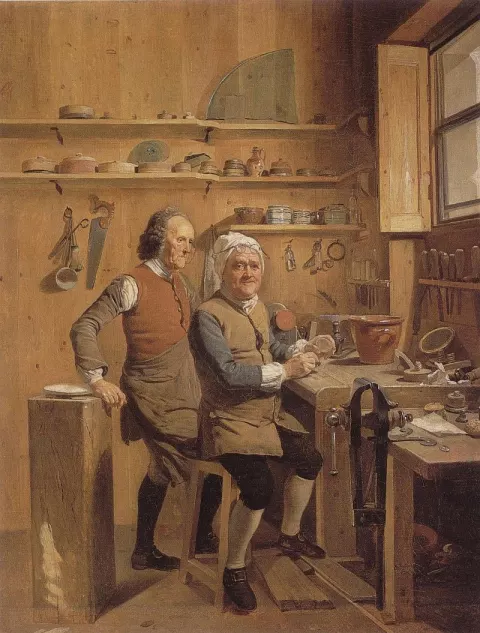
John Cuff, Master of the Worshipful Company of Spectacle Makers, and his assistant. By Johann Zoffany, 1772.
To conduct some kind of trade or produce some kind of good, a person had to be a member of a specific guild.
Liverymen retain the exclusive right of voting in the election of the Lord Mayor of the City of London who is to represent, support and promote all aspects of UK-financial service industries.
Chapters
Medieval guilds
The guilds were an important part of life in medieval times. They were professional associations of craftsmen and trades. Similar organizations existed in the Roman Empire under the name “collegia opificum” to protect and advance the interests of the trade, as did the medieval guilds. Some scholars consider them to be forerunners of medieval guilds while some disagrees with the idea of continuity. Guilds were not only interested in professional lives of their members, they also influenced on their personal life. Most of the guilds had their saint patron and on the day of the patron they were obligated to attend masses and processions in the honor of the saint.
Guilds also cared for their members and especially for those of lesser material status. Members were supported if they became ill, funerals were organized by the guilds and they often cared for the widows of impoverished members. Guilds also took care of orphans of guild members and took care of charity trusts of their richest members.
As a professional associations, guilds protected monopoly of their trade in the area of their operations. To conduct some kind of trade or produce some kind of good, one had to be a member of a specific guild. For example if one wanted to produce and sell blacksmith’s goods one had to be a member of the blacksmiths guild if that kind of guild existed in a town. Only members of a guild could sell within a town. However, on market days anybody could sell their goods in the market whether they were part of some town’s guild or were foreigners. Thus guilds protected their trade from outside competition but competition between members was also regulated by fixed pricing policies – guilds had usually defined lowest prices allowed. To maintain this kind of system and to ensure for all members to be prosperous there were various methods of regulating the number of guild members.
Membership in guilds
To become a guild man one had to go through 3 stages; first he was an apprentice, then journeyman and finally the master. Apprentice was usually a teenager who went to live with a master and his family, while his parents paid the master to do so. Apprenticeship could last up to 7 years during which the apprentice was subject to the master and learned the rudiments of the trade. After agreed number of years apprentice would became journeyman, a paid worker. The next step was to produce a masterpiece that would satisfy the master of the guild so that he could assume the title of master craftsmen and would thus get membership in the guild. If the economy was tight, it was not desirable to have too many masters in a guild, and the masters would not admit anyone to their ranks to strain the economy.
All members of guilds were obligated to retain all trade secrets. Guilds were sometimes reluctant to adopt technical improvements to their trade as a mean to protect the quality and workforce that would be replaced with innovations. In cases where guild adopted or invented some new production innovations it was kept in utmost secrecy. There are even cases where keeping trade secrets was enforced by the penalty of death. Such cases were in regard with glassmaking in Venice, silk production in Bologna, Lucca, Genoa, and other Italian cities, hourglass and small iron good in Nuremberg and weapon and knives production in Solingen.
Besides protecting the members, the guilds also protected customers. Each guild had a set of regulations concerning the quality of goods. Some rules, such as a long apprenticeship and the determination of the lowest price, at the same time protect the profession and consumers.
Power of guilds started to decline from the late 16th century because of the increase in population and new trends in commerce. Towards the end of the 18th century and the beginning of the 19th century the guild system became a target of much criticism. They were believed to oppose free trade and hinder technological innovation, technology transfer and business development. From then on they were gradually being abolished throughout Europe. However, in the City of London there are more than 110 guilds, most referred to as Livery Companies, today.
John Cuff, Master of the Worshipful Company of Spectacle Makers, and his assistant. By Johann Zoffany, 1772.
Livery Companies 2
In the City of London there are one hundred and ten Livery Companies. The word ‘livery’ refers to uniform clothing as means of identification. Many of them assumed their distinctive dress in the early 14th century. The older companies began as trade guilds, fulfilling the traditional role the guild had, such as protecting and regulating their various trades, insisting on certain standards of material and craftsmanship and caring for their less fortunate members. Today many of them have nothing to do with their traditional craft but serve mostly as charitable institutions. Some of the Livery Companies such as Goldsmiths, Fishmongers, Vintners, Glovers, and Stationers, for example, still have considerable interest and influence in their respective trades, as do some of the more recently formed companies.
Hierarchy structure of the company consists of Master, Wardens and Court of Assistants. Master, alternatively styled by some companies as Prime Warden or Bailiff, governs the company assisted by Wardens with various titles such as the Upper, Middle, Lower, or Renter Wardens. Court of Assistants acts like board of directors and is electing its Master and Wardens.
Members generally fall into two categories: freemen and liverymen. Traditionally one acquired “freedom of the company” by serving a specific number of years as an apprentice to a senior member of the company. Another way to acquire freedom of the company, traditional and modern, is by “patrimony” if either parent were a liveryman of the company, or by “redemption” upon paying a fee. Most livery companies reserve the right to admit distinguished people, particularly in their sphere of influence, as honorary freemen. If one wants to advance from freeman to liveryman, he has to obtain the freedom of the City of London, after which Court of Assistants give or do not give their approval. Through centuries liverymen had great influence not only on commerce of London but also on London’s politic. There are twelve principal companies in order of precedence and until the second half of the 16th century, it was required that aldermen should be members of the Great Twelve. Until 1742 Lord Mayors were also required to be members of the Great Twelve. Today liverymen vote in the annual election of London’s Sheriffs and various other City civic offices such as Lord Mayor of the City of London. Although these offices are only ceremonial for the most part, Lord Mayor of the City of London is to represent, support and promote all aspects of UK-financial service industries.
The Livery Companies generally grew and prospered in the 14th, 15th and 16th centuries. As their significance and numbers grew they started to acquire halls as permanent meeting places. The halls were the places to settle trade disputes, bind apprentices, elect masters and wardens, discuss business and to socialize. Most of the halls were burnt down in the Great Fire of London in 1666, and those that survived were destroyed during World War II. Some were rebuilt on their original places and today there are 42 halls in use. As some companies do not have their own halls they rent those existing. The halls can also be rented for various occasions to non-livery purposes.
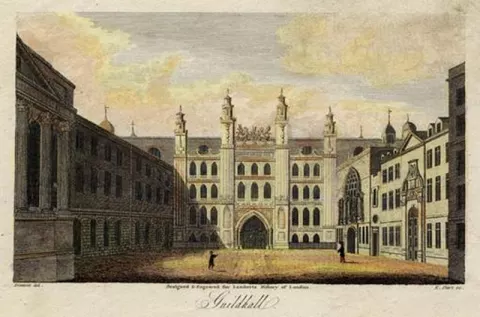
Since the twelfth century Guildhall was the place where Lord Mayor of London and the ruling merchant class held court, fine-tuned the laws and trading regulations that helped create London’s wealth.
The Great Twelve Companies
Livery Companies competed each other in the matter of prestige and after many years of fierce dispute, an order of precedence for livery companies was finally settled in 1515 by the court of alderman, starting with Mercers at number 1 and so on down to number 48. Already in the City records in 1376 there is reference to “'Twelve Principal Mysteries”, today's Great Twelve Companies. The Great Twelve by the order of precedence are the Mercers, Grocers, Drapers, Fishmongers, Goldsmiths, Skinners, Merchant Taylors, Haberdashers, Salters, Ironmongers, Vintners, and Clothworkers. The Skinners and Merchant Taylors each year alternate their ranks in sixth or seventh place.
The Great Twelve Companies
The Worshipful Company of Mercers
The Worshipful Company of Mercers is the premier Livery Company of the City of London and ranks first in the order of precedence of the Companies. The Company was incorporated under a Royal Charter in 1394, the Company's earliest extant Charter. The Company's original aim was to act as a trade association for general merchants, and especially for exporters of wool and importers of velvet, silk and other luxurious fabrics. Today the Company exists primarily as a charitable institution making substantial grants to support education, general welfare, church and faith and arts and heritage. A network of almshouses, homes for the elderly and 17 schools across the country are supported by the Company. The Company's motto is “Honour to God”.
The Great Twelve Companies
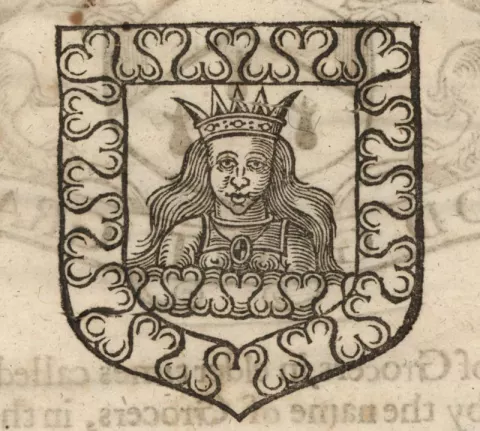
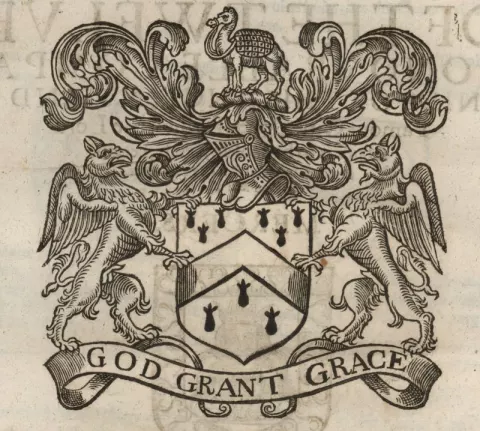
The Worshipful Company of Grocers
The Worshipful Company of Grocers ranks second in order of precedence. The Company probably derives its name from the Latin, “grossarius”, one who buys and sells in the gross, in other words a wholesale merchant: since its earliest days the members were wholesale dealers in spices and foreign produce. Established in 1345, it is one of the original Great Twelve City Livery Companies. The Company was first mentioned in the 1100 as the Ancient Guild of Pepperers. In 1345, 22 members founded a new fraternity in the City of London and in 1373 the fraternity is referred to as the Company of Grosseres. In 1428 the Company’s first Royal Charter was granted by King Henry VI. Today the Company is primarily concerned with charity works and supports education, medical research, heritage, art and other UK-registered charities. The Company's motto is “God Grant Grace”.
The Great Twelve Companies
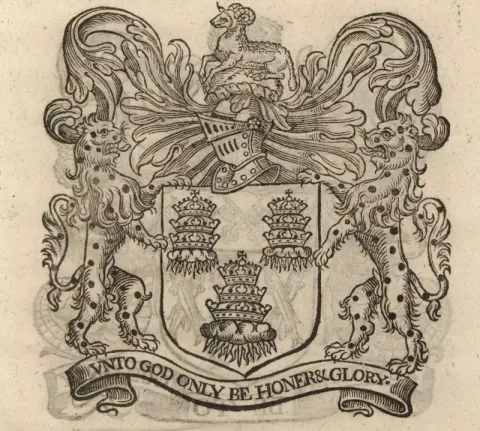
The Worshipful Company of Drapers
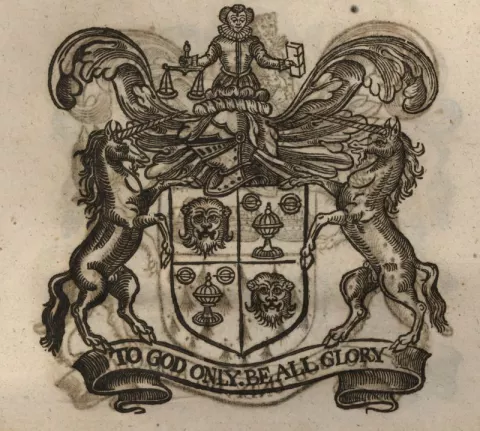
The Worshipful Company of Drapers existed as an informal association of drapers as early as 1180. The organization was formally founded in 1361, and it received a Royal Charter in 1364. It was incorporated as a company under a Royal Charter in 1438 and was the first corporate body to be granted a coat of arms. Originally the Company was a trade association of wool and cloth merchants. About its significance in life of London testifies the fact that over one hundred Lord Mayors have been members of the Company. The first Lord Mayor, Henry Fitzailwyn, is thought to have been a draper. Today, the Company exists as a charitable, ceremonial and educational institution. It primary concerns lay within education, social welfare, textiles and heritage. The Company's motto is “Unto God Only be Honour and Glory”.
The Great Twelve Companies
The Worshipful Company of Fishmongers
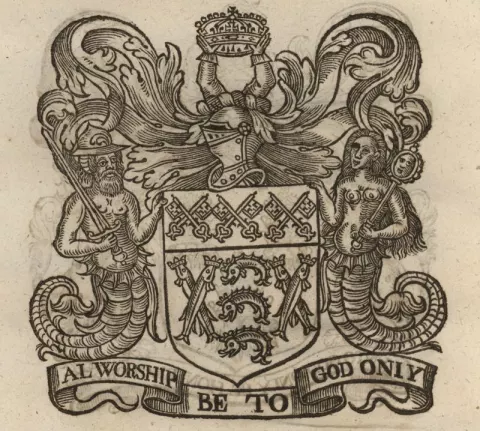
The Worshipful Company of Fishmongers received its first Royal Charter in 1272, although, the organization existed even earlier. The company had monopoly on fish trade in London and surrounding area. In 1383 their fish trade monopoly was abolished, however, in a Royal Charter granted to the Fishmongers by Richard II in 1399, all their privileges were restored. The Company is even today tasked with the role of overseeing the quality of fish imported into the City of London, mostly via Billingsgate Market, the UK’s largest fish market. The company is in various ways included in improvement of UK’s fishing industry and charity by supporting research, education, and other charities. The Company's motto is “All Worship Be Unto God Alone”.
The Great Twelve Companies
The Worshipful Company of Goldsmiths
The Worshipful Company of Goldsmiths was established as a medieval guild for the goldsmith trade, and over time became responsible for silversmiths and jewelers too. The Company received a Royal Charter in 1327, and since then was in charge of testing the quality of precious metals. Today, the Company is one of the few Livery Companies still to play a formal role in its ancient trade; they oversee the London Assay Office, where objects made of precious metals are tested for purity and is also responsible for checking the validity of British coinage. Like other Livery companies it has a long tradition of charitable works. Its motto is “Justice is Queen of Virtues”.
The Great Twelve Companies
The Worshipful Company of Skinners
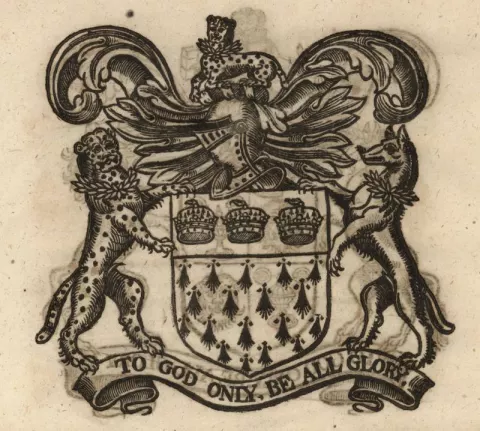
The Worshipful Company of Skinners developed from the medieval trade guild of furriers and was incorporated by Royal Charter in 1327. The Skinners are normally sixth in the order of precedence in even numbered years, and at seven in odd numbered years. Today the Company is a not-for-profit organization involved in running schools, sheltered housing and grant programs for individuals, educational institutions, and a wide range of small organizations throughout the UK. The Company’s motto is “To God only be all glory”.
The Great Twelve Companies
The Worshipful Company of Merchant Taylors
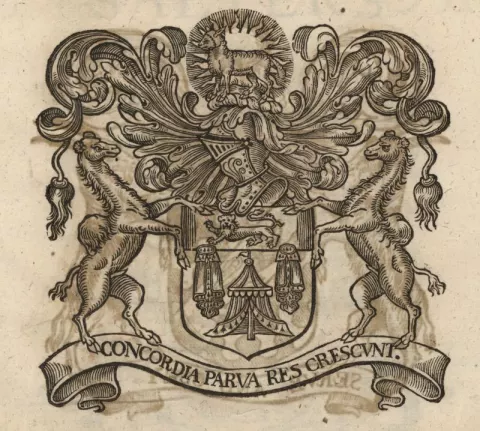
The Worshipful Company of Merchant Taylors started as an association of artisans, ie working tailors, originally known as the Guild and Fraternity of St. John the Baptist in the City of London. It was founded prior to 1300 and was first incorporated under a Royal Charter in 1327, confirmed by later charters in 1408, 1503 and 1719. From its beginning to the late 15th century company went through changes, most importantly its senior membership contained an increasing number of wealthy merchants, trading within England and also overseas. This affected the name change to the Company of Merchant Taylors by a royal charter of 1503. Today company is primarily a charitable institution, although it is the principal sponsor and organizer of the prestigious biannual “Golden Shears” competition for aspiring young tailors. The company’s motto is “In Harmony Small Things Grow”.
The Great Twelve Companies
The Worshipful Company of Haberdashers
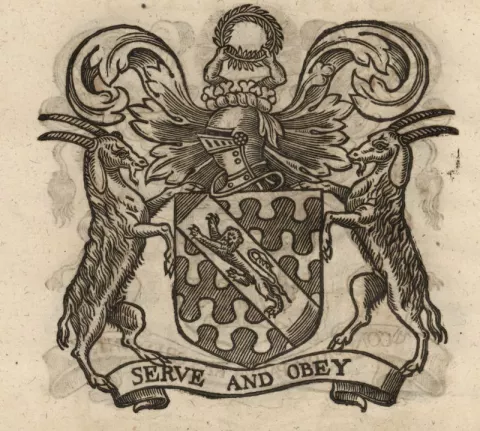
The Worshipful Company of Haberdashers has its roots in a fraternity whose members lived in the same area doing the same sort of work in medieval times and who worshipped at St. Paul's Cathedral. They sold ribbons, beads, purses, gloves, pins, caps and toys. In 1502 were joined by the hatmakers’ fraternity, after which there were two types of haberdasher: haberdashers of hats and the original haberdashers of small wares. Its records date back to 1371, when the first surviving ordinances were recorded by the Mayor's Court. In 1448 the Company was granted a charter of incorporation by Henry VI enabling it to hold land and to have its own Hall in which to hold meetings. Today the Company is concerned with education and charitable giving. The company’s motto is “Serve and Obey”.
The Great Twelve Companies
The Worshipful Company of Salters
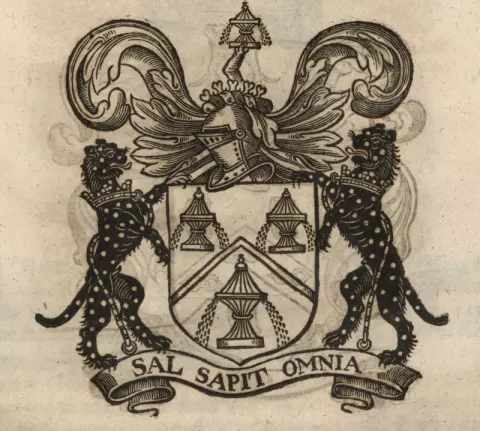
The Worshipful Company of Salters included individuals whose trades involved the usage of salts and the preparation of chemical mixtures for use in food. It first received Royal Charter in 1394 but its origins dates much more into history around group living in the Bread Street and attending the Parish Church of All Hallows. Today the Company is a charitable organization and supports the chemical industry and education. The Company’s motto is “Salt Savours All”.
The Great Twelve Companies
The Worshipful Company of Ironmongers
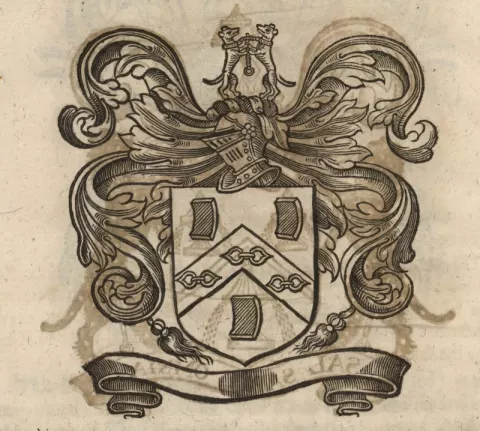
The Worshipful Company of Ironmongers, originally known as the Ferroners, was incorporated under a Royal Charter in 1463, which was reconfirmed in 1558, 1560, 1604 and 1687 by various monarchs. The earliest records suggest that the Ironmongers were active from 1300. By 1328 they were regarded as a firmly established brotherhood, joining in the elections of the City officials. The Company's original association with iron merchants is loosely connected today by its charitable institutions and works to promote the craft of ironwork. The Company’s motto is “God Is Our Strength”.
The Great Twelve Companies
The Worshipful Company of Vintners
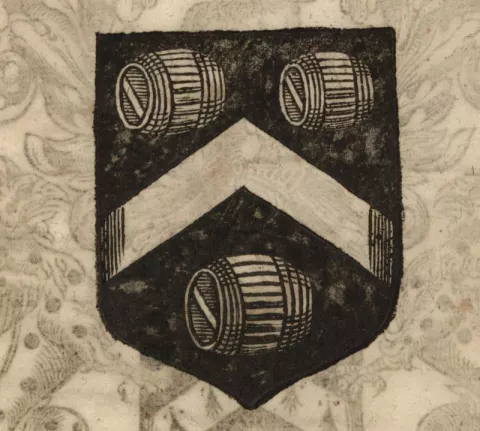
The Worshipful Company of Vintners first received a Royal Charter in 1364 but it probably existed as early as the twelfth century. The Royal Charter was in fact a grant of monopoly over wine imports from Gascony. It gave far-reaching powers, including duties of search throughout England and the right to buy herrings and cloths to sell to the Gascony. Between 1446 and 1448, wine made up nearly one-third of England's entire import trade. Due to its political involvement in the half of 17th century company started to decline, but because of its charitable works it survived until today. The Company continues to maintain strong links with the UK Wine Trade. Vintners' Hall is known as the Trade's “spiritual home”. The Company's motto is “Wine Cheers the Spirit”.
The Great Twelve Companies
The Worshipful Company of Clothworkers
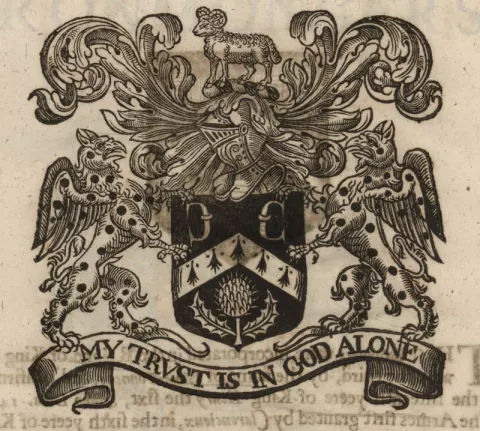
The Worshipful Company of Clothworkers was formed by the amalgamation of its two predecessor companies, the Fullers, incorporated in 1480, and the Shearmen, incorporated in 1508. The amalgamation happened in 1528. Both the Fullers and Shearmeen were in the craft of finishing wool cloth after weaving, and it was only natural that they merge. The Fullers' Company was involved in the first stages of cloth finishing such as fulling, or cleaning, the woven cloth, using a mixture of water and grease-absorbent Fullers’ earth. Next phase was stretching, or tentering, the cloth by drying it under tension. The final stage in Fullers domain was teaselling, or to raise the nap (or roughness) of the cloth, using Fullers’ teasel heads in hand-held frames, to rake off impurities. The final stages were conducted by the Shearmen’s Company. Their stages included shearing the cloth to remove the excess nap and loose fibres and create an even surface. The final stage was planing or flattening the fabric. Today the Company is, like all other Livery Companies, involved in charity work. The Company’s motto is “My trust is in God alone”.
172 lives in this room
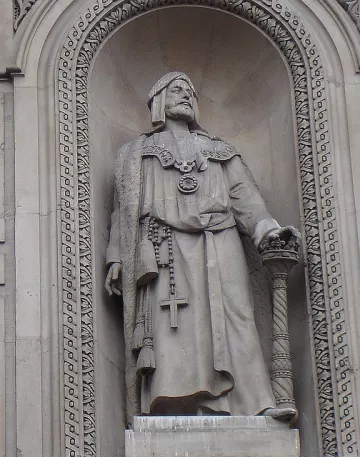 Richard Dick Whittingtonc. 1354-1423
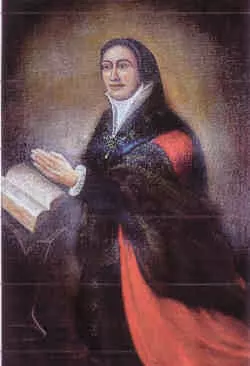 Margeret Kempec. 1373-c. 1440
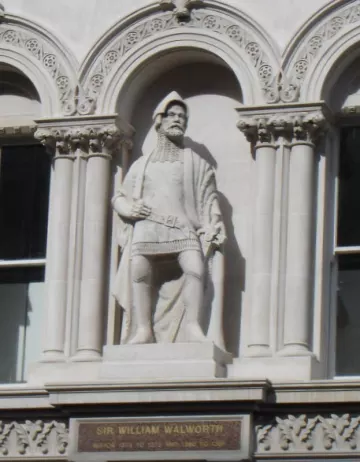 Sir William Walworthdied 1385
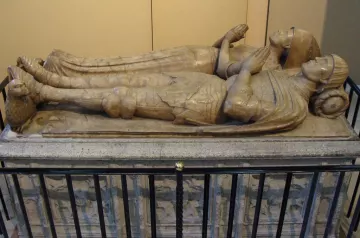 Sir John Crosbyd. 1476
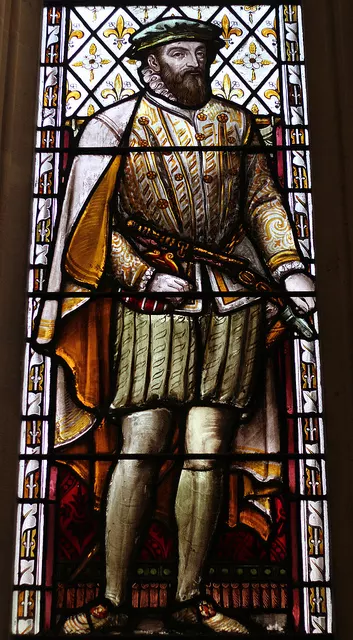 Sir Richard Greshamc. 1485-1549
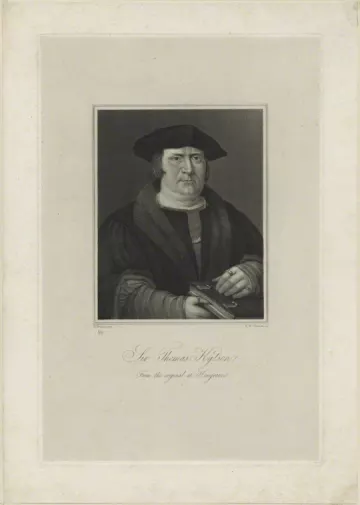 Sir Thomas Kitson1485-1540
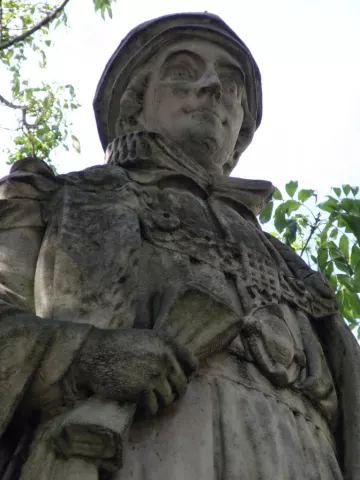 Sir Thomas White1492-1567
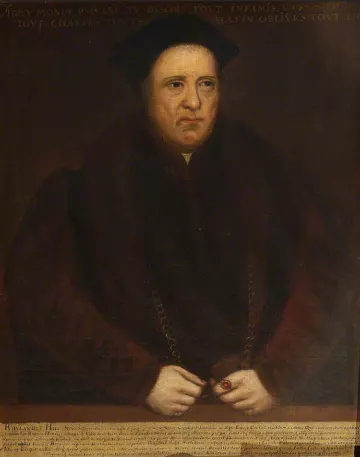 Sir Rowland Hill1495-1561
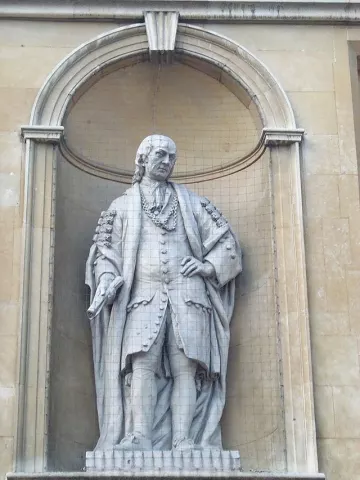 Sir William Harpurc. 1496-1574
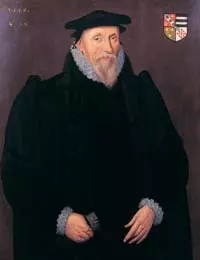 Thomas Aldersey1521-1598
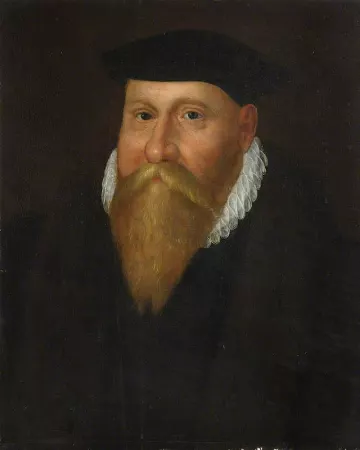 Thomas Smythe1522-1591
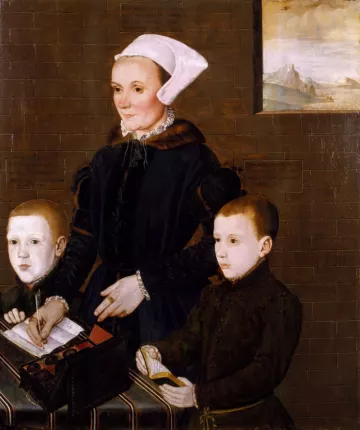 Alice Bradbridge1523-1604
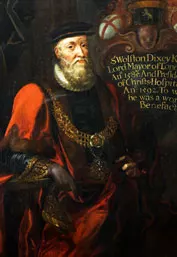 Sir Wolstan Dixie1524-1594
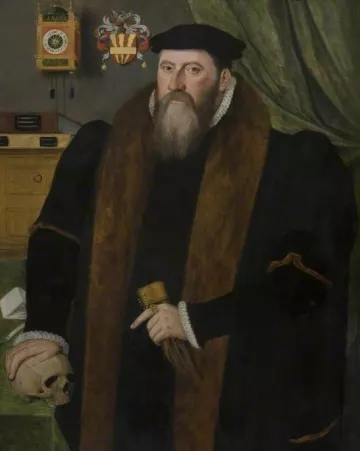 John Isham1525–1596
 Sir John Spencerc. 1530- 1610
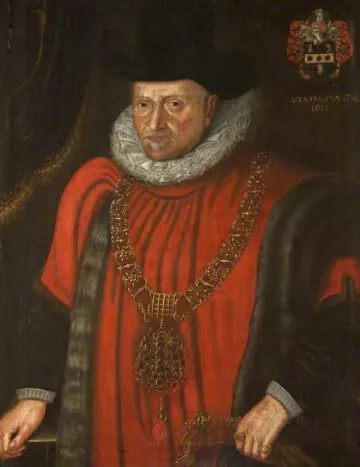 Sir Thomas Cambellc. 1536-1614
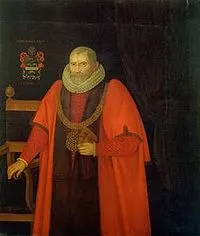 Sir John Leman1544–1632
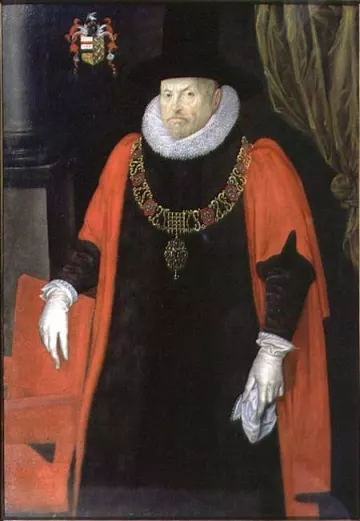 Sir William Cravenc. 1545-1618
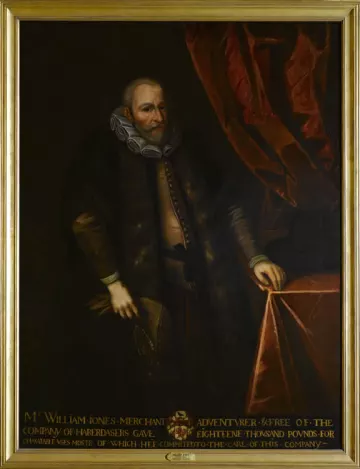 William Jonesc. 1545/1550-1615
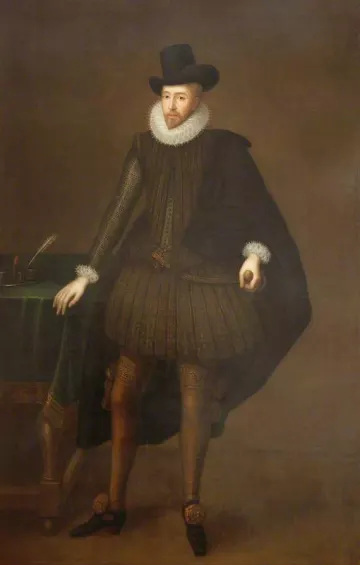 Baptist Hicks, 1st Viscount Campden1551-1629
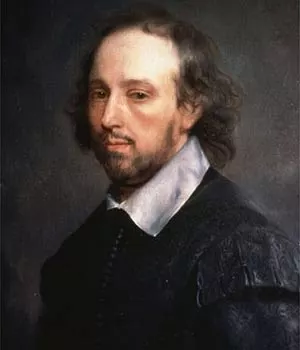 Gilbert Shakespeare1556-1612
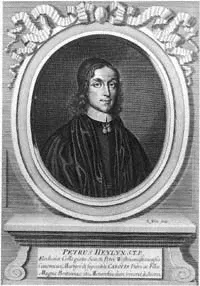 Rowland Heylyn1562-1631
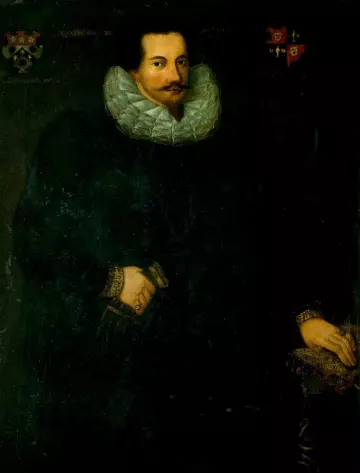 Sir William Herrick1562-1653
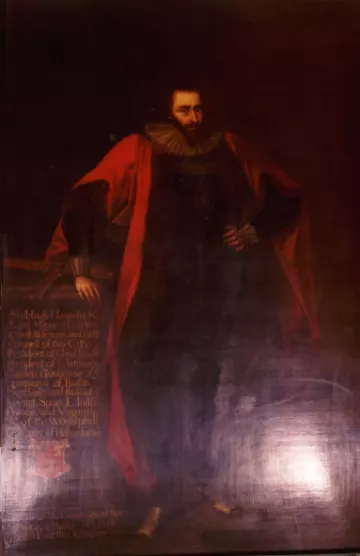 Sir Hugh Hamersley1565-1636
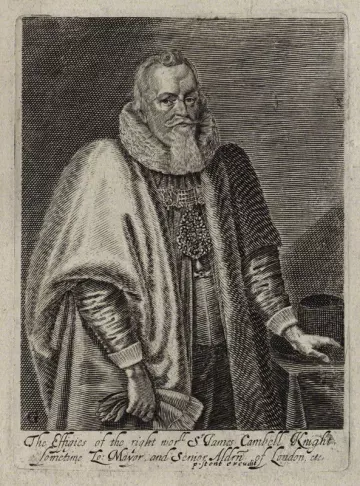 Sir James Cambell1570-1642
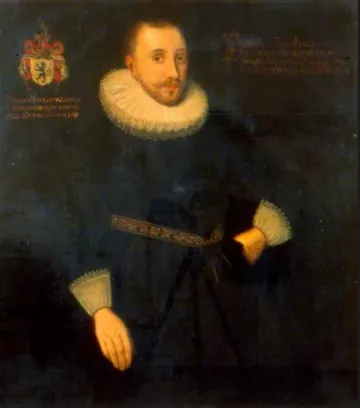 John Kendrick1573-1624
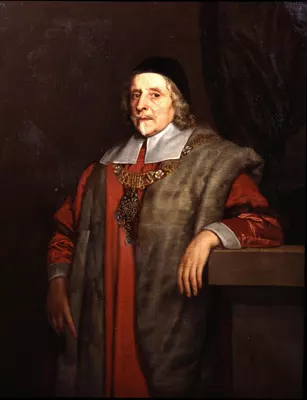 Sir Thomas Viner1588-1665
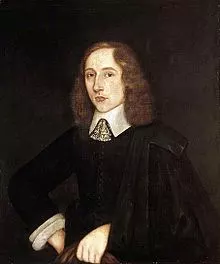 John Fowkec. 1596 – 1662
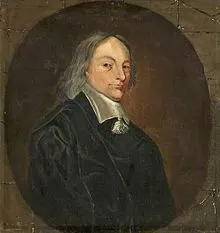 Sir Thomas Richc. 1601-1667
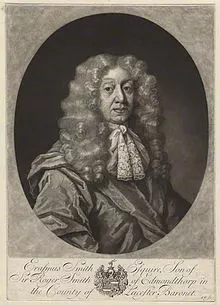 Erasmus Smith1611-1691
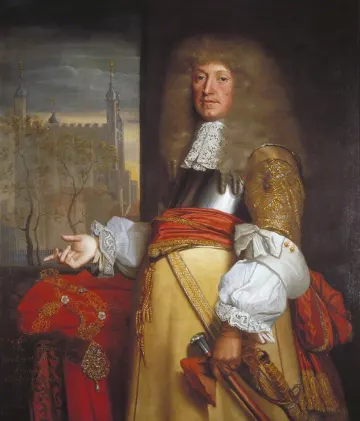 Sir John Robinson1615-1680
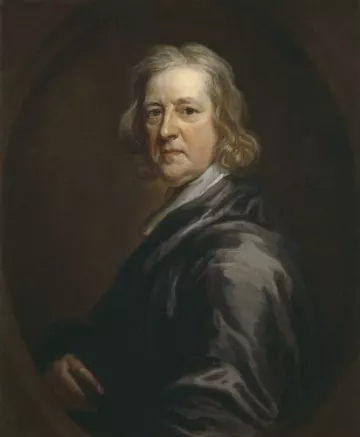 Thomas Papillon1623–1702
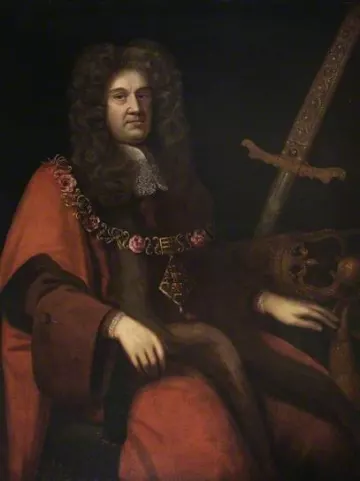 Sir John Houblon1632–1712
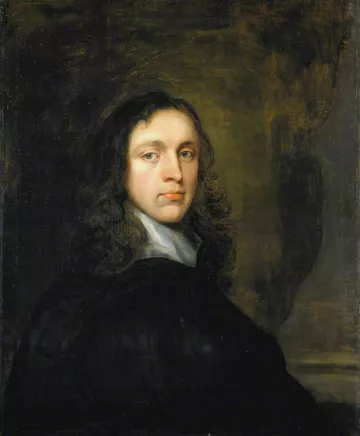 Abraham Hill1633-1722
 Ambrose Crowley1658-1713
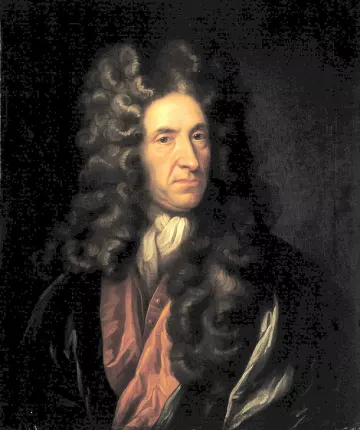 Daniel Defoec. 1660-1731
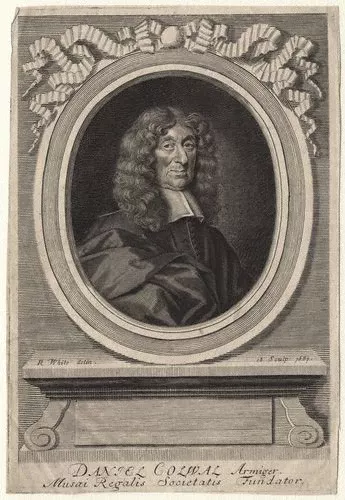 Daniel Colwalld. 1690
More lives in this room
- Richard Renger d. 1239
- Thomas Fitzthomas d. c. 1276
- Sir John Pulteney c. 1290-1349
- Gregory de Rokesley d. 1291
- Henry le Walleis d. 1302
- Rose of Burford died 1329
- Andrew Aubrey d. 1356
- Richard Sherman fl. 1364-1397
- John Lovekyn d. 1368
- William Sevenock c. 1373 - 1433
- Richard Lyons d 1381
- Sir John Philipot d. 1384
- Sir Nicholas Brembre d. 1388
- John Hadley d. 1410
- William Baret d. 1411
- Henry Halton d. 1415
- John Hende d 1418
- William Chichele d. 1427
- William Oliver d. 1432/3
- Thomas Knolles d. 1435
- Sir Hugh Clopton c. 1440-1496
- Robert Large died 1441
- Nicholas Wotton d. 1448
- William Capel 1448-1515
- Sir Stephen Jenyns c. 1450-1523
- Henry Kebell 1452-1517
- Sir William Fitzwilliam 1460-1534
- George Monoux c. 1465-1541
- Sir William Holles c. 1471-1542
- Sir Ralph Warren c. 1486-1553
- Thomas Spring died 1486
- Sir Edmund Shaa died 1488
- Andrew Judde c.1492–1558
- John Gresham c. 1495-1556
- Sir John Shaa died c. 1503
- Sir Henry Colet d. 1505
- Sir Thomas Leigh c. 1509 – 1571
- Lawrence Sheriff c. 1510-1567
- Sir William Browne d. 1514
- William Humfrey c.1515–1579
- Sir William Garrard 1518-1571
- Sir Rowland Hayward c. 1520-1593
- Richard Arnold died c. 1521
- Thomas Egerton 1521-c.1590
- Peter Symonds c. 1528–1586
- Richard Clough c. 1530–1570
- Sir Edward Osborne 1530-1591
- Michael Lok c.1532 – c. 1621
- Robert Amadas died 1532
- Sir George Barne III c. 1532–1593
- Sir John Mundy died 1537
- William Dauntesey d. 1542
- Sir Stephen Soame c. 1544-1619
- Richard Tylman 1546-1584
- Sir Thomas Lowe c. 1546-1623
- William Sanderson 1547-1638
- Stephen Vaughan died 1549
- Sir Humphrey Monmouth 16th century
- Sir James Pemberton 1550-1613
- Sir Thomas Myddelton 1550-1631
- Richard Gore c.1554-1622
- Benedict Barnham c. 1559-1598
- Sir Francis Jones 1559-1622
- Robert Bateman 1560-1644
- Sir William Cockayne 1561-1626
- Sir William Hewett died 1567
- Sir John York died 1569
- Thomas Banister died 1571
- Sir Edmund Wright 1573-1643
- Sir Henry Garraway 1575-1646
- Richard Bushrode 1576-1628
- Sir Richard Gurney 1577-1647
- Sir James Harvey died 1583
- Isaac Penington c. 1584- 1661
- William Abell c. 1584-c. 1655
- Sir Abraham Reynardson 1590-1661
- Robert Brandon died 1591
- Sir Lewes Roberts 1596-1641
- George Sotherton died 1599
- Sir John Frederick 1601-1685
- Sir Richard Saltonstall died 1601
- John Blakiston c. 1603–1649
- Joseph Brand 1605-1674
- Sir Henry Billingsley died 1606
- Walter Bigg 1606-1659
- John Bushrode 1612 - 1684
- John Jolliffe 1613-1680
- Henry Ashurst c. 1614 – 1680
- Sir William Vincent c 1615 - 1661
- John Lovelace 1616-1670
- Richard Wright d. 1617
- Sir Richard Martin died 1617
- Sir Thomas Hayes died 1617
- Henry Breres d. 1619
- Sir George Bolles d. 1621
- Sir John Jolles died 1621
- Sir Sebastian Harvey died 1621
- John Breedon Senior 1622-1685
- William Badcock 1622-1698
- Thomas Western c 1624-1707
- Sir Thomas Bennett died 1627
- Sir Allan Cotton d. 1628
- Sir Patience Ward 1629–1696
- Sir Cuthbert Hacket d. 1631
- Ralph Freeman died 1634
- Sir Edward Barkham died 1634
- Robert Murray 1635 – c. 1725
- Matthew Cradock d. 1641
- John Langley 17th century
- Joseph Vere 1650
- Robert Aske 1650
- Sir Francis Child 1650
- Sir Francis Eyles c.1650–1716
- Sir Humphrey Edwin 1650
- Sir John Cutler 1650
- Sir Richard Hoare 1650
- Sir Robert Clayton 1650
- Sir Robert Viner 1650
- Thomas Scawen c. 1650-1730
- William Paterson 1650
- Thomas Witherings d. 1651
- Sir Basil Firebrace, 1st Baronet 1652-1724
- Francis Levett 1654-1705
- George Whitmore died 1654
- John Holland 1658–1722
- John Freame 1665-1745
- Sir George Thorold c.1666-1722
- Sir Charles Lloyd died 1678
- David Barclay 1682–1769
- Andrew Drummond 1688-1769
- John Lawrence died 1692
- William Humfreys died 1735
- Henry Hoare II 1750
- Sir Richard Glyn 1750
- William Leighton 1750