Museum / Rooms / History of mining
Room · 7 chapters · 85 lives
History of mining
HISTORY OF MINNING
To gain access to metals new trade routes were founded and wars were fought
Metals and history
Mineral products such as gold, silver, iron, copper, zinc and other were highly prized and required in history. They were used for weapons, monetary standards, jewelry and ornaments. Since its deposits weren’t available in all areas and weren’t replicable, the need for metals fostered development of trade starting from prehistoric times. After the establishment of global trade network around 1500 metals have become more important than ever, both as European products intended for foreign markets and as raw materials from Africa, India, East Asia and the Americas.
Rock ’n’ knowledge
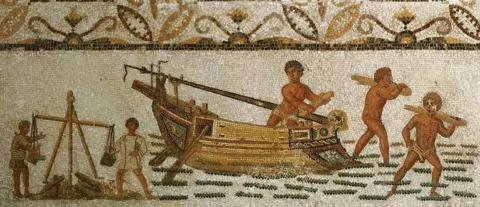
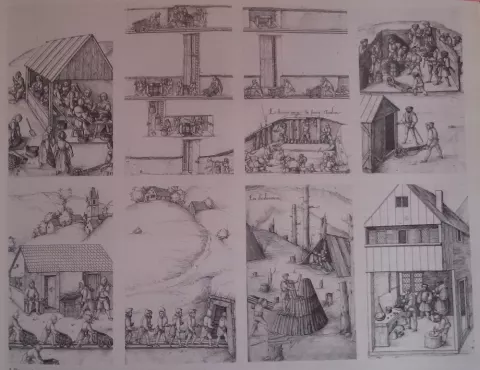
Metals were obtained through process of mining that involves the extraction, refining and processing of economically valuable rocks. Technological advances in both mining and metallurgical techniques corresponded the growth of mining in world trade.
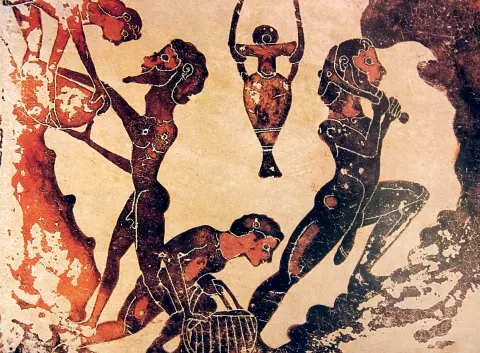
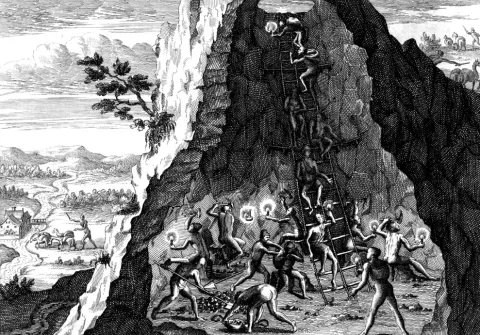
Mining was the most miserable job in history which is why most miners were slavers or prisoners.
Copper
Resistant to corrosion and flexible, copper is known as one of the oldest and the most plentiful metals known to humanity. Along with silver and gold, it was one of three metals that served as money in the Western world, but was also convenient for weapons and tools. Copper money was sometimes called “black money” because when it mixed with a bit of silver it quickly became black. Before the Spanish Conquest copper was actually more valuable than gold in North America, Mexico, and Peru. By 3500 BC it was discovered that the combination of copper and tin yielded bronze which resulted in increased demand for copper during the Bronze Age. The Industrial Revolution in the 18th century imposed a greater demand for this metal, with Britain and Sweden as main suppliers.
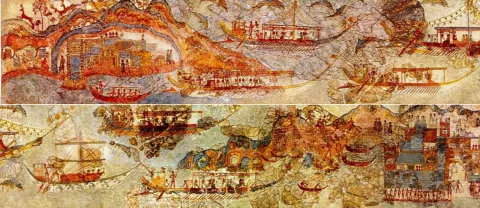
Discovery of extensive deposits of copper on Cyprus in antiquity brought to its inhabitants a great wealth. Moreover, the very word copper is derived from the Latin name for the island, “cyprium” which was corrupted to “cuprum”.
Tin
Tin is a metal which can be found on every continent in the world. Its popularity grew during the Bronze Age after the Mesopotamians discovered that tin mixed with copper produced bronze. In the civilizations of the Middle East it was used for ceramic glaze, while ancient Greeks used it in sculpture. In time of the Phoenicians and Romans tin was mined in Cornwall. After the Age of Discovery the main source of this metal became South America, and from the second half of the 19th century it was extensively mined in Southeast Asia.
According to some theories, the name of Britain may come from “barr” (land) and “tannic” (tin).
Gold
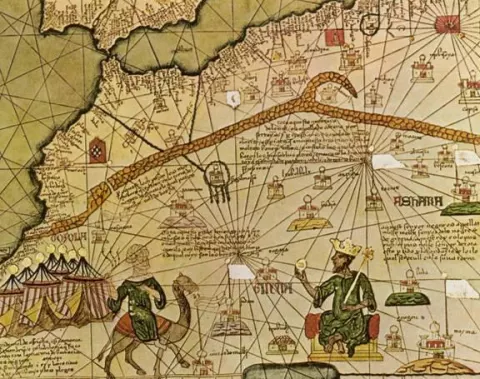
Gold is considered the most enduring and highly valued metal in history. The ancient civilizations of Egypt, Mesopotamia and Americas considered gold as divine substance. As it was too soft for making weapons and tools, gold was employed in artistic work and as money and jewelry. During the Middle Ages the sub-Saharan region with the ancient Ghana and later the Mali Empire, was the main supplier of gold for the Mediterranean civilizations. Following the discovery of the New World in the 15th century, the Americas became a great source of this metal with more than 181 tons of gold and 16,000 tons of silver shipped from the New World to Spain between 1500 and 1650.
Gold was a man’s desire for ages. Desire to find formula for changing ordinary metals into gold in ancient Egypt gave birth to alchemy, the forerunner of chemistry. Legend of El-Dorado, a city in land fabulously rich in gold resulted in exploration and conquest of much of the Americas.
Iron
Iron is the earth’s most plentiful metal usually used in arms production. Wrought iron was the leading tool and weapon making material from Roman times through the medieval era. During the Middle Ages new inventions were introduced and iron production increased, especially in Belgium, Germany, Austria, and Bohemia. During the Industrial Revolution iron became a main raw material for heavy industry.
Silver
Until the Industrial Revolution silver was considered the world's most traded metal. The silver mines of Laurium near Athens were the largest source of silver until the 1st century. The Spanish mines, first held by the Phoenicians and later by the Romans, were a key source of silver for nearly 1,000 years. After the discovery of Americas, Zacatecas and Guanajuato in Mexico and Potosí in Bolivia proved to be the richest sources of silver in the world, making Spain the wealthiest country in Europe overnight.
In the 6th century BC the Greek poleis Sparta introduced the iron currency to discourage accumulation of wealth and to avoid its evil consequences.
Even 98 percent of all the precious metal taken out of the New World was silver, and around one-third of New World silver ended up in China for financing the luxury trade.
Chapters
Metals and history
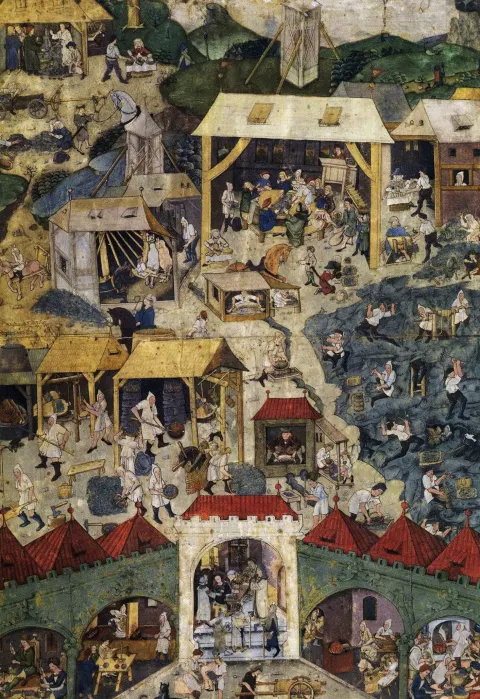
Metals have had an important role in shaping of human history. Even two prehistorical periods – the Bronze Age and the Iron Age are named after metals. Mineral products, such as gold, silver, iron, copper, zinc and others, were highly prized and required in building of civilizations. They were obtained through process of mining that involves the extraction, refining and processing of economically valuable rocks.
Since the minerals are not replicable – nations, individuals or companies which were not in their possession, traded or conducted wars in order to acquire resources. Long-distance trade, therefore, had been an integral part of mining and metallurgy from its beginnings. Technological advances in both mining and metallurgical techniques corresponded the growth of mining in world trade.
Trade in valuable metals and metallic objects existed for millennia. The prehistoric societies had an established trade network through Europe, North Africa and parts of Asia. The ancient Romans have spread mining and metallurgical techniques further to north and east. While in medieval Europe trade in metals was conducted in moderate framework, the East Asian societies of the time developed the world's most advanced techniques and high volume trade concentrated in China. A wide-range international metal trade developed in the late 15th century during the European voyages of exploration. After the establishment of global trade network around 1500 metals have become more important than ever, both as European products intended for foreign markets and as raw materials from Africa, India, East Asia and the Americas.
Copper
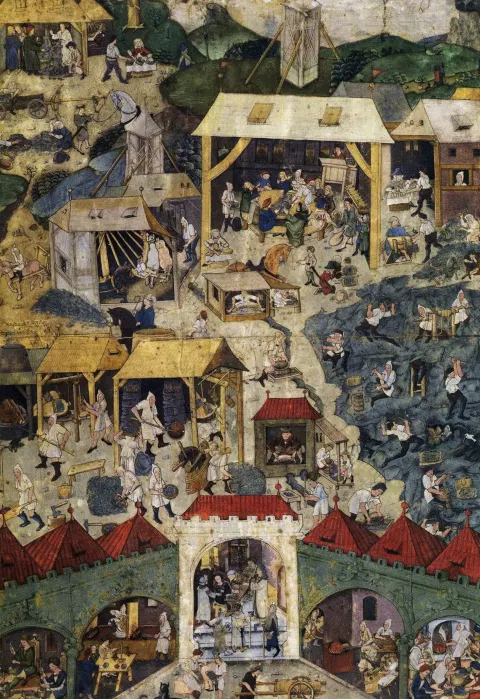
Copper is known as one of the oldest and the most plentiful metals known to humanity. Its use dates back to the 3rd millennium BC. Resistant to corrosion and flexible copper was along with silver and gold, one of three metals that served as money in the Western world, but was also convenient for weapons and tools. During the early antiquity, the only copper-producing areas known were Sumer, Egypt and Cyprus. Discovery of extensive deposits on Cyprus brought to its inhabitants much wealth. Moreover, the very word copper is derived from the Latin name for the island, “cyprium” which was corrupted to “cuprum”.
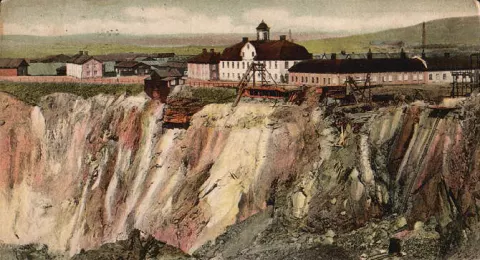
A postcard depicting the Falun mine, circa 1907.
The Phoenicians, the great sailors and traders who established trade network in Western Mediterranean were credited with founding and exploiting the large sources of copper in the Iberian Peninsula. The ancient Romans improved the process of mining and besides mines in Spain they also exploited the regions from the Balkan and Asia Minor. In the Middle Ages, Britain, Germany and Sweden supplied most of northern European demands for this metal. Copper was also widely used in the Chinese and Indian cultures, as well as in pre-Columbian civilizations of the Aztecs and Incas. The Industrial Revolution in the 18th century imposed a greater demand for copper, with Britain and Sweden as main suppliers. Finally, during the 19th century, copper mining occurred in many regions around the world.
Tin
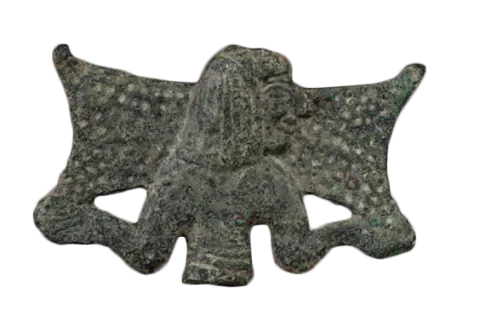
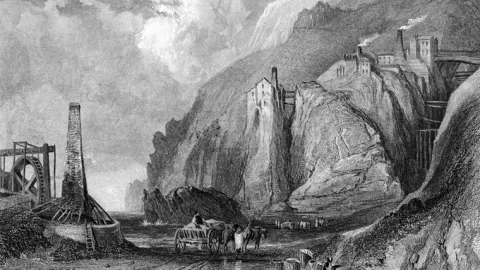
A Cornish tin mine in the 19th century.
Tin is a metal which can be found on every continent in the world. The ancient Sumerians were the first people to combine tin with other metals, and were credited with discovery of process that produced bronze. They continued to use tin for the next 500 years, until the local sources were exhausted. The need for tin supplies was a drive factor for establishing trade relations between Mesopotamia and other lands. By 1800 BC, the use of tin spread beyond the original framework. In the civilizations of the Middle East it was used for ceramic glaze, while ancient Greeks used it in sculpture. In time of the Phoenicians and Romans tin was mined in Cornwall. After the Age of Discovery the main source of this metal became South America, and from the second half of the 19th century it was extensively mined in Southeast Asia.
Gold
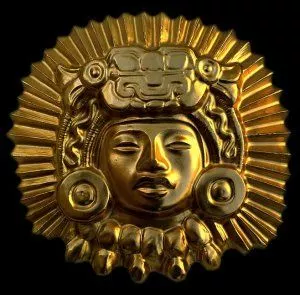
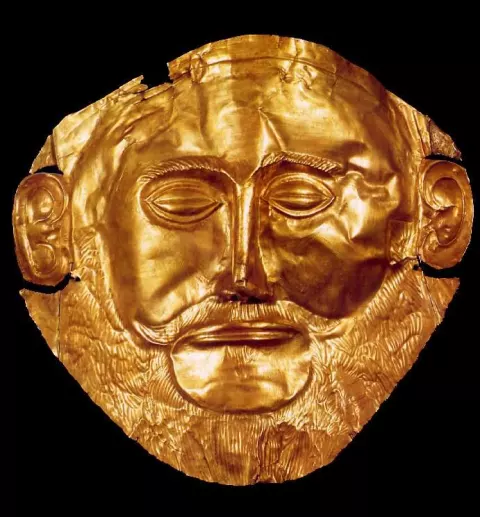
Gold is considered the most enduring and highly valued metal in history. The ancient civilizations of Egypt, Mesopotamia and Americas considered gold as divine substance. As it was too soft for making weapons and tools, gold was employed in artistic work and as money and jewelry.
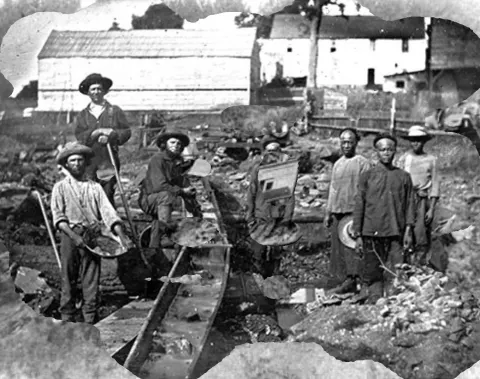
During the Middle Ages, the sub-Saharan region with the ancient Ghana and later the Mali Empire, was the main supplier of gold for the production of coinage by civilization around the Mediterranean. Europeans used the gold for coin, as well as jewelry and decorations. Following the discovery of the New World in the 15th century, the Americas became a great source of this metal. In the period between 1500 and 1650, it is estimated that more than 181 tons of gold and 16,000 tons of silver were shipped from the New World to Spain, fostering the development of the economy of Spain, but also of England and Holland. In the 17th century, gold was widely used in the Mughal Empire, and the Chinese used gold extensively during its history, which is not the case with the Japanese. Discovery of the gold in the California resulted in the famous Gold Rush of the 19th century.
Iron
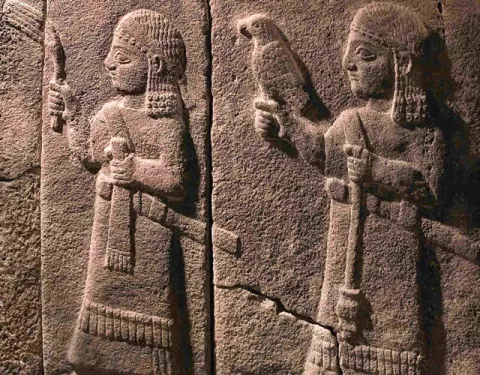
Iron is the earth’s most plentiful metal usually used in arms production. Wrought iron, which was soft but strong, became the leading tool and weapon making material from Roman times through the medieval era. The first people that used iron weapons were the Hittites, from the southern part of present day Turkey. Advantage of iron over bronze is that it was not available only to the upper class, it was rather common and could be obtained by anyone.
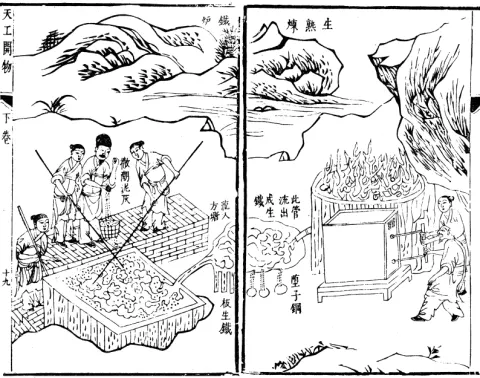
On the other end of the Eurasian land the Chinese began using iron around 600 BC, and around 487 BC they started exporting the finished iron products to Southeast Asia and the Pacific islands. Already in the 2nd century BC the Chinese craftsmen manufactured high-quality steel, likely having something similar to the Bessemer process, which was only developed in Europe in the 19th century. European processing of iron ore stagnated from Roman times until the 8th century when the Catalan forge was invented in Spain. It represented significant breakthrough since this kind of forge could produce 350 pounds of metal in five hours, while the earlier furnaces were capable of producing only fifty pounds of iron at one time. During the Middle Ages new inventions were introduced and iron production increased, especially in Belgium, Germany, Austria, and Bohemia. By the 16th century England in particular produced significant amounts of iron, but the iron industry declined from a shortage of fuel – charcoal. This problem was bypassed in 1709 when Abraham Darby (1678-1717) invented coke smelting. During the Industrial Revolution, iron became a main raw material for heavy industry.
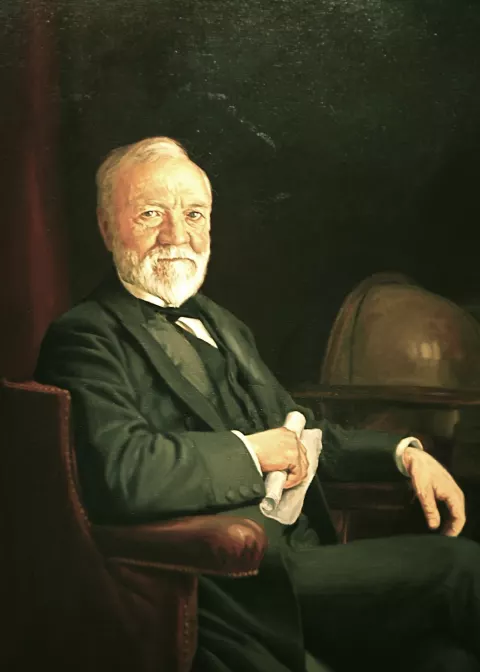
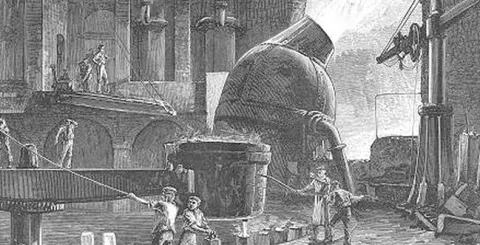
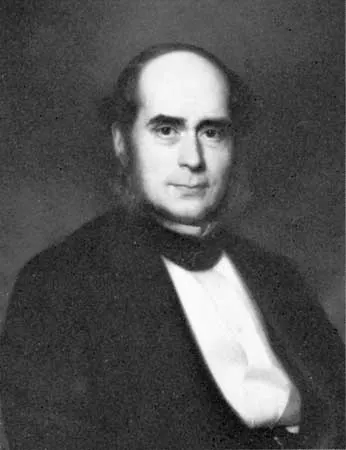
In 1856 Sir Henry Bessemer (1813-1898) perfected the process of decarbonizing iron to create steel. He was the first to develop the process for manufacturing steel inexpensively and had ushered the age of steel, a metal alloy employed in various industries and basic component for industrialization. In the time following the end of the American Civil War, the United States emerged as the world's leading producer of steel. Andrew Carnegie, Henry Clay Frick, and Charles Schwab were famous steel tycoons of the period.
Silver
Until the Industrial Revolution silver was considered the world's most traded metal. Anatolia in present-day Turkey was the first major source of mined silver which was exported throughout Asia Minor, the Near East, Crete and Greece. Later, the silver mines of Laurium near Athens were the largest source of silver until the 1st century. The Spanish mines, first held by the Phoenicians and later by the Romans, were a key source of silver for nearly 1,000 years. Except for domestic needs, the Spanish silver in addition to that from Greece, Asia Minor and Italy, was used in the Asian spice trade. After the discovery of Americas, Zacatecas and Guanajuato in Mexico and Potosí in Bolivia proved to be the richest sources of silver in the world, making Spain the wealthiest country in Europe overnight. Potosí soon developed into the richest source of silver in the world.
With the introduction of the mercury amalgamation process after 1550, the profitability and production of silver grew. However, the supply and cost of mercury became a key item which was used from royal mine at Almaden, Spain, at Huancavelica in the Andes and from Slovenia.
Silver had especially profound impact around the world and contributed to the growth of trade across the Atlantic and Pacific Oceans. It influenced trade and politics in Europe and beyond. Silver bullion or coin exports from America reached the Baltic, Russia, the Ottoman Empire, India, and especially China. It is estimated that as much as one-third of New World silver ended up in China. In the 1570's, Spain established trade with China by sending silver from Mexico to the Philippines, where the silver was exchanged for silk and porcelain. By the early 1600's, the Manila trade was greater than the Atlantic trade, but its importance started to decline in the late 18th century as other powers opened a direct trade with China.
Steel
steel
History of mining
Steel
Steel is a metal employed in various industries and basic component for industrialization. The history of modern mass production of steel is relatively young. The steel was the first time created by Sir Henry Bessemer (1813-1898) in 1856 who purchased the patent and perfected the process of decarbonizing iron to create steel. In the time following the end of the American Civil War, the United States emerged as the world's leading producer of steel. Andrew Carnegie, Henry Clay Frick, and Charles Schwab were famous steel tycoons of the period.
85 lives in this room
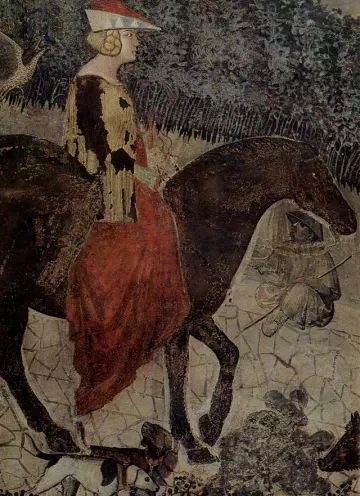 Orlando Bonsignorid. 1273
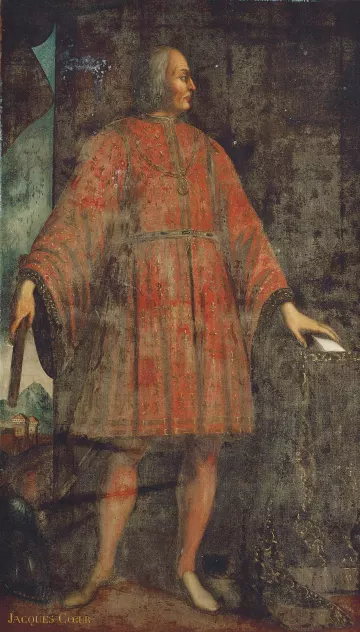 Jacques Coeurc. 1395-1456
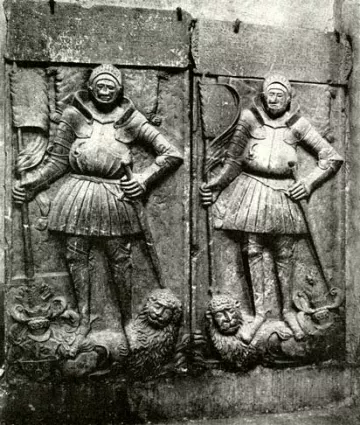 János Thurzó1437-1508
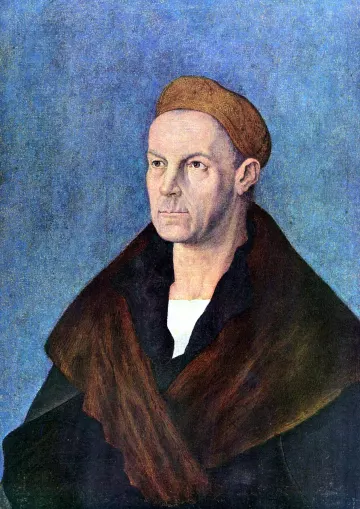 Jakob Fugger1459-1525
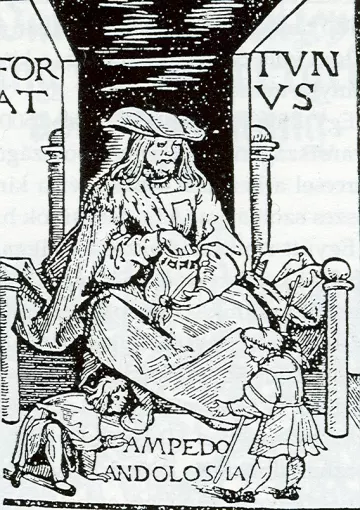 Imre Fortunatusc. 1460–c. 1526
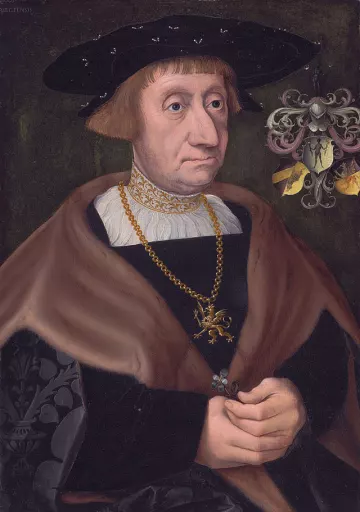 Mathias Mulichc. 1470-1528
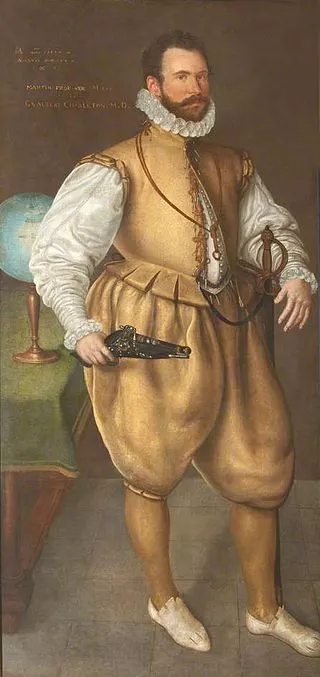 Sir Martin Frobisherc. 1535-1594
 Sebastián Vizcaíno1548–1624
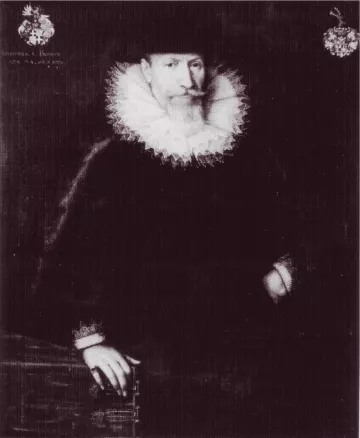 Johann von Bodeck1555-1631
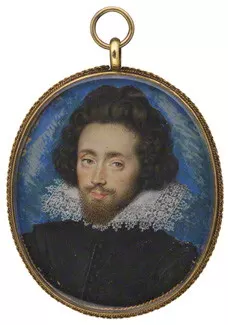 Richard Boyle, First Earl of Cork1566-1643
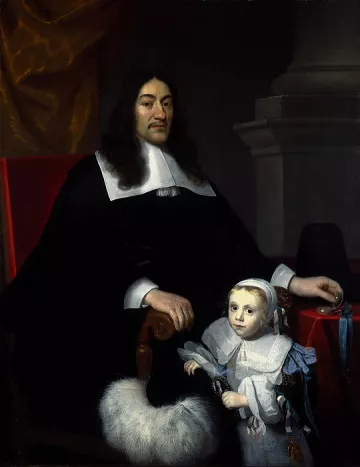 Sir William Davidson of Curriehill1615-1689
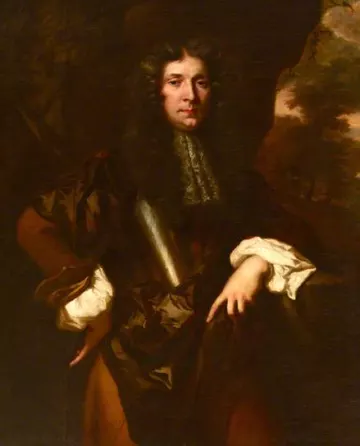 Sir John Banks1627-1699
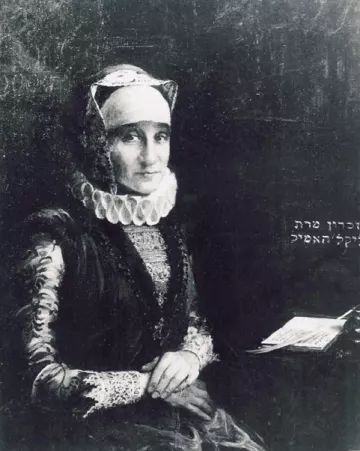 Glückel of Hameln1646-1724
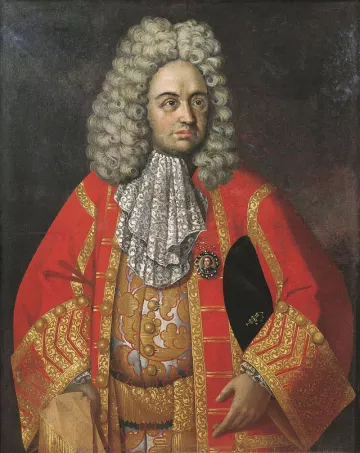 Grigory Stroganov1656-1715
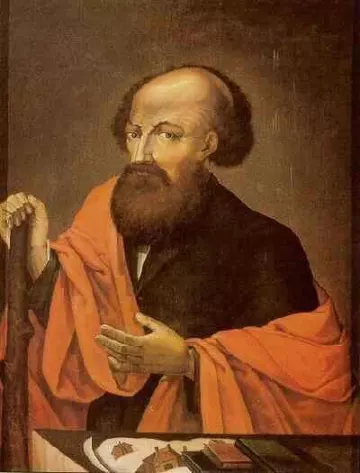 Nikita Demidov Antufyev1656-1725
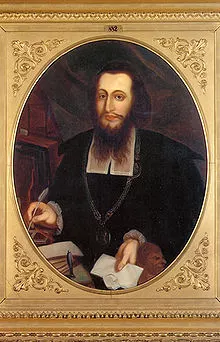 Samson Wertheimer1658–1724
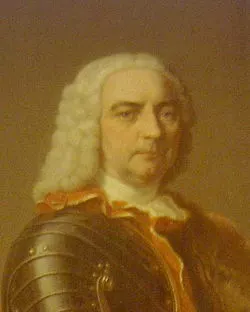 Jean-Jacques Desandrouin1681-1761
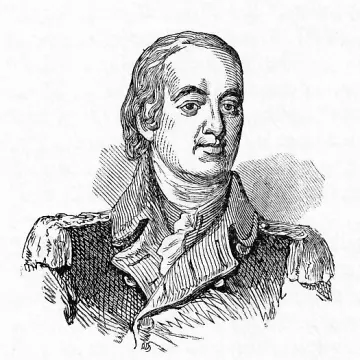 William Alexander1726-1783
 Richard Crawshay1739-1810
 Frans Suell1744-1818
 John Prinsep1746-1830
 Thomas Handasyd Perkins1764-1854
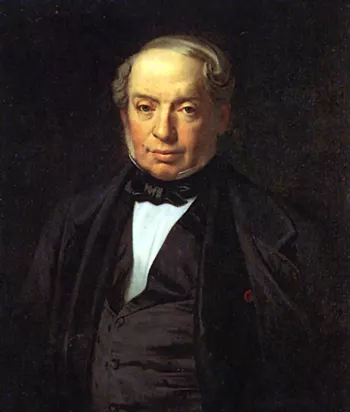 James Mayer Rothschild1792-1868
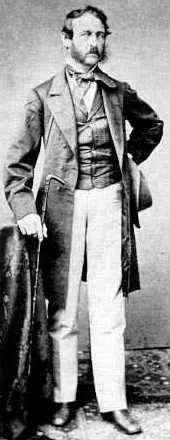 Warren Delano Junior1809-1898
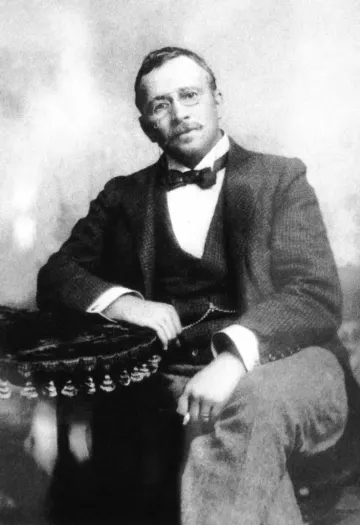 Barnato Barney1852–1897
 Alfred Beit1853–1906
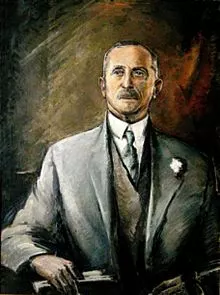 George Albu1857–1935
More lives in this room
- Baranamtarra 2350 BC
- Ur-Enki 2350 BC
- Pu’udu 2050 BC
- Ur-Dumuzida 2050 BC
- Pushu-ken 1950 BC
- Adad-sululi 19th century BC
- Alahum 19th century BC
- Assur-idi 1850 BC
- Assur-nada 19th century BC
- Enlil-bani 19th century BC
- Innaya 19th century BC
- Lu-Enlila c. 19th century BC
- Puzur-Ashur 19th century BC
- Šalim-aḫum 19th century BC
- Ea-nasir 18th century BC
- Nanni 18th century BC
- Šep-Sin 18th century BC
- Colaeus 7th century BC
- Hipponicus Ammon c. 510 BC -c. 450 BC
- Nicias c. 470 BC - 413 BC
- Pytheas c. 380 – c. 300 BC
- Honainu son of Haddudan fl. 157
- Wang Ge 12th century
- Lewko ben Yarden fl. late 14th century
- John Lovekyn d. 1368
- Andrea de' Pazzi 1371-1445
- Richard Lyons d 1381
- Sir Nicholas Brembre d. 1388
- Hamon Sutton c.1392-1461/2
- Robert Gardener d. 1393
- John Vyel d. 1399
- Pietro Bicarani died 1414
- Robert Sutton d 1414
- Thomas Gare d. 1434/5
- William Capel 1448-1515
- Alice Chester d. 1485
- Francisco Mendes 16th century
- Isaac Borodavka 16th-century
- Rachel Fishel 16th century
- Diego Caballero died 1560
- Samuel Blommaert 1583-1651
- Antonio Fernandez Carvajal c.1590– 1659
- Virji Vora c. 1590-1670
- François Doublet 1619-1678
- William Badcock 1622-1698
- Mohandas Parekh 17th century
- Isaac Sardo Abendana c. 1662–1709
- Daniel Campbell c. 1671-1753
- Marx Schlesinger d. 1683
- Jacques Paiva d. 1687
- Veitel Heine Ephraim 1703–1775
- Marx Model d. 1709
- William Leighton 1750
- Suetonius Grant Heatly 1751–1793
- Samuel Abraham d. 1792
- Amur-Istar
- Imdilum
- Su-Laban