Museum / Rooms / The arms trade throughout history
Room · 5 chapters · 76 lives
The arms trade throughout history
A controversial enterprise which is as old as history of war itself
Relation between war and trade in arms
For its close connections with war, arms trade is considered one of the most controversial enterprises in the history of business. With the development of the concept of private property trade in weapons became a powerful tool in both preserving and acquiring of material wealth. During the entire human history wars were conducted to acquire more land, gain new sources to be taxed, and to gain control over valuable resources which strengthened the economic and political power of the winner on the international scene.
What it relates the term arms trade?
Although by definition it implies exchange of weapons, in a broader context it could also include trade in anything useful in warfare like raw materials, mercenaries and animals.
Antiquity
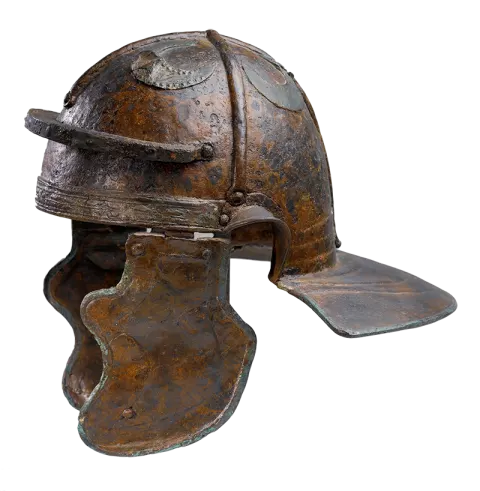
From ancient times war commodities were produced both in state-owned and private facilities. Rulers generously supported and encouraged military innovators to improve weaponry. The first state arms factories in the Roman state began to appear in the 1st century. Arms factories were usually specialized and made shields, bows, arrows, helmets or armor. They were operated by free craftsmen, slaves and convicts, while the late Roman armorers were branded on the face to prevent desertion.
Warfare made fortunes not only for rulers and soldiers who participated, but also for armament makers, traders, and bankers who supported military campaigns.
The need for weaponry, among others, promoted long distance commerce in materials such as zinc, copper and other metals, and can be traced back to ancient times.
The first large class of employees in history were Greek mercenaries who served in Egypt, the Persian Empire, Rome and Carthage. Their earning added significantly to Greek wealth. Some particularly wealthy mercenary captains retired to Cyprus, Lesbos, or Egypt in order to avoid taxes.
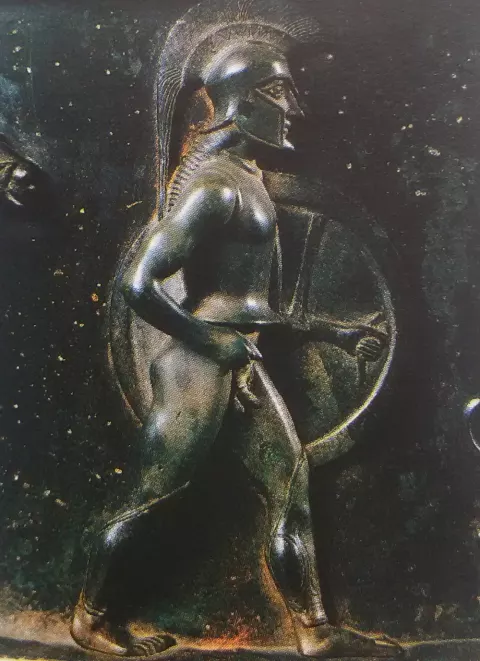
By the end of the 5th century BC the arms and armor of a foot soldier in ancient Greece cost little more than an unskilled slave or a pair of oxen.
The armor and weapons required by a single knight in Middle Ages cost the equivalent of 20 oxen.
Middle ages
In the times preceding military revolution the rulers tended to centralize the production of armaments and limit the sale of weapons. The reason for this was that there was no surplus production and the export of arms meant reduction of its own defense and strengthening of military power of their actual or potential enemies. In Middle Ages Church prohibited the trade in items of a military nature to Muslims, such as ships, horses, and weapons or raw materials that had military applications, such as iron and wood on pain of excommunication or imprisonment.
Armor-making was a great business in Europe and the most important regions of its production were Italy and southern Germany. Milan was the armor making center of the 14th century Europe by possessing over one hundred workshops producing body armor, apart from numerous other shops which made weapons of every kind.
The Milanese families of armorers, the Missaglias and the Negrolis were best of the time and exported armor all over Europe. In Germany the most prominent armorers were the Helmschmied and the Seusenhofer families, and Kunz Lochner.
Military Revolution (1560-1660) and the rise of international arms trade
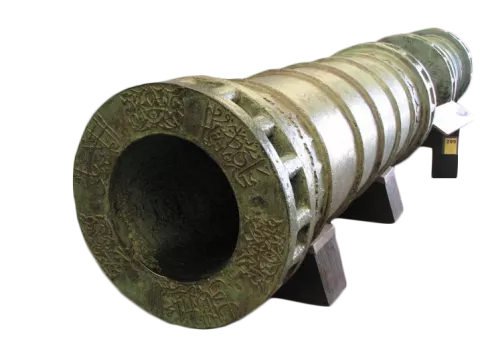
The use of gunpowder which was brought in the 13th century from China dramatically changed the way the wars were fought. The states which were able to establish their own arms industries and to constantly innovate were better placed in economic and political scene than those which needed to import weapons.
Until the late 16th century the center for production and trade of weapons which used gunpowder was Italy, but from then on it was replaced by England and the Low Countries. By the 17th century Liège guns were arguably “the best and the cheapest of Europe and the world”.
Starting in the sixteenth century, European traders began trafficking arms into African, American, and, to a lesser extent, Asian markets, sparking the rise of international arms trade.
Guns and cannons became systematically used by Europeans in expansion of their trade networks, monopolies, and empires both in the Far East and in the Americas.
Chapters
- Correlation between war and arms trade
- Arms trade in prehistory and antiquity
- Arms trade in the Middle Ages
- Later development of arms trade
- Military Revolution and the growth of the international arms trade
Correlation between war and arms trade
Trade in arms as a means of acquiring wealth, power and military success is as old as history of war itself. Behind various ideologies that tried to justify waging of wars and make it legitimate, warfare almost always had its foothold and motivation in the economic competition. The acquisition of new territories contributed to the economic increase of the winner through the spoils of war, new sources to be taxed and control over valuable resources, at the same time marking an increase in its political power on the international scene.
Since war stimulates the trade in war commodities, the arms trade has always been considered controversial and morally different from other types of commerce as it prospers under war conditions and implies material destruction and human suffering.
Although according to definition the arms trade implies the exchange of weapons, in a broader context it could also include trade in anything useful in warfare like raw materials, mercenaries and animals.
Warfare made fortunes not only for rulers and soldiers who participated, but also for armament makers, traders, and bankers who supported military campaigns.
Arms trade in prehistory and antiquity
Arms trade in prehistory and ancient times
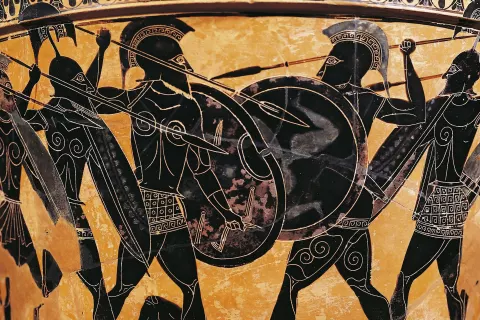
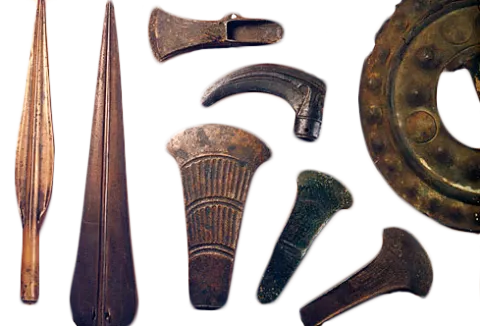
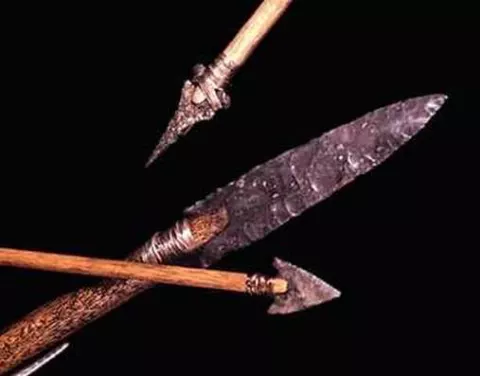
The existence of first human weapons and armed conflicts is attested in prehistoric times. During the period of hunter-gatherer nomadic society, conflicts were conducted on a small scale and relied initially on primitive tools such as sticks and stones, and over time, with the more advanced weapons which sought to convert muscular energy to mechanical one to achieve greater efficiency.
The real breakthrough in history came with the emergence of agricultural society and the development of private property. Weaponry became a powerful factor in both preserving and acquiring of material welfare during the first world civilizations. The need for weaponry, among others, promoted long distance commerce in materials such as zinc, copper and other metals and can be traced back to ancient times.
Weaponry was an important commodity in the ancient commercial world regardless of the fact that information on the transfer of arms is scarce. The oldest recorded arms transfers are most likely those wrote by Thucydides (c. 460 BC - c. 395 BC), an Athenian historian and general who described the importance of the trade in arms, supplies, ships and men in his famous work “The Peloponnesian War”.
Since the possession of advanced weapons was a key element in determining the international hierarchy of power, the early rulers supported and encouraged military innovations in order to improve weaponry. “War industry was lavishly supported… kingdoms and cities competed keenly for the services of the most able engineers, whose rewards, in terms both of money and prestige, were great”.
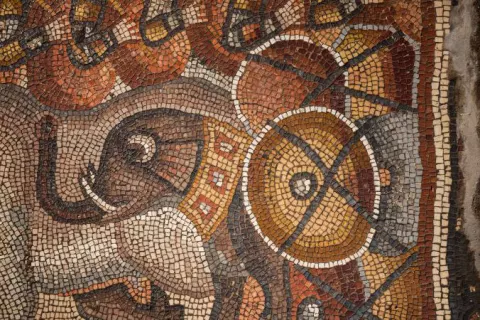
The Huqoq synagogue's 5th century mosaic showing a war elephant.
From the ancient times, the arms production was conducted in both state-owned and private establishments.
The first state arms factories in the Roman state began to appear in the 1st century. Arms factories were usually specialized and made shields, bows, arrows, helmets or armor. They were operated by free craftsmen, slaves and convicts, while the late Roman armorers were branded on the face to prevent desertion.
By the end of the 5th century BC the arms and armor of a foot soldier in ancient Greece cost little more than an unskilled slave or a pair of oxen. The first large class of employees in history were Greek mercenaries who served in Egypt, the Persian Empire, Rome and Carthage. Their earning added significantly to Greek wealth. Some particularly wealthy mercenary captains retired to Cyprus, Lesbos, or Egypt in order to avoid taxes.
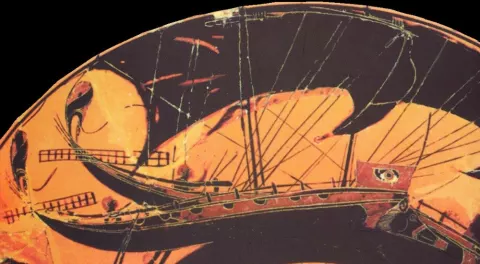
The earliest Ancient Greek warships were called pentekontors.
Arms trade in the Middle Ages
In the times preceding military revolution the rulers tended to centralize the production of armaments and limit the sale of weapons. The reason for this was that there was no surplus production and the export of arms meant reduction of its own defense and strengthening of military power of their actual or potential enemies.
The very existence of these restrictions imposed by the rulers suggests that the existing arms trade of the time was significant enough to pose a threat for national interests. For instance, the production of gunpowder in China was in the 9th century brought under state control, while a bit earlier in Europe, Charlemagne or Charles the Great, King of the Franks, centralized production facilities for armaments and limited the distribution of some military equipment to allied armies. In 10th century, the Doge of Venice banned the sale of arms to the Saracens, and beginning with 1179, the Church also forbade the sale of arms to “infidels” on pain of excommunication or imprisonment.
Wars between kingdoms in Europe accelerated diffusion of arms. Broadly speaking, arms were produced wherever sufficient concentration of ore, skilled craftsmen and markets could be found. However, critical factors in the establishment and success of any arms center were proximity to transport routes and availability of metal either from nearby natural supplies or through trade.
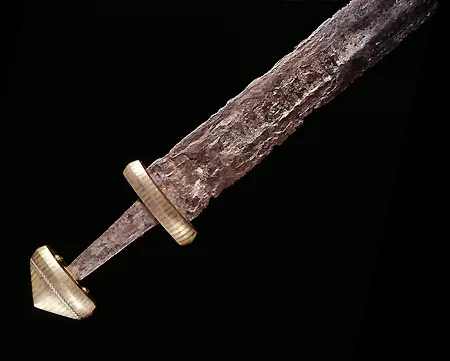
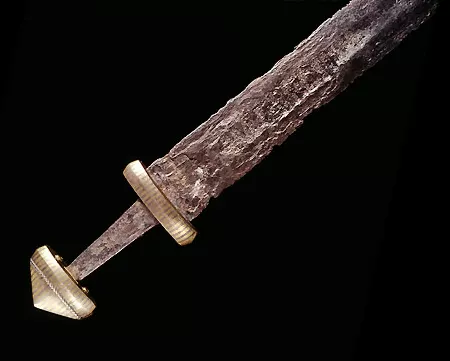
Manufacture of swords and armor has been an area of interest of skilled artisans dispersed across Europe, the Middle East and Asia, and was based on the earlier traditions of metalworking. From the Rhine region of the 8th century we have information on two bladesmiths, or their workshops, Ingelri and Ulfberth who produced high quality sword blades and their names were inscribed on swords produced over two following centuries.
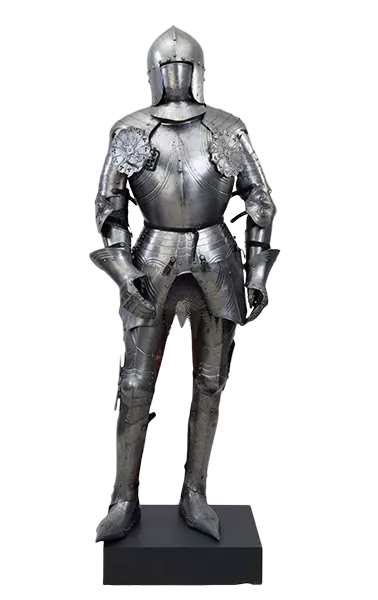
Before its downfall as a craft in the 16th century, armor-making was a great business in Europe. In medieval and early modern Europe, numerous regions and cities consolidated and expanded their reputation as centers for the production of arms and armor. The production was carried on by individual masters in their own shops, with the help of a few companions and apprentices.
The most famous and important regions of armor production were northern Italy and southern Germany, and their workshops exported their products throughout Europe.
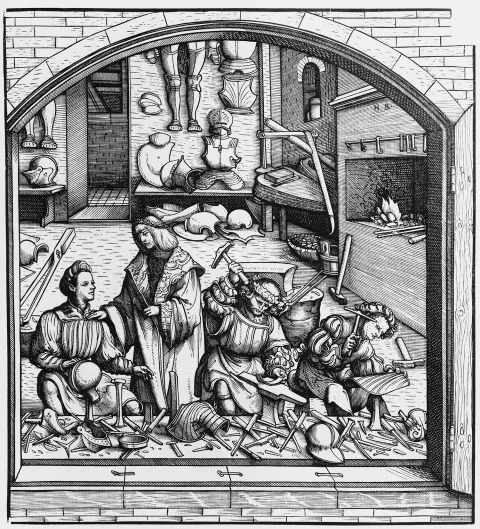
Emperor Maximilian visits his Court armor shop in Innsbruck, ca. 1515.
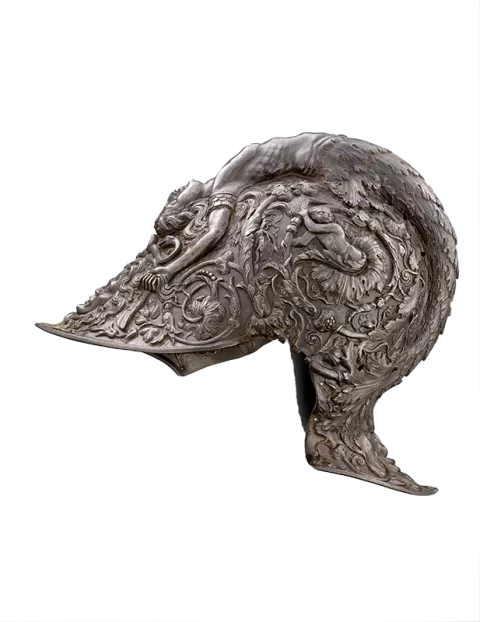
During the Middle Ages Milan was the armor-making center of Europe. The arms industry reached its peak of production in the 14th century Milan which possessed over one hundred workshops producing body armor, apart from numerous other shops which made weapons of every kind. In 1427 two Milanese armorers alone were able to supply, in an emergency, arms for 4,000 horsemen and 200 infantrymen in a few days. From Milan also originated the earliest comparatively well documented family of armorers, the Missaglias and the Negrolis who exported armor all over Europe. Filippo Negroli (c. 1510-1579) may be regarded as the most skilled and famous armorer of his, and perhaps, of all time.
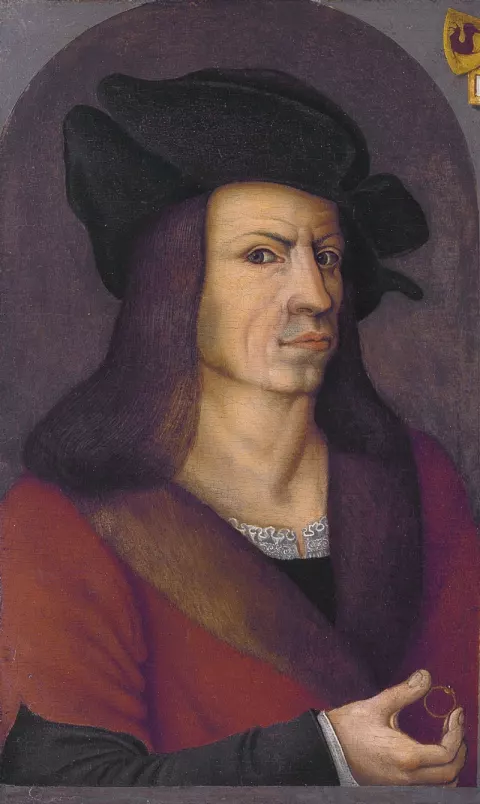
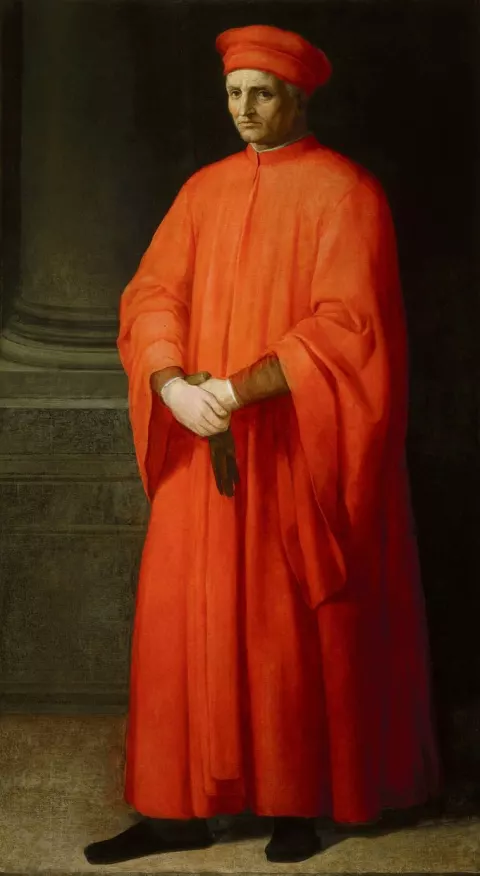
Italian dominance was challenged by German cities such as Augsburg, Basel, Landshut, Nuremberg and Innsbruck. Among prominent German armorers important place is occupied by the Helmschmied and the Seusenhofer families, as well as Kunz Lochner (c. 1510-1567). One of the wealthiest men in history, Francesco di Marco Datini made a fortune in weapons trade in Avignon. The armor and weapons required by a single knight cost the equivalent of 20 oxen.
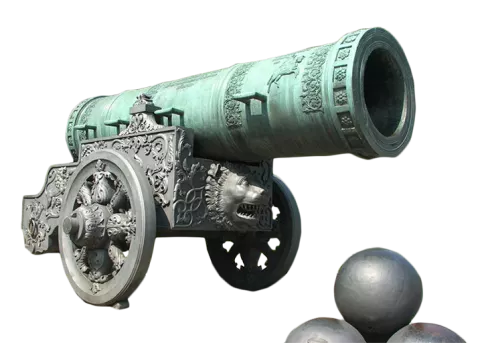
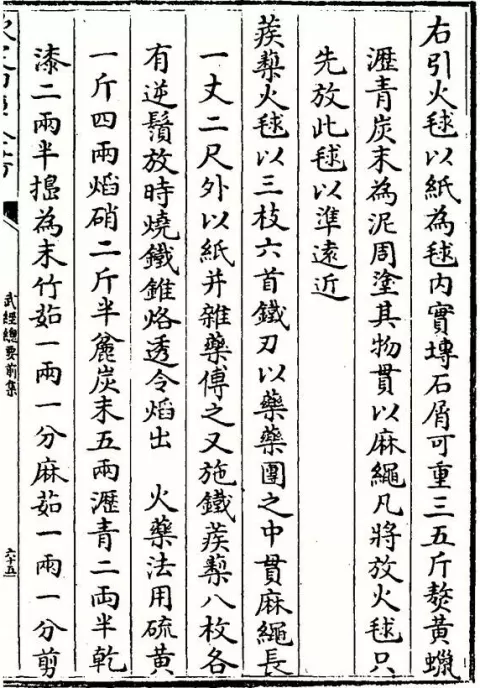
The first crusaders spread European arms beyond Europe into the Middle East and further. The encounter of Eastern and Western civilizations brought with it expansion of arms and military techniques, of which the best known was gunpowder. “Black powder” is one of the inventions which had the most profound impact on the course of human history. Its application completely altered the way that war was waged, brought an end to the Medieval Ages in Europe and made the Age of Exploration possible. Invented around 850 AD in China by alchemists seeking the elixir of immortality, it was soon deployed for military purposes. In the late 13th century through the famous Silk Road the gunpowder managed to reach Europe. Although it was initially disapproved by the Church which thought it was a form of black magic, the war designers’ of late medieval Europe recognized its importance. From Italy the making of gunpowder quickly spread to other European countries, any by the mid-14th century it had become an effective battlefield weapon. Guns and cannons were systematically used by Europeans in expansion of their trade networks, monopolies and empires both in the Far East and in the Americas.
Therefore, it can be said that the European implementation of gunpowder marked the beginning of the international arms trade in gunpowder and firearms in the 16th century and led to an increase in the number of firearms.
Later development of arms trade
The Military Revolution served as a powerful stimulator of the international trade in arms. For nearly two centuries following the revolution, the arms trade was characterized by relative stability and slight improvements as a consequence of the lack of technological innovation in arms production during the period. The considerable changes, both in the scale and the structure of the arms industry, began with the Industrial Revolution in the mid-1800s.
Military Revolution and the growth of the international arms trade
Governments that were able to develop military systems and administrations to use gunpowder more effectively had a distinct advantage in the early modern period. Inability of some states to establish their own strong arms industry because of unfavorable social and economic environment or inability for technological innovation condemned them to import weapons in order to preserve political importance. Thus the arms trade received a favorable ground for its development and expansion.
Critical factors in the establishment and success of any such center were determined by social and economic environment, as well as capacity for technological innovation. This refers mainly to overall degree of industrialization, existence of adequate economic infrastructure and supplies of skilled labor, linkages with other industries for the supply of raw materials, proximity to transport routes, existence of a market for the goods and the level of political stability, state support and protection.
The spread of arms production tended to follow the spread of capitalism. Generally starting from Italy and north European states (England, the Netherlands, Sweden and Germany) to countries such as France, Russia, and Spain, and then to states like Portugal, the Ottoman Empire, Scotland, Hungary, India, Japan, Poland and the Balkans.
First-rate arms producers
Italy
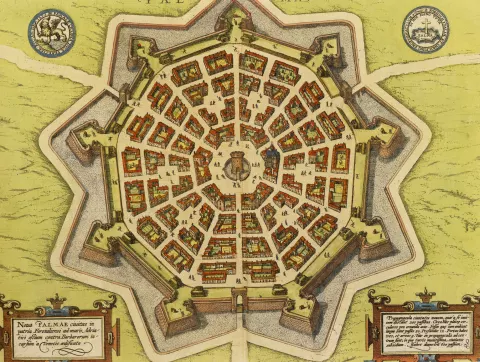
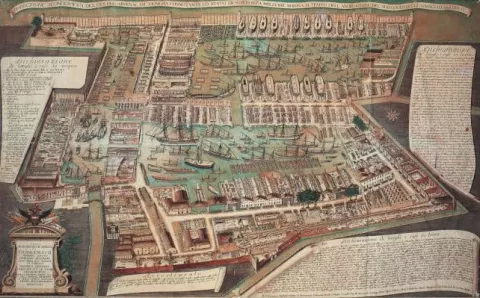
The most important center of arms production and transfer in the early and mid-15th century was indisputably Italy which was a major supplier of the European market. Its original dominance can be explained by its wide trade network and competition between its various city-states which stimulated production and innovation. The centers of production were located in Milan, Venice, Genoa and Brescia. In the late 1300s Venetian Republic played a primary role as producer and diffuser of cannon and firearms to the Balkans and the Ottoman Empire. Its Arsenal, opened in 1104, was the best example of state enterprise in the arms industry and was followed by other powers.
First-rate arms producers
Low Countries
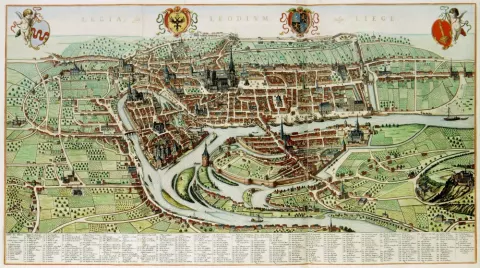
By the late 16th and early 17th centuries, the centers of production and innovation shifted to England and Low Countries, although Italy continued to produce firearms for export. Liège was the most prominent center in the Low Countries and its business started to flourish after 1492 thanks to skilled artisans, demands for weaponry, proximity to large markets, and vast trading network of the region. During the 16th century its merchants needed ordinary sellers’ permits to export their arms, and by the 17th century Liège guns were arguably “the best and the cheapest of Europe and the world”. In 1575, Liège exported 300 cannons to Spain, around 4,000 muskets were sold to Louis XIII in France in 1632 and 10,000 to William III in England in 1689, while in 1713, 18,000 rifles were purchased by the Prussian king. Liège held its prominent place until the occupation by Napoleon’s forces in the 18th century when the arms exports were banned resulting in far-reaching consequences for its economy.
First-rate arms producers
England
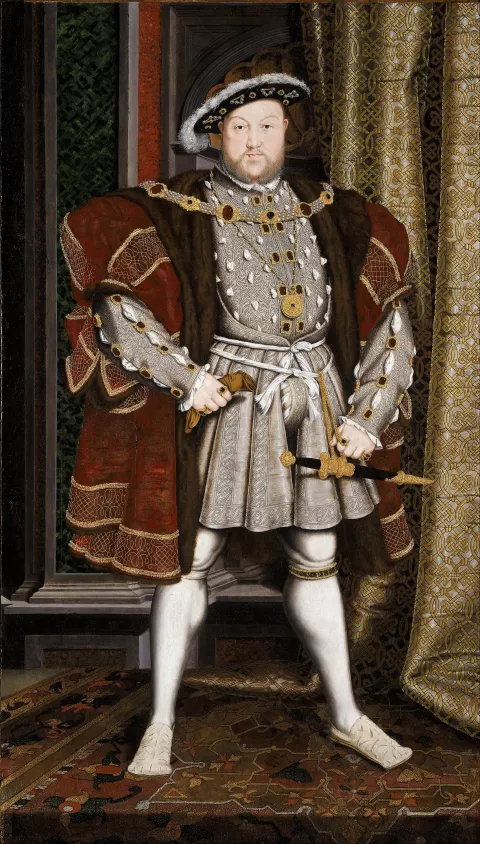
The expansion of the English arms industry was paralleled with its rise in military and political power. In the sixteenth century, England transformed from an arms importer to an arms exporter due to the efforts of Henry VIII (1509-1547) who brought foreign armorers and gun founders from France and Low Countries to form schools for the production of war material in England.
In the later years of his reign occurred the most important development of this period: the perfection of the technology for founding cast-iron guns, which were cheaper alternative to bronze guns since England had to import its copper. This invention spread throughout Europe. By the late 16th century “English guns were eagerly sought after throughout the continent” and exported to Denmark, Holland, France, Flanders and Spain. By 1575 England was producing more than 500 tons of iron artillery annually, and more than 1,000 tons by 1600.
However, series of regulations starting from 1574 had the aim to limit the production to the amount needed “for the only use of the realm” for fear that their “enimie is better fourneshed with them than or own country ships ar”. Such a policy ultimately resulted that England by the late 17th century again depended almost entirely on imports of European arms.
First-rate arms producers
Sweden
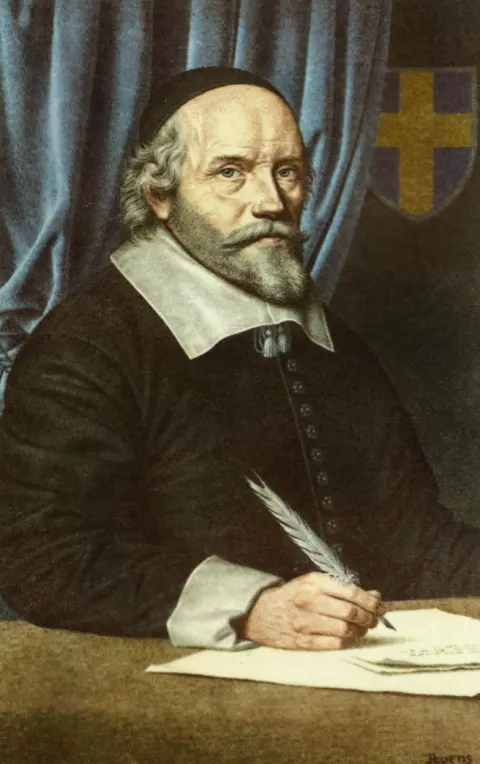
With the decline of the English arms industry, Sweden with its plentiful ore deposits, forests and metallurgical prowess dominated the international market for cast-iron cannon until the late 18th century. Its shift in power occurred during the reign of Gustavus Adolphus (1611-1632) who hired Louis De Geer, a Dutch founder to create an arms industry in Sweden by shipping Flemish iron-workers and blast furnace technology as well as new financial and technical methods.
First-rate arms producers
Germany
When it comes to the leading production powers, here should be mentioned the great arsenal in Suhl, Saxony, a large manufacture of guns in central Europe which produced arms not only for Germany, but also exported to Hungary, Italy, Spain, Switzerland, Russia, Poland, Denmark and France. Its production ended in 1643 when it was ruined during the Thirty Years War.
Second-rate arms producers
France, Russia and Spain
Second in importance in the military industry were France, Russia and Spain which were also among the major customers of the above mentioned governments. Interested in establishing of indigenous arms industries by acquiring necessary technologies and infrastructure, they managed to create a modern industries but with limited success as they were able to reproduce and adapt technology but not to innovate.
Third-rate arms producers
Portugal, the Ottoman Empire, India, China, and Japan
States such as Portugal and the Ottoman Empire, India, China, and Japan were third-rate producers and able only to imitate the arms developments of European states. In classification there were also some peripheral producers such as Scotland and Hungary, behind which laid a large group of states of passive consumers.
Although the Europeans were fundamentally against spreading of the technological monopoly which was credited for their rise, a portion of arms products nevertheless found its path to Ottoman Empire, North Africa and further to Asia via Portugal and Italian states.
Portugal, which had the most extensive trading network, was the prime distributor of new weaponry to Africa and Asia. Arms production soon followed and by the end of the 16th century cannons were produced in China, Japan, Korea, India, Java, Burma and Afghanistan. In that way, the gunpowder made a full circle from its invention in China, through improvements in Europe finally reaching its homeland few centuries later in more advanced form of power.
76 lives in this room
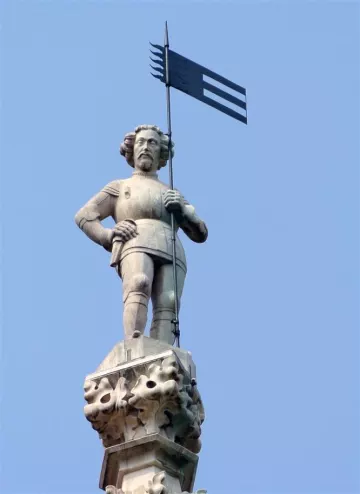 Marco Carellic.1320/25-1394
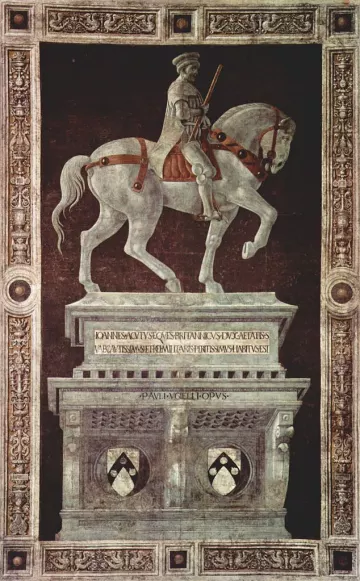 John Hawkwoodb. c. 1323 - 1394
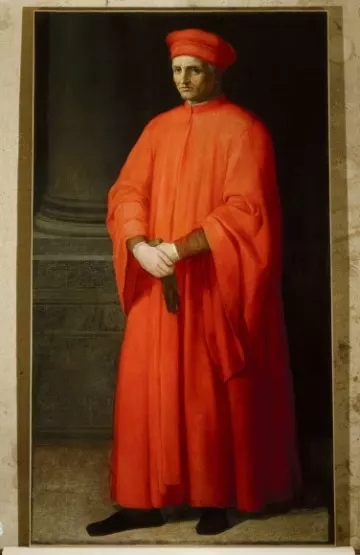 Francesco di Marco Datinic. 1335-1410
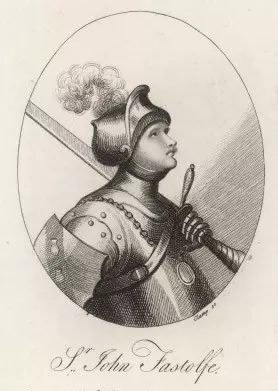 Sir John Fastolfc. 1378-1459
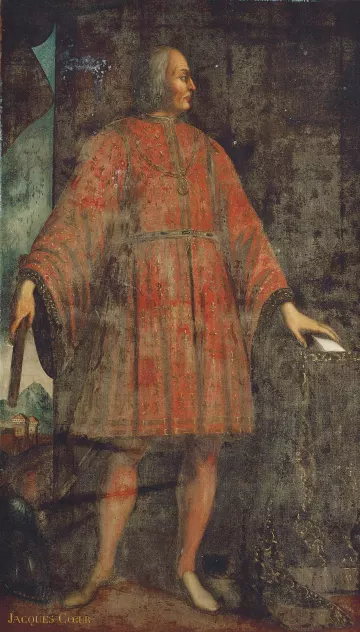 Jacques Coeurc. 1395-1456
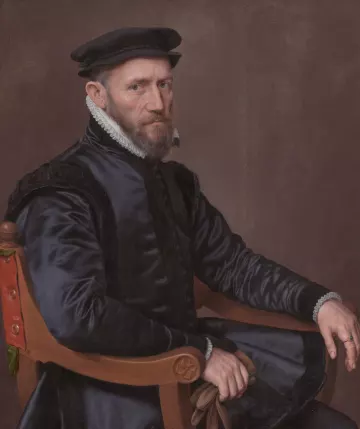 Sir Thomas Greshamc. 1519-1579
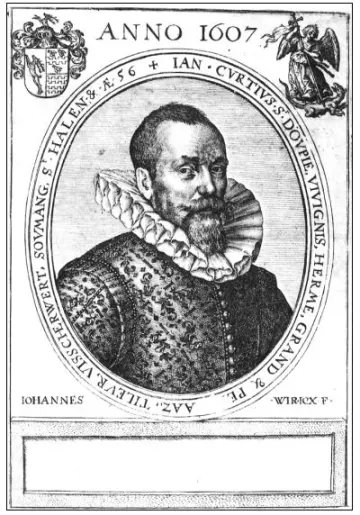 Jean Curtius1551-1628
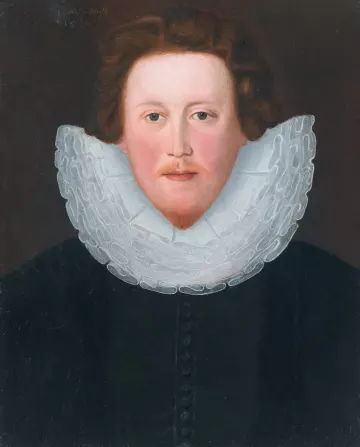 Sir Henry Neville1564-1615
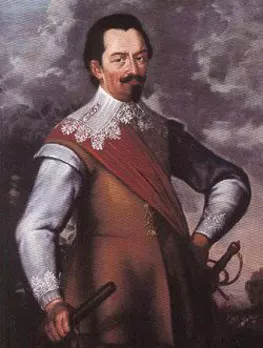 Albrecht Wenzel von Wallenstein1583-1634
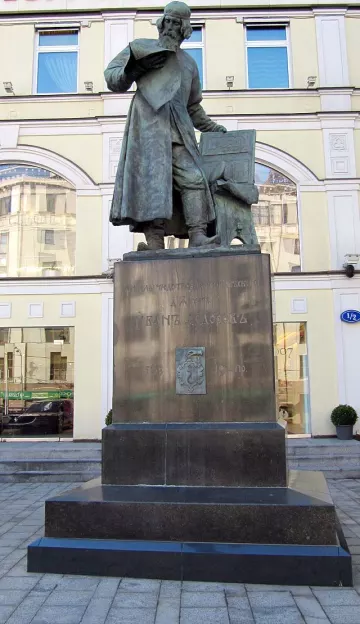 Ivan Fyodorovd. 1583
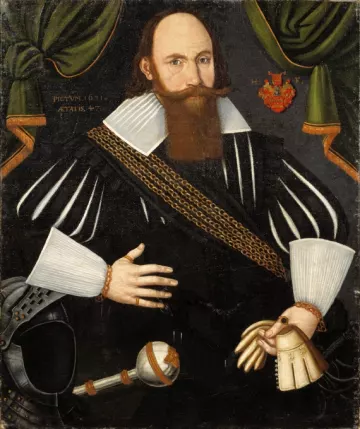 Henrik Klasson Fleming1584-1650
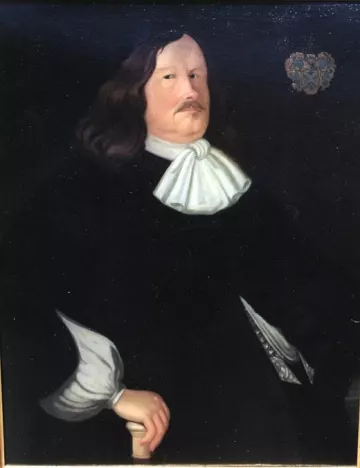 Johan Björnsson Printz1592-1663
 Selius Marselis1600 – 1663
 Gabriel Marselis1609 – 1673
 Kaspar Jodok von Stockalper1609-1691
 Erasmus Smith1611-1691
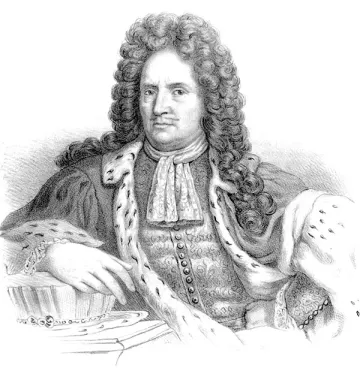 Erik Jönsson Dahlbergh1625-1703
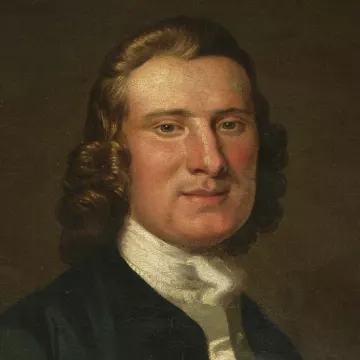 Frederick Philipse1626-1702
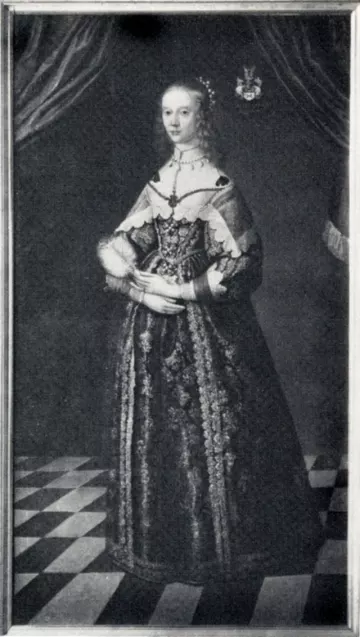 Maria Sofie de la Gardie1627-1694
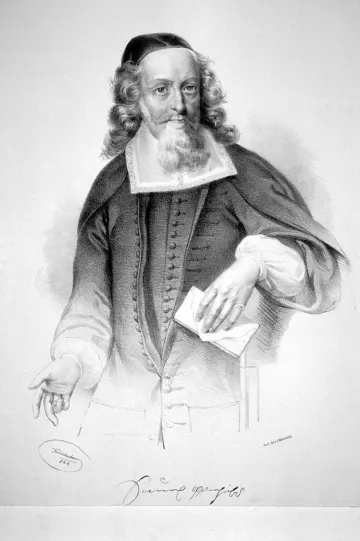 Samuel Oppenheimer1630-1703
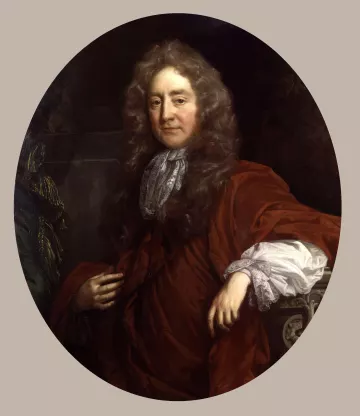 Sir Josiah Child1630-1699
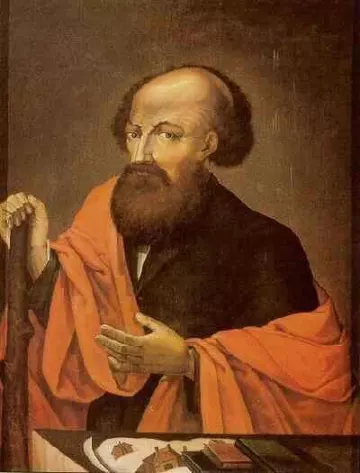 Nikita Demidov Antufyev1656-1725
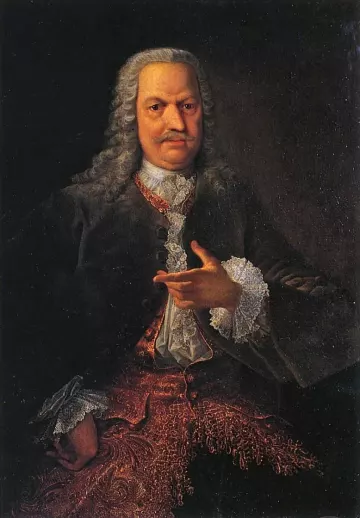 Akinfy Demidov1678-1745
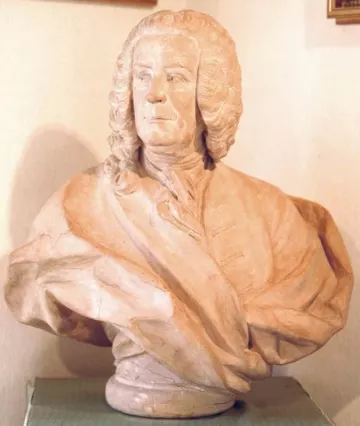 Joseph Pâris Du Verney1684-1770
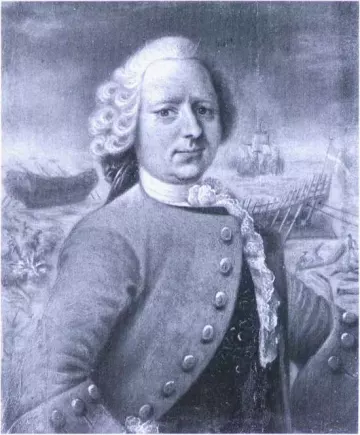 Andreas Bjørn1703-1750
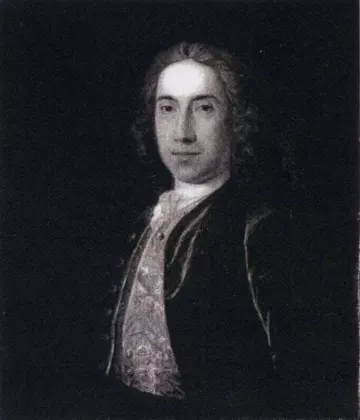 Richard Oswald1705-1784
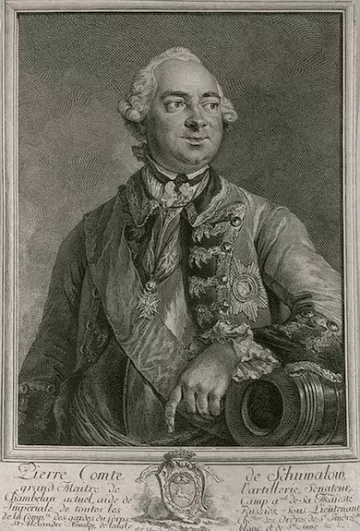 Peter Ivanovich Shuvalov1710-1762
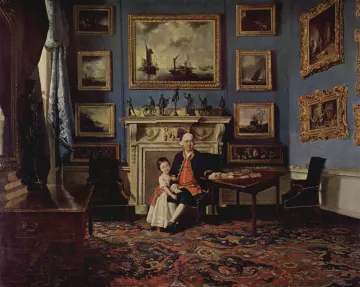 Sir Lawrence Dundasc. 1710-1781
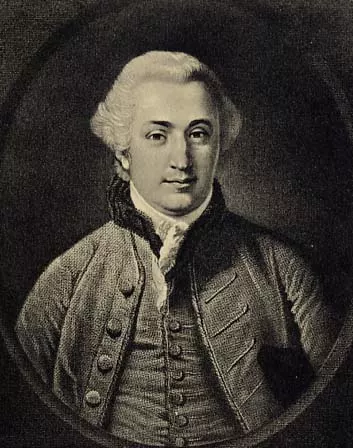 Moses Franks1718-1789
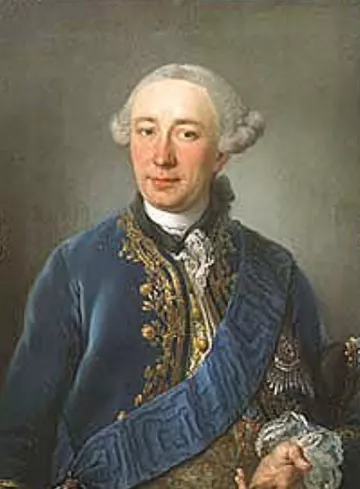 Heinrich Carl von Schimmelmann1724-1782
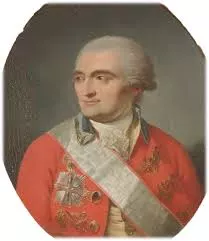 Johan Frederik Classen1725-1792
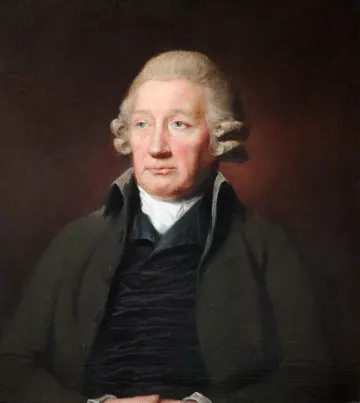 John Wilkinson1728-1808
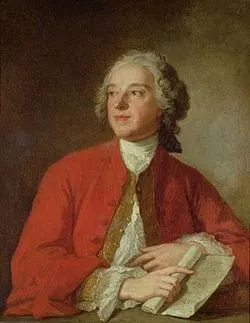 Pierre-Augustin Caron de Beaumarchais1732-1799
 Mordecai Sheftall1735-1797
 John Brown1736–1803
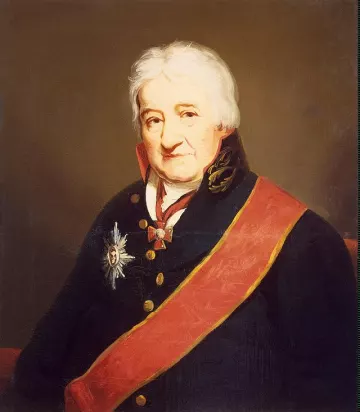 Charles Gascoigne1738–1806
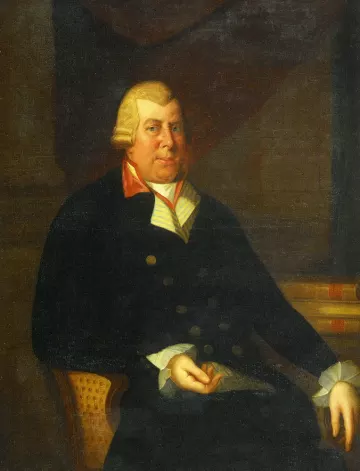 Richard Crawshay1739-1810
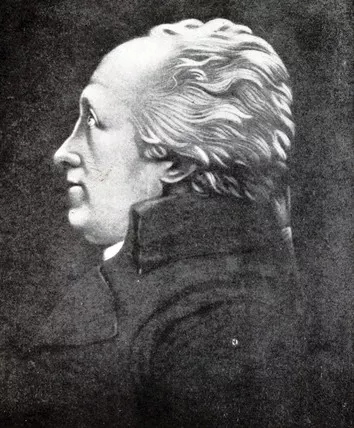 Henry Cort1740-1800
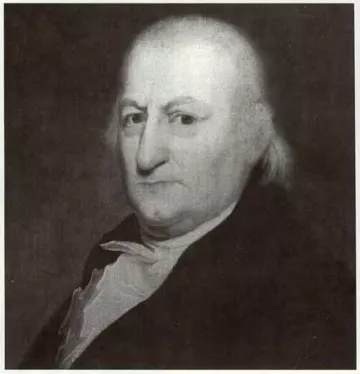 Aaron Levy1742-1815
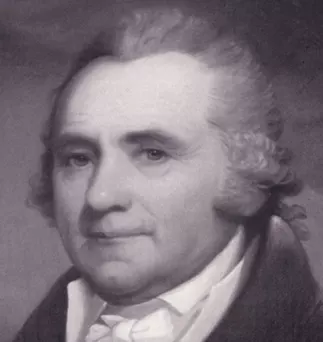 Robert Coleman1748-1825
 Martín de Álzaga1755-1812
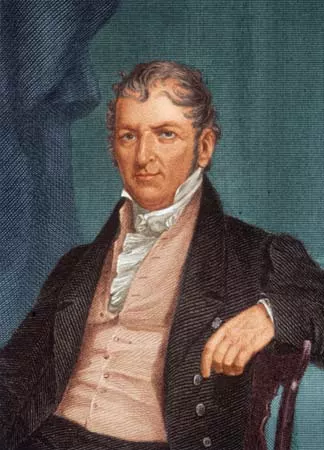 Eli Whitney1765–1825
 Simon von Lämel1766-1845
More lives in this room
- Pasion c. 430 BC -370 BC
- Filippo di Amedeo de Peruzzi c. 1240 - c. 1303
- Evota of Stirling 13th-14th century
- Antonio di Pessagno died before 1340
- Buonaccorso Pitti 1353-c.1433
- Walter Hungerford, 1st Baron Hungerford c. 1378-1449
- William Oliver d. 1432/3
- Imai Sōkyū 1520-1593
- Jud Michel d. 1549
- Imai Sokun 1552-1627
- Richard Foley 1580-1657
- Antonio Fernandez Carvajal c.1590– 1659
- John Evelyn 1591–1664
- Isaac Nachmanovich b. 1595
- Valpuri Eerikintytär Innamaa d. 1602
- Jacob Janse c. 1622-1690
- Thomas Western c 1624-1707
- Solomon de Medina ca. 1650-1730
- Thomas Foley 1650
- Issachar Berend Lehmann 1661-1730
- Marx Schlesinger d. 1683
- Sir Joshua Van Neck 1702-1777
- Reinhold Angerstein 1718-1760
- Joachim Edler von Popper 1720 - 1795
- Moses Toledano d. c. 1725
- Samuel Zbitkower 1730s–1801
- John Wakefield 1738–1811
- Joshua Zeitlin 1742–1822
- Rodrigo Benjamin Mendes Pacheco d. 1749
- John Farquhar 1751-1826
- Abijah Hunt 1762-1811
- Nata Notkin d. 1804
- Nathan Notkin died 1804