Museum / Rooms / The House of Egibi
Room · 4 chapters · 4 lives
The House of Egibi
THE HOUSE OF THE EGIBI
The Egibi were one of the first families in history that built a name through business and professional competence and not through traditional landholding
Who were the Egibi?
The House of Egibi was one of the most powerful and affluent families in ancient Babylonia that ran a sophisticated family business in Mesopotamia from the late 6th through the 5th century BC. Innovation, diversification and a willingness to risk were the main feature of the Egibi business policy.
Business archive
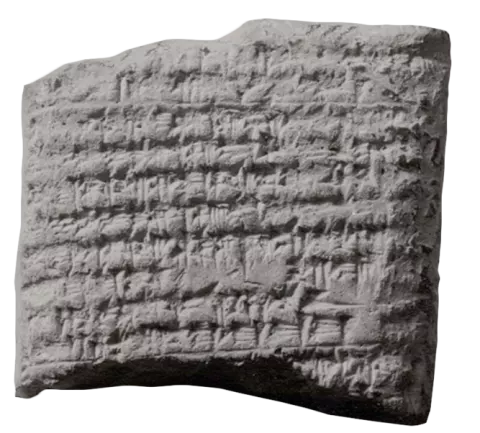
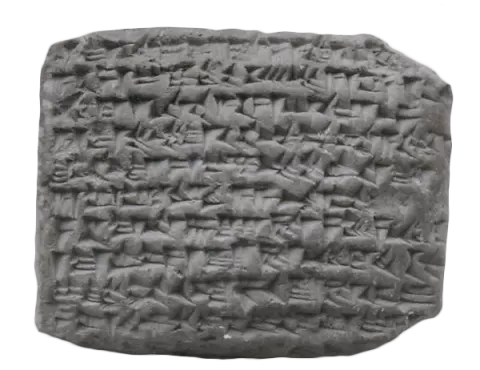
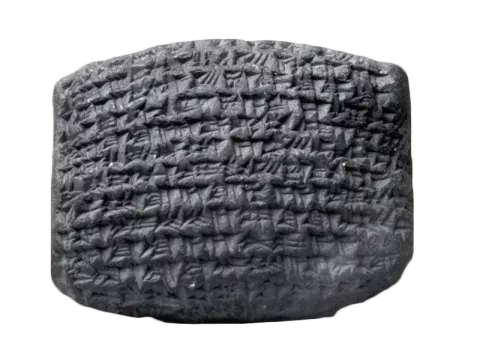
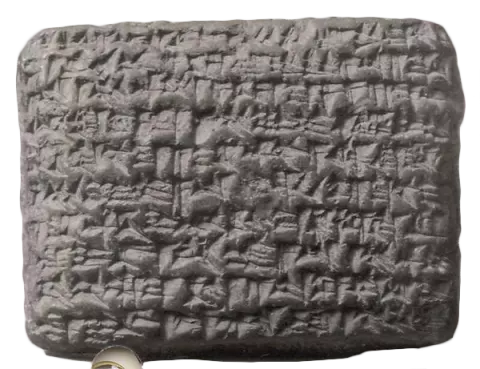
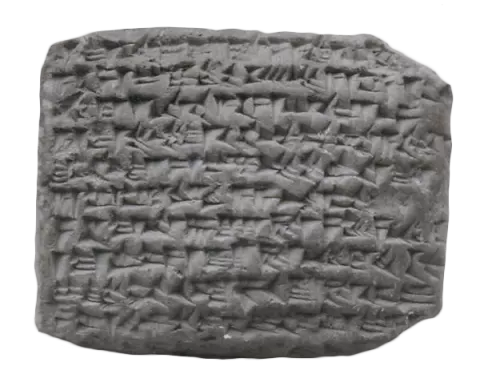
Archive of the Egibi family is known as the largest and most important private archive of their time and a first class source of economic history. The history of five generations of this family and their business operations is evidenced on about 2000 clay tablets which are stored in the British Museum.
Family business strategy
By relying on “ḫarrānu” partnerships the Egibi managed to build a business empire in just a few generations. Šulaja, the first known member of the family entered into business as an active partner and accumulated funds that enabled his successors to act as investors. Marduk-nāsir-apli born around 550 BC is credited for bringing the family business to its heights.
Business activities
Acquiring their initial profits in trade of daily commodities (such as wheat, barley, beer, onions, dates, salt, cooking wares and wool) the Egibi were able to invest their capital into more secure enterprise – the landowning and agricultural management, and eventually expanded to the world of exceptionally lucrative, but also highly risky banking operations becoming a leading banking house in Babylon and Persia.
Heights of power
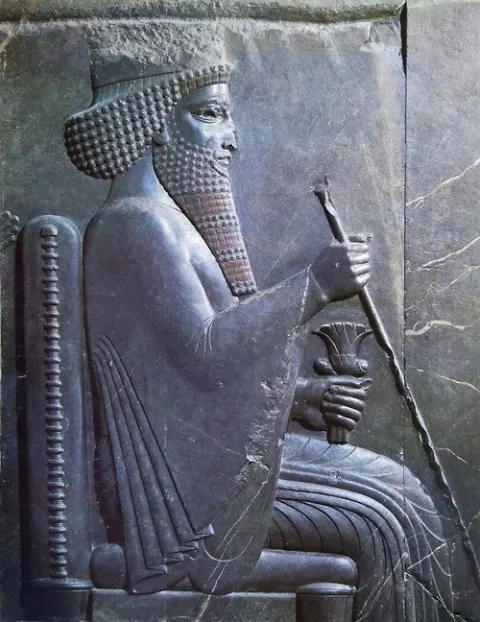
The heights of the Egibi house coincided with the period of greatest prosperity of Achaemenid Persian Empire ruled by the famous King Darius I (r. 522-486 BC). Using all their wealth, influence and expertise, the Egibi managed to extend their business affairs from private to public sector. Cooperation with the authorities gave them an access to three most lucrative areas of profit in antiquity – the tax farming, public building contracts and provisioning of the palaces, temples and the army.
Dark side of the Egibi business
In pursuit of profit and power, the Egibi did not hesitate to engage in, from today's perspective, hated activities such as the slave trade and providing of sex workers to beer taverns across the Persian Empire.
According to the archeological findings the Egibi enjoyed all the luxuries available and suitable for the people of their social rank – large amounts of gold and silver objects, precious stones, luxury textiles and beautiful and rare beasts.
“Harrānu” partnerships (ḫarrānu means street, caravan) were convenient for ambitious entrepreneurs without capital, as well as for the wealthy ones who were ready to invest the funds and risk in order to obtain greater profit.
The Egibi family encouraged their farmers to plant profitable crops such as date palms. They sought little rents in the first few years while the crops grew, patiently waiting for the harvest and the high profits.
Chapters
Introduction
The ancient Mesopotamia, situated between the rivers of Euphrates and Tigris, gave rise to a number of achievements in the field of culture, technology and economy, which is why it secured the reputation of the “Cradle of civilization”. Many business practices, such as banking, use of money, uniform weights and measures, as well as the development of entrepreneurship derived from this culture.
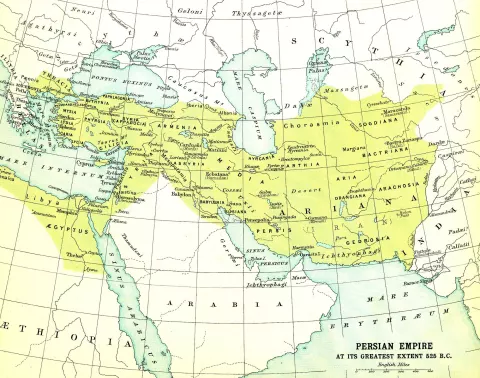
During the period from 539 BC until 330 BC, Mesopotamia was part of the large Achaemenid Persian Empire which extended from Anatolia and Egypt across western Asia to northern India and central Asia. In the governance of the country, the Persian rulers relied on knowledge of local circumstances and business expertise of the existing local families, like the Egibi. The established relations were symbiotic and based on mutual benefit.
The Egibi proved to be the most proficient in using their capacities and given opportunity for the personal growth. Through a shrewd business strategy they managed to extend their activities from private to public sector, and eventually to assume the position of one of the most powerful, influential and wealthiest families in Babylonia.
Thus, the importance of the Egibi for the business history lies in the fact that they were one of the first families in recorded history that rose to prominence and wealth due to their business expertise and not through traditional devices of landownership and public functions.
Business archive
The House of the Egibi
Business archive
Successfully preserved archive of the Egibi family is known as the largest and most important private archive from the Neo-Babylonian and early Achaemenid periods. The history of five generations of this family and their business operations is evidenced on about 2000 clay tablets which are stored in the British Museum.
The Egibi were a financial family of obscure Sumero-Babylonian origin which ran a sophisticated family business in Babylonia from the late 6th through the 5th century BC. Their business archive documents their gradual rise in the world of business from the ordinary commodity traders during the first two generations, to a position of a leading landowners and business speculators in the later period.
Except of range and kind of the business ventures, their records also provide a valuable insight in the general business practices of the time and are considered a first-class source of economic history.
Rise to power
The House of the Egibi
Rise to power
During the antiquity, the family formed the basic business unit as its members were regarded more available, easier to manage and generally more trustworthy. The most successful entrepreneurial path was to collect savings which could be invested in various activities through partnerships or personally with an aim to cover broad range of activities.
The first known member was Šulaja, the son of Nabû-zēra-ukīn managed to create the initial capital and built connections which were further developed by his son, Nabû-aḫḫē-iddin. He was able to improve the family’s material position and social prestige further by becoming the court scribe and a royal judge in Babylon, additionally profiteering from political office.
In creating the family name, Šulaja practiced to ran a business through partnerships, the so-called “ḫarrānu”- companies (ḫarrānu means street, caravan) with other businessmen. This type of business conduct was convenient for ambitious entrepreneurs without capital, as well as for the wealthy ones who were ready to invest the funds and risk in order to obtain greater profit. It could be formed for production, trade or finance purposes. One partner provided the initial capital, while the other was in charge of doing the job and was not allowed to enter into new partnerships simultaneously. The provider of the capital and his active partner shared the profit equally. The risks were greater as it was possible to make a fortune, but also to lose everything overnight. “Harranu” ventures might last beyond partners’ lifetime and usually his sons inherited and carried on the business. One partnership which the Egibi formed lasted over 42 years for example. Thus, this practice significantly differed from the classical loans where the interest rate was 20 percent a year and secured by deposits. Harranu ventures were profitable only if they promised a return of at least 40 percent annually.
Šulaja, who started the business as an active partner was able to accumulate funds that enabled his successor to act as investor. Due to their efforts, the last three generations of family emerged as the most prominent in Babylonia.
The member of the third generation, Itti-Marduk-balātu lived during politically unstable times marked by the arrival of the Persians to power. Apparently he enjoyed an adequate reputation on the court that enabled him to preserve the family business and extend it to one of the most lucrative business areas of antiquity – to tax collection and provision of armies’ supplies. At the time of his death, the Egibi already possessed fortune which comprised 17 houses in Babylon, Borsippa and Hursagkalamma, numerous servants, and around hundred slaves. The members of the family enjoyed all the luxuries like gold, silver, precious stones, luxury textiles and beautiful and rare beasts – available and suitable to the people of their social rank. Following his death and according the old Babylonian custom, the inheritance was divided among his three sons: Marduk-nāsir-apli, Nergal usezib and Nabu-ahhe-bullitt.
Marduk-nāsir-apli, born around 550 BC, and also known as Shirku became the head of the Egibi house and is credited for bringing the family business to its heights. The dominance of the House of the Egibi under Marduk coincided with the rule of the King Darius (r. 522-486 BC) who brought the empire to the peak of power. The key of his success was lying in successful connecting of his business ambitions with the needs of the main government institutions – the palace and temples. At the age of 65, Shirku withdrew from the business and handed control to his son, Nidinti-Bēl. Under his management began the gradual decline of the House of Egibi.
Business activities
The House of the Egibi
Business activities
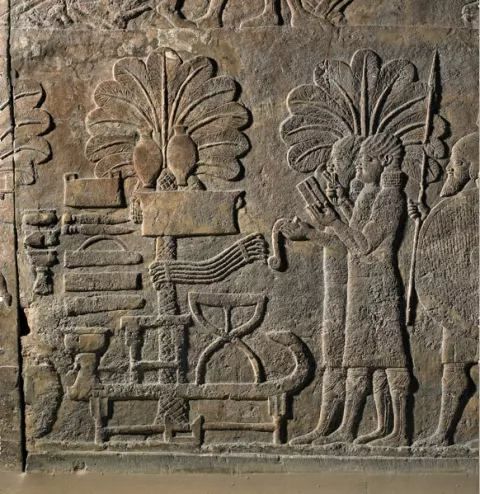
The three most lucrative areas of profit in antiquity were tax farming, public building contracts and provisioning of the palaces, temples and the army. The Egibi family managed to dominate all these fields.
Trade in daily products represented the mainstay of the family business and the Egibi held a prominent role in the contemporary world as intermediaries between producers and consumers.
The great quantities of commodities (such as wheat, barley, beer, onions, dates, salt, cooking wares and wool) were purchased on the local rural markets and using the river routes transported to the capital cities where they were sold to urban consumers, palaces and temples. The success of this endeavor primarily depended on good logistics system and on available capital. However, the trade in daily products provided a steady income and the Egibi were soon able to expend their capital to landholdings and agricultural management.
They leased vast tracts of land to tenants who paid the rent with part of their crops. In management of agricultural production they showed an enviable ingenuity. They encouraged their farmers to plant a more profitable crops, such as date palms, but since these plants required more time for growth, they sought little rents in the first few years while the crops grew. The profit they gained was worth of waiting. They also possessed factories and workshops for manufacture of goods as an additional business.
Since Mesopotamia lacked many natural resources like copper, tin, lapis, stone and hardwood, trade with neighboring as well as distant lands was established in order to provide the necessary commodities. The Egibi had an active role not only in internal, but also in external trade. It is known that Marduk travelled not only to other leading cities of Persian Empire, but as far as Medina to conduct business. The regular trading operations were established with Media and with Elam, where they sent ships laden with textile.
With the profits from trade and land the Egibi were able to enter the world of highly lucrative banking operations. From the preserved records it is obvious that they lent a great quantities of silver usually at the rate of 20 percent a year. However, they did not act as deposit bankers and they rather lent money as partners in various business projects.They were very successful in this enterprise and were regarded as the leading banking house in Babylon and Persia.
The world of government contracts gave them access to the greatest sources of wealth. The tax collection was one of the most lucrative offices in the history. The government usually farmed the right on collection of taxes to private contractors for a specific period of time in exchange for an advancement payment to the state. Thus, the tax farmers actually earned the profit from overpayment and through lending money to taxpayers to meet their financial obligations to the state. They were also in charge for collections of rents and tithes from the various temples such as that of Marduk at Egasil, Nergal, Ehursag, and Eigikalamma. Except for tax collection, the Egibi were also involved in building and maintenance of the public infrastructure such as state canals, bridges, and waterways.
In pursuit of profit and power, the Egibi did not hesitate to engage in lucrative slave trade and to provide the “companions”, probably prostitutes, to beer taverns. In fact, there was no form of economic activity in which the Egibi did not lay hands or hold a share.
Although the history of the House of Egibi belongs to the field of micro-history, at the same time it serves as a valuable source for studying of business enterprises and entrepreneurship development in the ancient Mesopotamia.
4 lives in this room
More lives in this room
- Iddin Marduk 550 BC
- Itti-Marduk-balatu 550 BC
- Nuptaya 550 BC
- Marduk-nasir-apli c. 521 BC-c. 487 BC